


Click to play video

Alessandro MorettiPh.D.Italy
Materials process development for ceramics and alloys, Surface chemistry and microstructure interpretation, Manufacturing repeatability and quality documentationPublished
May 19, 2026
Laser Cleaning for Powder Coating Operations
Laser cleaning supports powder coating operations by enabling targeted removal of cured powder from racks and fixtures, selective stripping of rejected parts, and preparation of aluminum or thin-gauge materials while reducing media waste and substrate risk.
Introduction
Powder coating operations depend on clean infrastructure and reliable part preparation to maintain consistent output. While abrasive blasting remains the dominant method for many tasks, it creates recurring challenges around media handling, dust control, and the treatment of racks, fixtures, and sensitive substrates that must remain in service over extended periods.
Context
Facilities commonly deal with coating buildup on racks and hooks, the need to rework rejected or mis-coated parts, and the preparation of aluminum or thin materials where abrasive processes carry a higher risk of distortion or surface alteration. These tasks often involve trade-offs between cleaning speed, media waste, and the risk of affecting downstream coating performance.
Observations
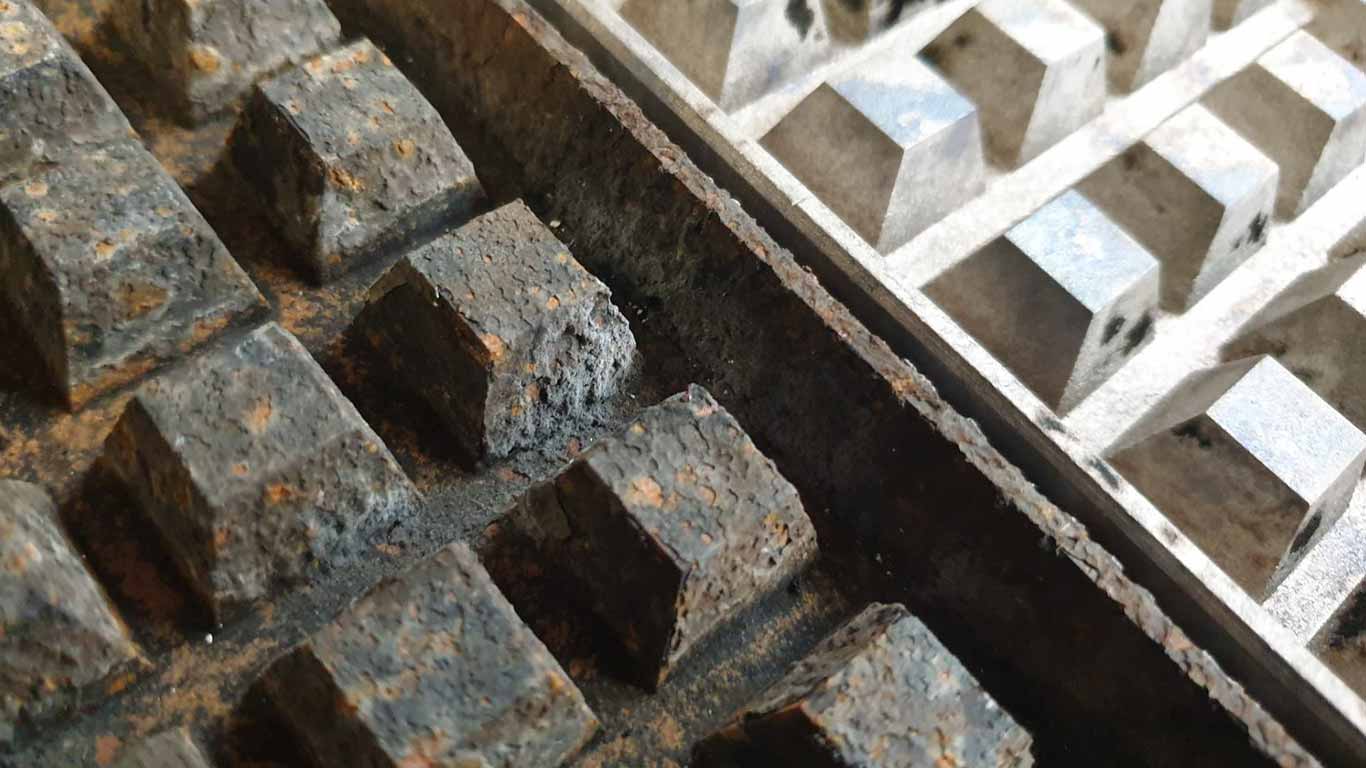
In practice, pulsed laser cleaning can remove cured powder from racks and fixtures without introducing abrasive media. This helps avoid the risk of embedded particles that could later dislodge during coating cycles. The process also enables selective stripping of rejected parts while limiting mechanical interaction with the substrate, which can support more controlled rework cycles.
Process Notes
Laser cleaning of powder coating infrastructure and parts is typically performed with controlled fluence to balance removal rate with substrate preservation. Parameter selection influences both cleaning efficiency and any residual surface changes that may affect subsequent powder adhesion on reworked components.
Limitations
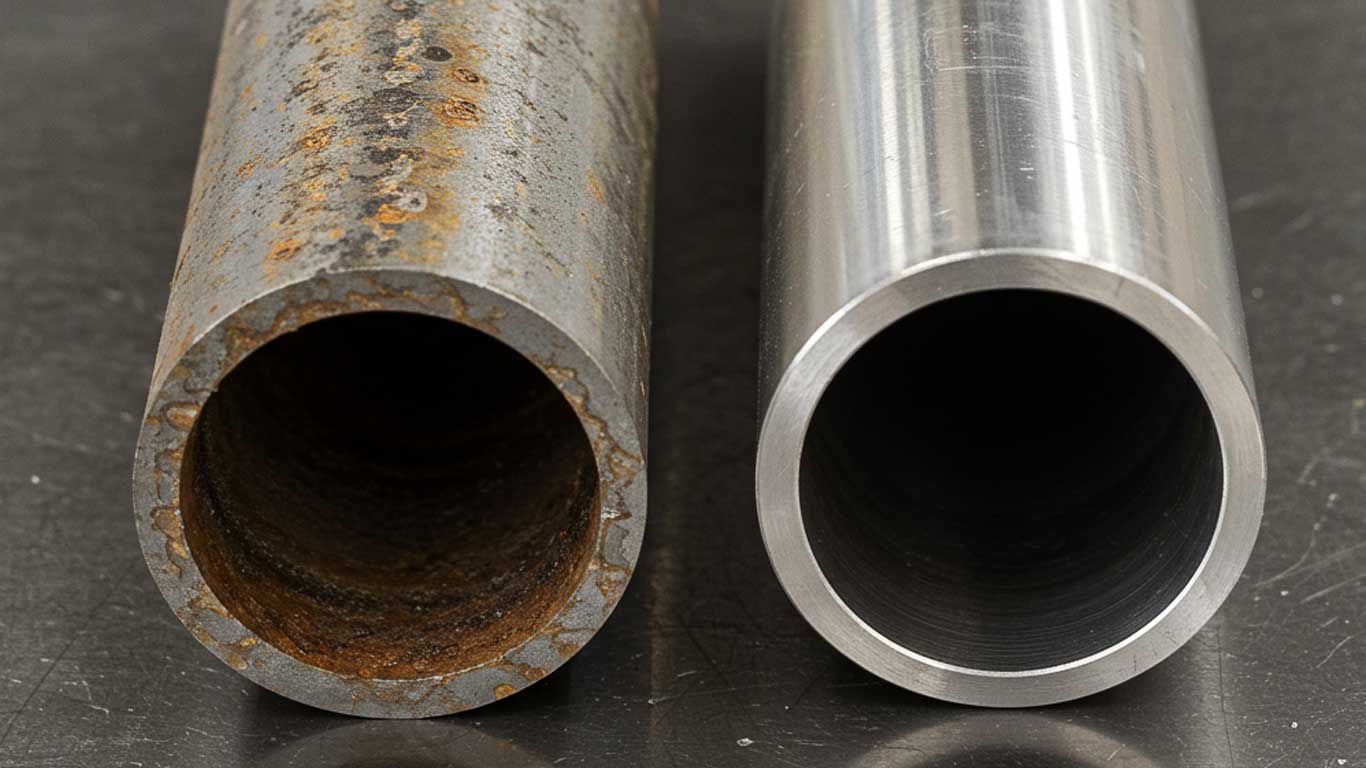
Laser cleaning is generally less efficient than abrasive methods when removing thick, heavily oxidized corrosion across large surface areas. In such cases, the processing time required often makes conventional preparation more practical for initial surface restoration.
Related Materials
Aluminum and steel components are frequently processed in powder coating environments and benefit from non-contact cleaning methods that reduce substrate risk during maintenance and rework.
Related Videos
Examples of laser cleaning applied to industrial infrastructure and coated components.


Frequently Asked Questions
Common questions about using laser cleaning in powder coating environments.
What settings are usually recommended for Powder Coating laser cleaning settings on Powder Coating?
Laser cleaning settings for powder coating removal are highly application-specific, depending on the substrate material (e.g., aluminum, steel), coating thickness, and desired surface finish. Optimal parameters, including pulse energy, frequency, and scan speed, require empirical validation. Universal recommendations are not feasible due to the variability in coating formulations and substrate sensitivities, necessitating on-site process optimization.
How is Powder Coating laser cleaning used on Powder Coating?
Laser cleaning removes cured powder coating from production racks, fixtures, and rejected parts through precise laser ablation. This method enables targeted stripping of defects without damaging the underlying substrate, such as steel or aluminum. Careful calibration of laser parameters is essential to prevent substrate alteration and ensure efficient material removal.
What does Powder Coating laser cleaning cost typically cost for Powder Coating?
The typical cost for powder coating laser cleaning varies significantly based on system acquisition, operational expenses, and application specifics. Capital expenditure for a laser cleaning system can range from tens of thousands to several hundred thousand dollars, influenced by laser power and automation. Operational costs include power consumption, maintenance, and labor, which are dependent on throughput and material type, such as aluminum or steel.
What should buyers compare when choosing Powder Coating laser cleaning service for Powder Coating?
Buyers should compare the service provider's laser system specifications, process control capabilities, and material compatibility. Key considerations include laser wavelength, pulse duration, and power output relative to the powder coating type and substrate (e.g., aluminum, steel). Evaluate their ability to prevent substrate damage or thermal distortion, especially for thin-gauge materials.