

Video


Laser lead paint removal in the Bay Area removes old lead-based coatings from painted wood, stucco, and masonry surfaces using a pulsed fiber beam instead of chemical strippers or dry sanding. The process targets paint coatings layer by layer on historic masonry and older wood trim without grinding into the substrate, so redwood siding and brick veneer keep their original profile. It does not replace certified lead-abatement containment, air monitoring, or waste disposal rules that a licensed contractor still manages on site. The beam also does not clear thick intact coatings in a single pass; multiple lower-fluence passes control dust compared with abrasive blasting. Property owners choose this approach for selective work on ornamental trim, fireplace mantels, or window casings where sanding would gouge the wood grain.
| Final results | The laser pass removes leaded paint from wood, stucco, and masonry, and the work area still has to pass a cleaning check afterward. |
| Speed and ease | The laser pass clears that leaded paint without the 12 to 24 hour stripper dwell or the hazardous sludge it turns the paint into. |
| Contaminants | The soil is old leaded paint on wood, stucco, and masonry. |
| Methods | Dry machine sanding makes it airborne unless the tool has HEPA capture. |
| Challenges | A chemical stripper turns the paint into a hazardous sludge that still has to be picked up and bagged. |
This method removes paint layer by layer, but the sequence around it matters as much as the beam itself: testing for lead first, sealing the work area, then running light passes that strip the top coat without gouging the substrate underneath. Skipping the setup steps turns a clean ablation job into a lead-dust cleanup problem, so treat containment and pass control as part of removal, not an afterthought.
Federal, state, and regional law governs lead paint laser removal in the Bay Area, layering job-site exposure rules on top of regional air-quality and laser-safety requirements. Cal/OSHA's construction lead standard and its federal OSHA counterpart set the baseline for worker exposure controls on any lead-coated surface, while BAAQMD's regional rule adds Bay Area-specific air-quality obligations for lead emissions during removal work. The EPA's Renovation, Repair and Painting program governs work on pre-1978 buildings that disturb lead-based paint, and ANSI's laser-safety standard applies to the cleaning equipment itself regardless of the substrate being cleaned. None of these agencies publishes a laser-specific lead exposure limit, so contractors default to the general lead and air-quality thresholds each already sets for other removal methods.[2][3][4][5][6][7]
8 CCR §1532.1 sets exposure-control requirements for lead work on California construction sites, covering laser removal of lead-based paint the same as abrasive or chemical methods.[1]

29 CFR 1926.62 is the federal construction lead standard that Cal/OSHA's rule builds on, covering exposure monitoring and respiratory protection for lead paint removal work.[2]

Regulation 11, Rule 1 adds regional air-quality controls on lead emissions for removal projects across the Bay Area, on top of the federal and state worker-safety rules above.[3]

The Lead Renovation, Repair and Painting program has governed work that disturbs lead-based paint in pre-1978 buildings since 2010, requiring certified methods and containment regardless of the removal technique used.[4]

The 2022 edition of Z136.1 sets the laser-safety requirements that apply to the cleaning equipment itself, separate from the lead-specific exposure and air-quality rules covering the paint being removed.[5]
Laser lead paint removal fails when the coating history, building geometry, or containment plan on a Bay Area jobsite exceeds what one calibrated pass can handle. Victorian and Edwardian facades across San Francisco and Oakland often carry paint stacks that include coats applied before residential lead paint was banned, so pigment can sit several layers below the surface the beam first exposes. Turned millwork and recessed trim put much of that surface at an angle the beam cannot strike directly, leaving shadowed pockets that a flat visual check misses. On landmark-designated buildings the margin for error shrinks further, because a scorched sill or discolored clapboard cannot be sanded flat without running back through the same preservation review that approved the laser method in the first place.[1][2][3]
| Condition | Consequence |
|---|---|
| Landmark-designated buildings under SF Article 10 or the California Historical Building Code hold the original wood siding and trim to a preservation standard, not just a paint-free one.[1],[2],[3] | Excess fluence chars or discolors the wood beneath the paint, and that damage cannot be sanded away without running back through the same preservation review that approved the laser method. |
| Ablated lead paint releases fine particulate that has to stay on the property line under BAAQMD Regulation 6, especially on close-set Bay Area lots where neighboring homes sit close by.[1],[2],[3] | Without local HEPA capture at the nozzle, drifting particulate can trigger a containment failure and halt the job mid-elevation. |
| Many Bay Area Victorians and Edwardians carry several stacked paint coats, with lead-based layers buried under coats applied after residential lead paint was banned.[1],[2],[3] | A single calibrated pass removes the top coat but leaves lead pigment trapped in the layers below, so the wood reads bare while a lead-dust clearance test still fails. |
| Turned porch balusters, dentil trim, and other ornate millwork common on heritage facades put much of the surface at an angle the beam cannot strike straight on.[1],[2],[3] | Paint survives in the shadowed grooves and undercuts after the flat faces already read clean, so a quick visual sweep misses isolated lead-paint pockets. |
Laser lead paint removal in the Bay Area requires weighing machine time against the containment and disposal costs that abrasive blasting and chemical stripping carry as lead-hazardous waste. Grit blasting and chemical strippers often cost less per hour but leave more contaminated media to bag, transport, and dispose of, while the laser method concentrates cost in equipment time rather than cleanup and disposal labor.[1][2][3][4][5][6][7][8][9][10][11][12][13][14][15][16][17][18]
| Method | Cost per 100 sq ft | Hourly Rate | Consumables/hr | Setup Cost | Cleaning rate | Surface damage |
|---|---|---|---|---|---|---|
| Sandblasting / Abrasive Blast | 425 USD | 145 USD/hr[7] | 55 USD/hr[3] | 200 USD[8],[9] | 150 sq ft/hr[2],[3],[4] | High: Abrasive action creates measurable surface profile (1.5–4 mils anchor pattern on steel). Causes pitting, warping, or erosion on softer or delicate materials.[1] |
| Soda Blasting | 329 USD | 155 USD/hr | 90 USD/hr | 175 USD | 200 sq ft/hr | Low to moderate: Softer than sand or grit at Mohs 2.5. Does not create significant surface profile on steel. Can etch soft metals (aluminum, copper) or sensitize wood grain. |
| Dry Ice Blasting | 750 USD | 350 USD/hr[7],[11] | 150 USD/hr[11],[12],[13] | 550 USD | 200 sq ft/hr[10] | Low to minimal: Non-abrasive thermal shock mechanism; dry ice sublimates on impact with no surface profile or residue. Some thermal stress risk on heat-sensitive substrates. |
| Dustless Blasting | 641 USD | 375 USD/hr | 80 USD/hr | 250 USD[8] | 130 sq ft/hr | Moderate: Water suppression reduces abrasion heat and dust, but abrasive media still creates surface profile.[1] |
| Laser Cleaning | 500 USD | 400 USD/hr[16],[18] | 0 USD/hr | 0 USD | 80 sq ft/hr[15],[16] | Minimal to none: Non-contact ablation vaporizes contaminants without abrading or mechanically stressing the substrate. Parameter-controlled at 300W (Netalux Kamino class).[14] |
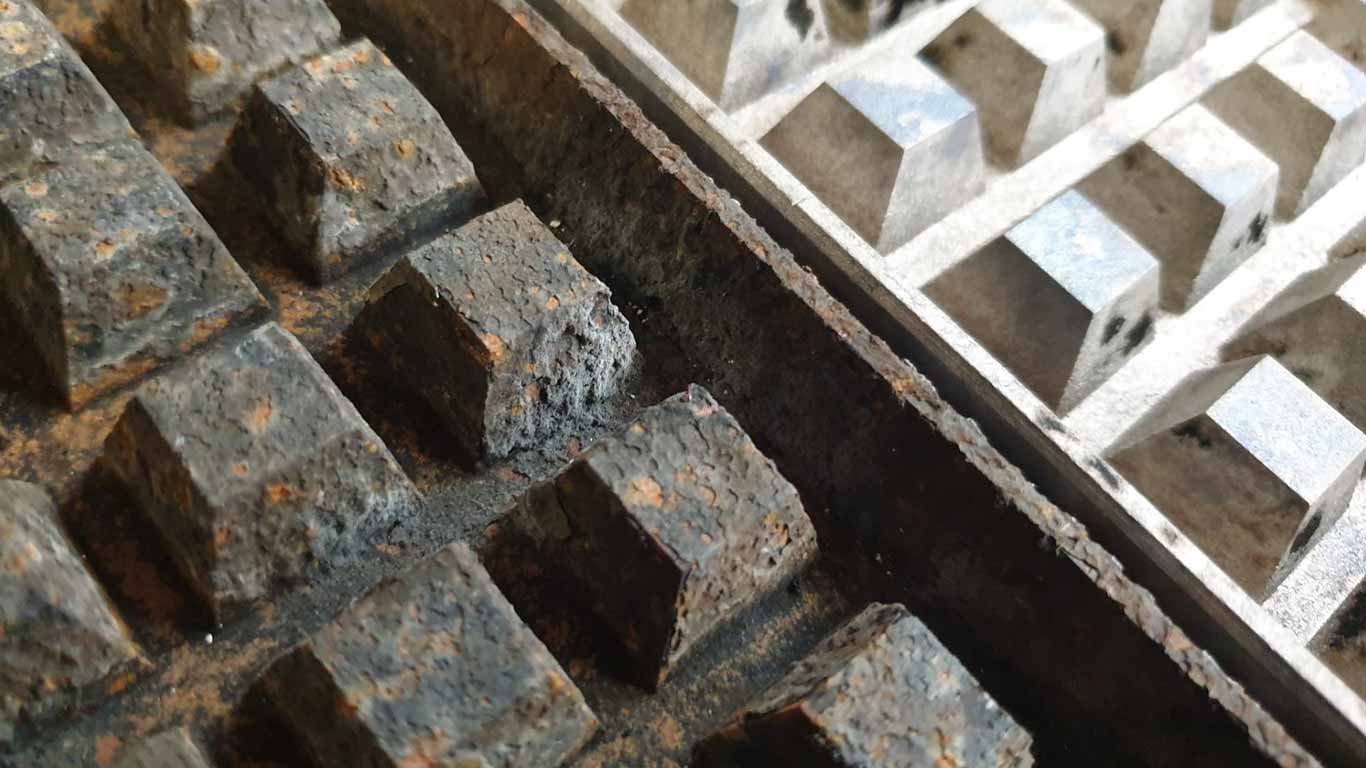
Laser cleaning removes rust, mill scale, and weld discoloration from steel without media, holding fluence near a 1.5 J/cm² cleaning floor and stopping short of the 4.5 J/cm² mark that scars bare metal. Intact mill scale still needs mechanical pre-treatment under AMPP SP21511-1 first. Compare with [stainless steel](/materials/stainless-steel-laser-cleaning) or [cast iron](/materials/cast-iron-laser-cleaning) laser cleaning when the substrate is mixed, and see [weld prep](/applications/weld-prep-laser-cleaning-applications) for the fabrication step this feeds.
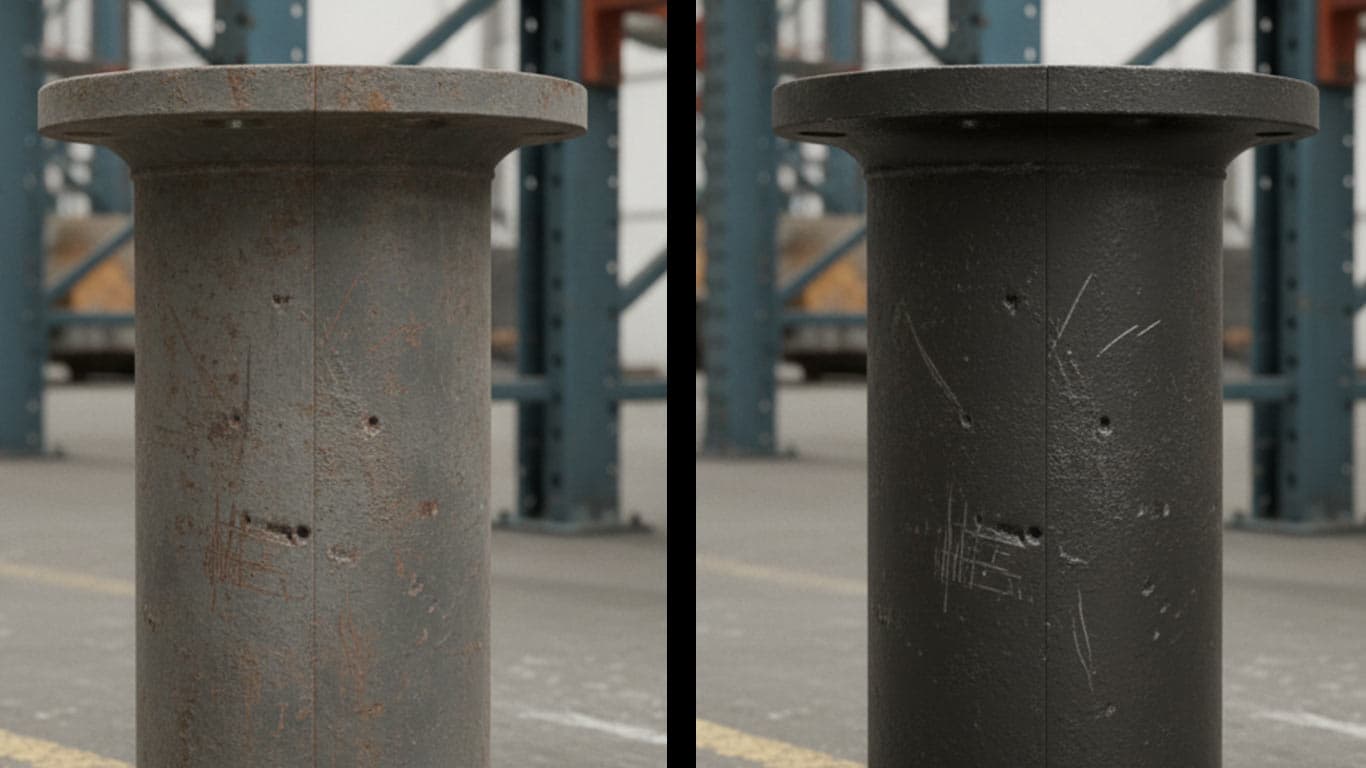
Gray and ductile cast iron keep graphite in the matrix. That graphite is supposed to stay there. Rust and foundry scale can come off with a dry laser pass when a copied steel setting is not used on a thin section or a porous face. Overheated porosity rusts faster once the job is done. Grade, a trial piece, and dust capture come before production on columns, brake parts, and fittings. Scrap of the same casting sets working energy because the usable range is tighter than on most other ferrous stock.
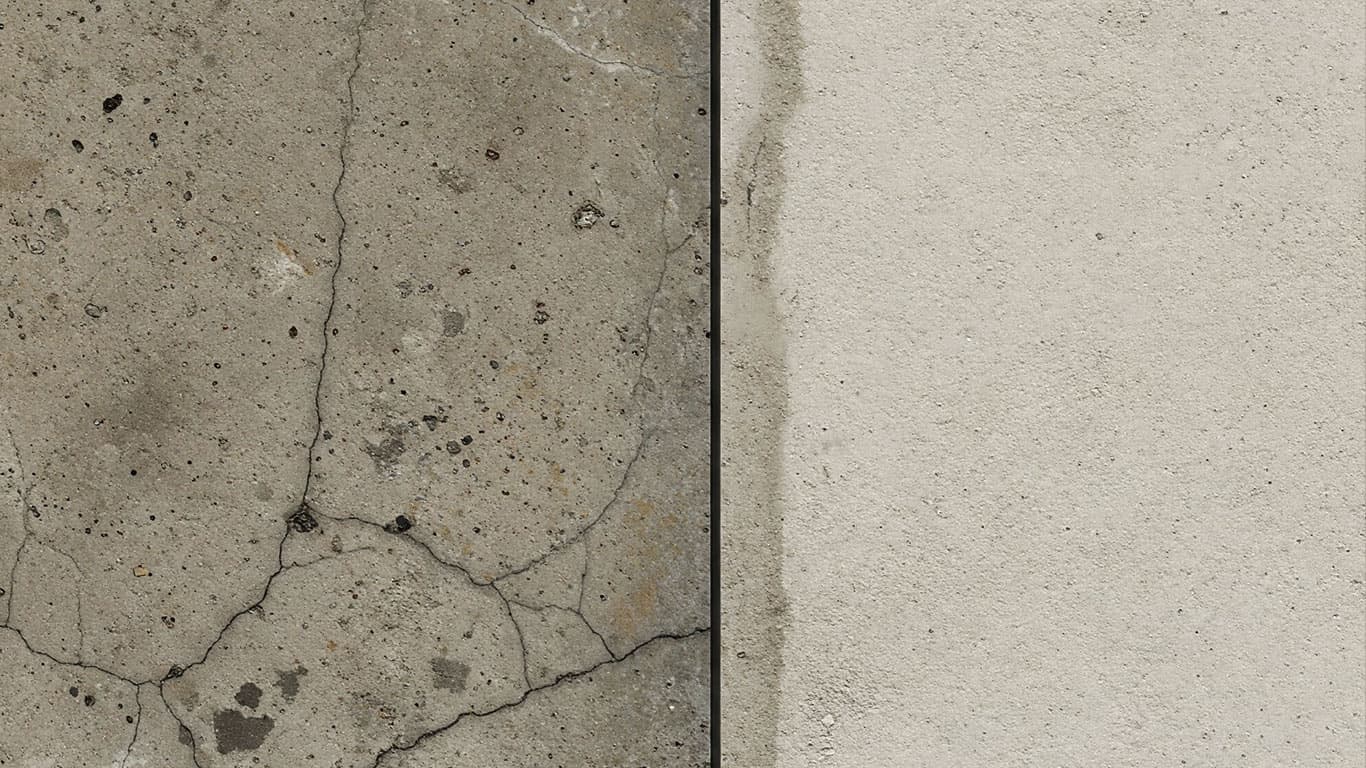
Laser cleaning removes surface soiling, paint, and biological growth from concrete without water, media blast, or chemical strippers, so rebar cover and nearby finishes stay undamaged. It cannot repair spalling, close cracks, or rebuild lost aggregate, because concrete is a placed composite of aggregate and cured paste rather than the [cement laser cleaning](/materials/cement-laser-cleaning) binder alone. Choosing the laser over abrasive methods matters most when the surface profile and structural cover must remain intact.
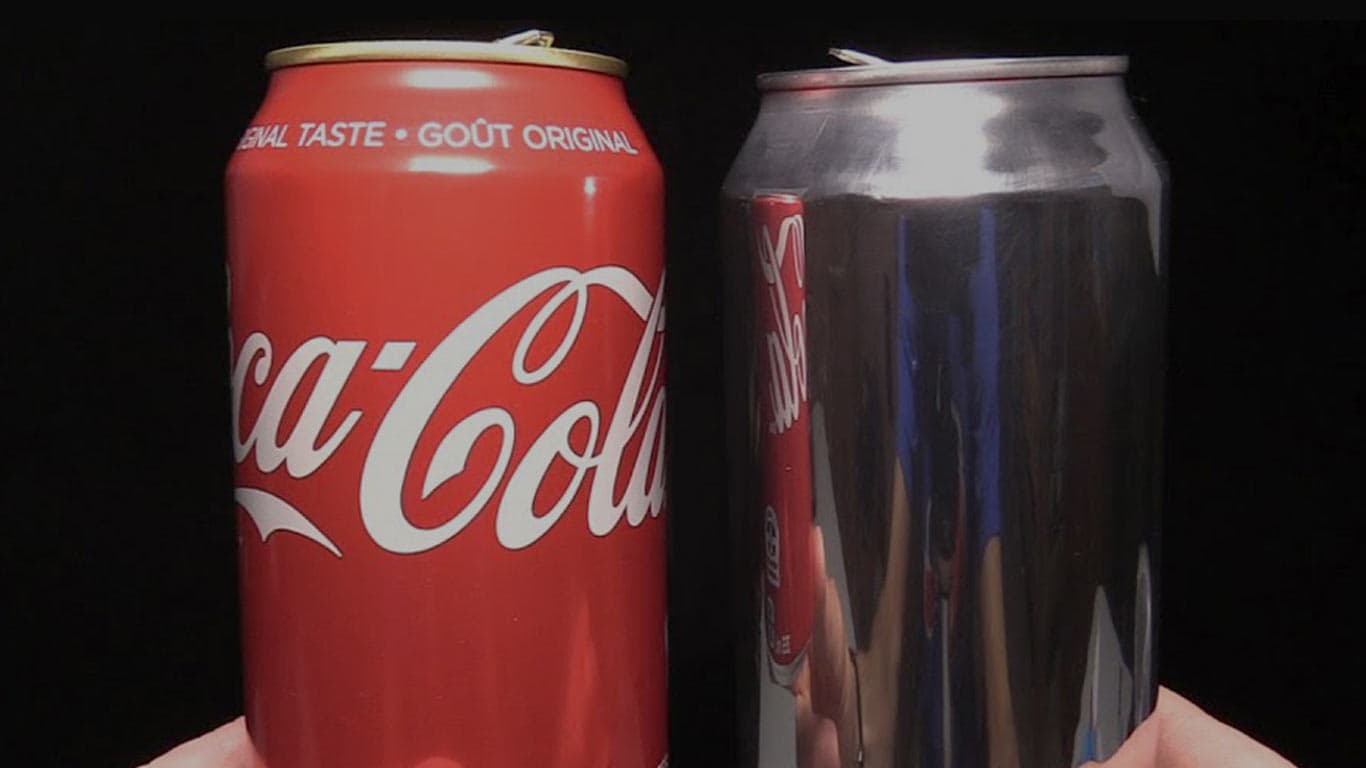
Laser paint removal in the Bay Area is a technician on the job. The day rate is $800/day on [services](/services). A Bay Area body shop stripping failed epoxy or polyurethane before recoat runs into a VOC cap near 50 grams per liter on solvent surface prep and spray-line cleanup, and older methylene-chloride paint strippers are barred from sale to industrial users after state toxics regulators listed the chemical as a priority product. A pulsed near-infrared laser removes the coating layer through thermal stress rather than solvent action, so shops can strip [aluminum](/materials/aluminum-laser-cleaning) panels and [steel](/materials/steel-laser-cleaning) frames without touching that VOC limit or generating stripped-paint waste. The exception is thick marine-grade epoxy built up over several coats, where repeated passes near rivets and seams can discolor the substrate unless the operator drops pulse energy and adds a cooling pause between rows. Shops already running [rust](/applications/laser-rust-removal-bay-area) or [lead paint](/applications/lead-paint-laser-removal-bay-area) removal on the same line can cover all three [paint coating](/contaminants/paint-coatings-laser-cleaning#substrateMatrix) jobs from one machine instead of separate chemical-stripping stations.
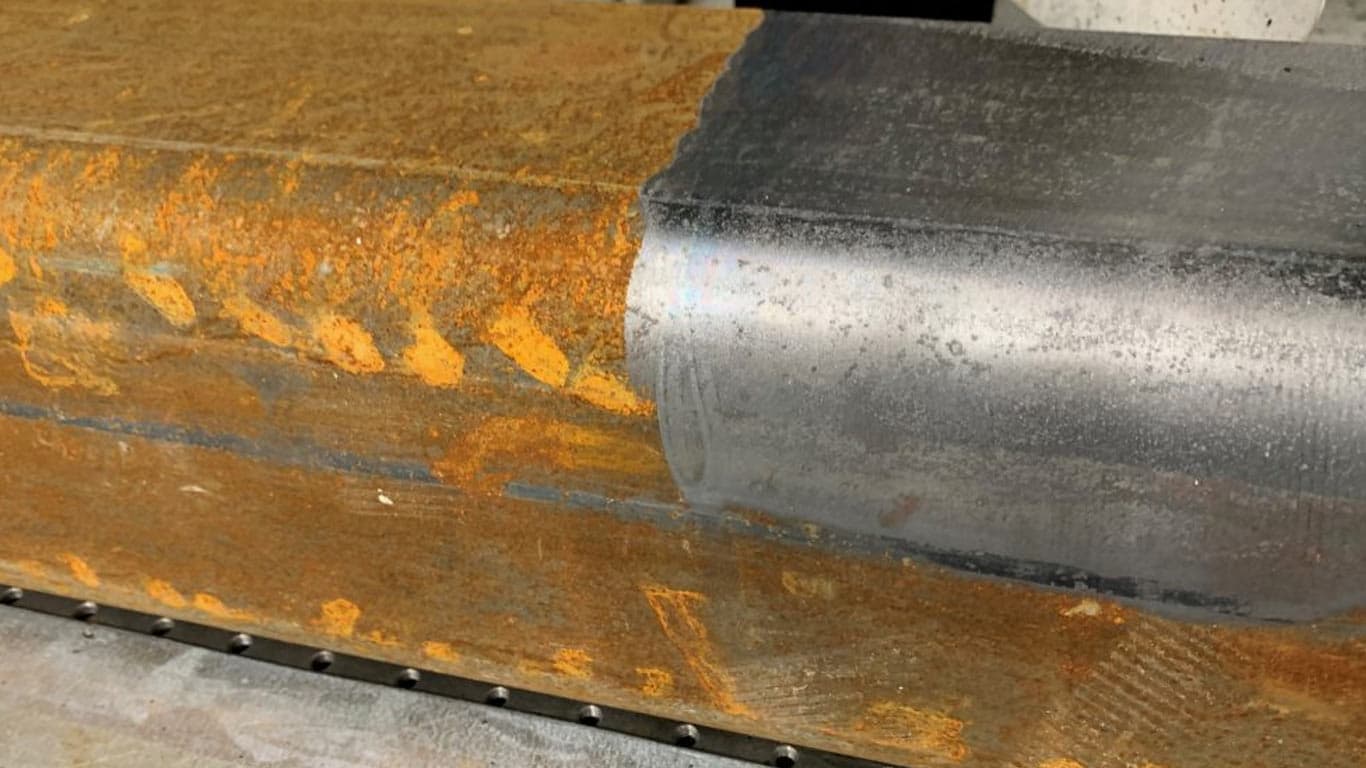
Laser rust removal in the Bay Area is a technician on the job. The day rate is $800/day on [services](/services). Laser cleaning removes field [rust](/contaminants/iron-oxide-rust-laser-cleaning) from sound [steel](/materials/steel-laser-cleaning) on Bay Area yards, docks, and marine sites when the oxide sits on intact metal. It does not productively clear intact mill scale, which still needs mechanical abrasion. Deep pits are missing metal, not a film a beam can restore. Oxide hidden under lagging needs access before cleaning can reach it. Coating specifications that call for a blast profile still require blasting after oxide removal. When old coatings sit under the oxide, [paint removal](/applications/laser-paint-coating-removal-bay-area) is a different pass. In marine air, lockout, dust capture, and same-shift priming matter because bare steel reoxidizes fast near the bay.
Landmark facade work requires a hidden test patch before pulsed laser cleaning touches any visible elevation. The pass removes soot, pollution crust, and graffiti from [brick](/materials/brick-laser-cleaning) and [limestone](/materials/limestone-laser-cleaning) without the abrasive contact that rounds tooling marks, and it suits [historic masonry](/applications/historic-masonry-restoration-laser-cleaning) jobs that have to stay the gentlest means that still meets the cleaning goal. It will not replace repointing, structural repair, or treatment for deep-rooted growth, and it will not strip [lead paint](/applications/lead-paint-laser-removal-bay-area) from ornamental iron in one pass without a separate low-energy setting and a capture plan. Wet, crumbling, or gilded surfaces stay off the schedule until a conservator says the fabric can take the work.
Does **dustless blasting** cut the airborne silica a dry abrasive job throws into the air only by adding water that still leaves **flash rust** on bare steel and a **runoff** stream that has to go somewhere? Laser cleaning removes the same rust and coating from steel and stainless steel hulls and brackets without introducing water or consuming abrasive media, and it holds dimension on aluminum fittings where a wet nozzle would still cut into the base metal. Yards that need a fresh anchor profile before paint keep the wet abrasive step, since that mechanical roughening is still the point of the pass.
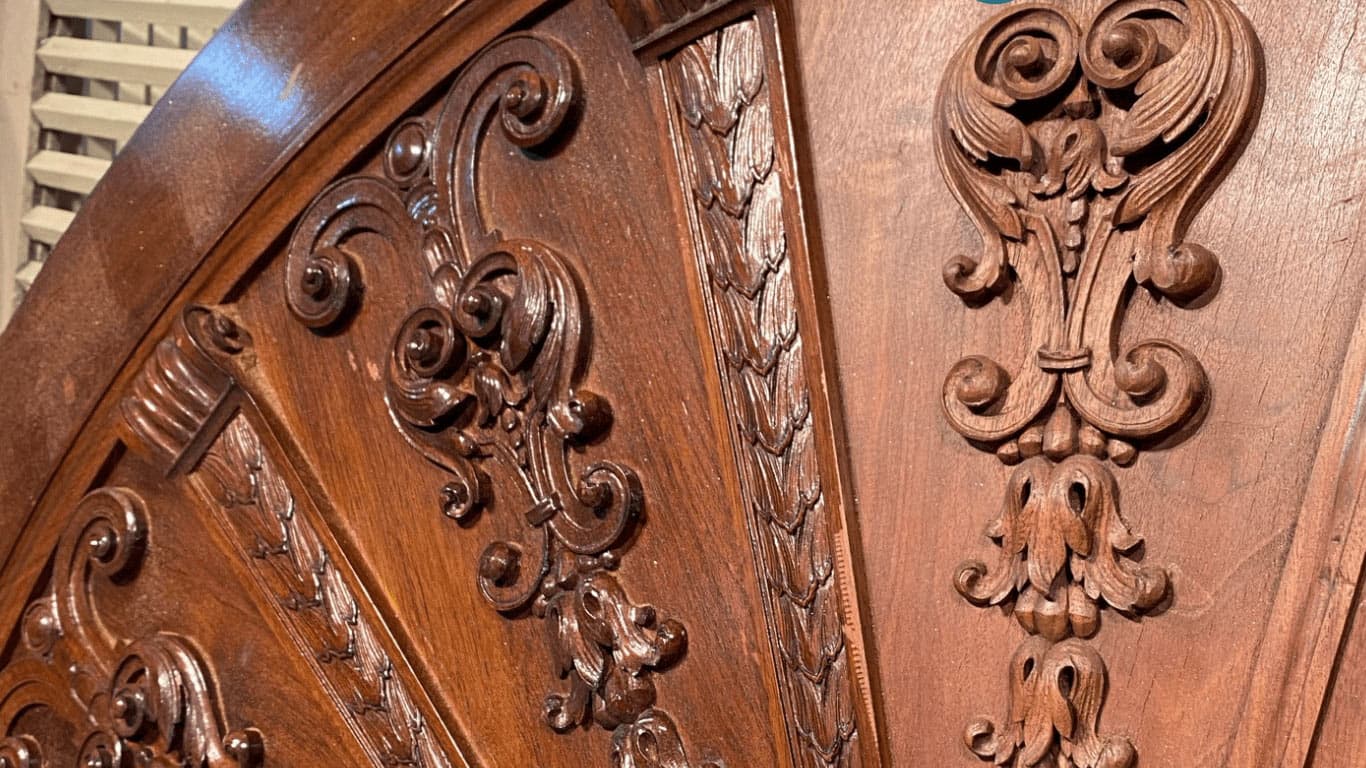
Chemical stripping still reaches into recessed carving and tight assembly gaps that a line-of-sight laser beam cannot trace, pulling a coating off [redwood](/materials/redwood-laser-cleaning) millwork, [steel](/materials/steel-laser-cleaning) panels, and [fiberglass](/materials/fiberglass-laser-cleaning) hulls alike. The methylene chloride formulas that once dominated that chemical stripping tank carry a toxicity profile serious enough that EPA and California regulators restricted the consumer paint strippers built on it, and the spent solvent leaves a shop with hazardous waste to document and dispose of correctly. Laser cleaning clears the same finish from those three substrates without a liquid waste stream, and it holds up on resin and open grain where a solvent could soften or stain the material underneath. Deep carved redwood detail a beam cannot trace still keeps the chemical step in the job.
A Bay Area lead paint job answers to federal, state, and regional rules at the same time, not just one of them. The federal RRP rule has governed renovation, repair, and painting work since 2010. Cal/OSHA Title 8 adds its own construction lead-exposure duties once the coating is disturbed, on top of that federal baseline. The regional air district layers a separate emissions limit for lead on removal work across the district.
A laser job still needs HEPA-filtered extraction on site, since vaporizing the paint does not remove the lead, it only changes the paint from a solid to an airborne form. HEPA-filtered extraction keeps that lead-bearing vapor and condensate from drifting onto nearby surfaces or into the air someone is breathing.
BAAQMD Regulation 11, Rule 1 sets a lead-emissions ceiling across the district, and a laser paint job falls under that same rule whenever it disturbs lead-based coating. The rule holds one regional limit in place no matter which removal method is used, laser or abrasive.
The EPA Lead RRP rule requires a certified renovator on any job that disturbs lead-based paint, and swapping a sander or blast gun for a laser does not remove that requirement. The rule has governed that certification since 2010, so a laser-equipped contractor still needs the same credential as anyone else doing renovation work. Workers on that job may also fall under blood lead level monitoring once exposure crosses the trigger set by Cal/OSHA's medical.
A single pass turns most of the coating into vapor and fine particulate instead of curls or chips, and the extraction system draws that particulate into a sealed collection unit rather than letting it settle on the work surface. Whatever does settle as dust still counts as lead waste under the same rules that apply to sanding dust from the same kind of job, so it gets the same containment and disposal handling, not a.