


OSHA
View official documentation (opens in new tab)Table Z-1 sets an eight-hour time-weighted average of 10 mg/m³ for iron oxide fume, so ferrous laser cleaning still needs source capture while rust comes off inside the enclosure.[1]
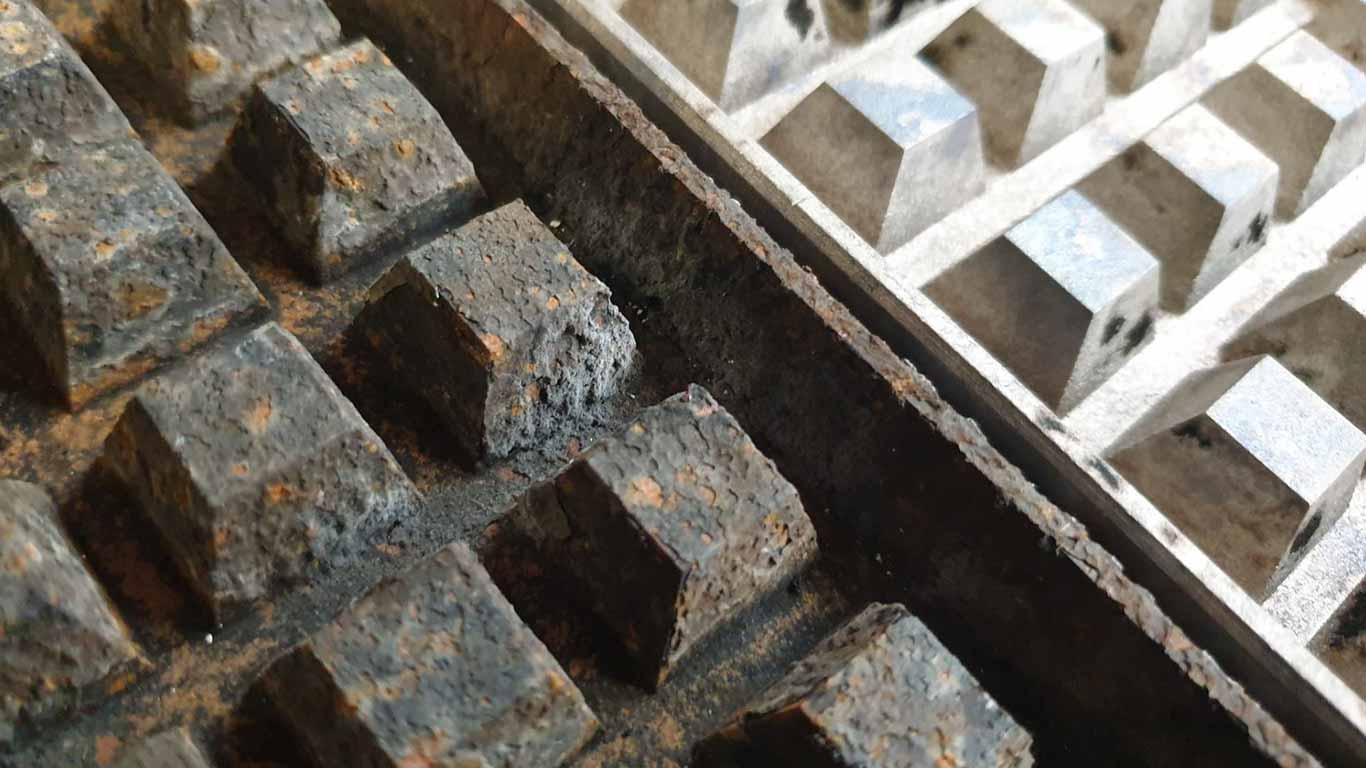

Laser cleaning removes rust, mill scale, and weld discoloration from steel without media, holding fluence near a 1.5 J/cm² cleaning floor and stopping short of the 4.5 J/cm² mark that scars bare metal. Intact mill scale still needs mechanical pre-treatment under AMPP SP21511-1 first. Compare with stainless steel or cast iron laser cleaning when the substrate is mixed, and see weld prep for the fabrication step this feeds.
| Final results | Iron oxide rust, mill scale, oil and grease, paint, and oxide scale come off the steel, and the plate stays full thickness. |
| Speed and ease | The duration isn't known, but the laser clears the rust and scale without the sandblasting media, booth, and cabinet cleanup that legacy choice still carries. |
| Contaminants | Rust, mill scale, grease and oil, paint, and oxide scale. |
| Methods | On iron and steel, blast and grinding take the rust by taking metal with it, and they leave grit in the face. |
| Challenges | On thick mill scale, sandblasting is brute force against scale that resists a precision method at scale. High-intensity blasting can erode the underlying metal along with the rust or scale. |
Red rust on steel comes off at 0.1-0.5 J/cm2. Mill scale on that same metal is 1-3 J/cm2. Zinc is 1-4 J/cm2 and is not that rust coupon. Copying rust fluence leaves mill scale; mill-scale fluence on light rust marks the metal.[1][2][3][4][5]
| Film | Ablation | Hurts metal at |
|---|---|---|
| Fe₂O₃ (surface rust, red rust) | 0.1-0.5 J/cm2 | 8-15 J/cm2 |
| Fe₃O₄ (mill scale, magnetite) | 1-3 J/cm2 | 8-15 J/cm2 |
| Zinc galvanizing (hot-dip or electroplated) | 1-4 J/cm2 | 8-15 J/cm2 |
Federal OSHA Table Z-1 governs iron oxide fume exposure at 10 mg/m³ as an eight-hour time-weighted average, and California Title 8 §5155 layers a state-specific airborne-contaminant limit on top of that federal floor for dry carbon-steel work done in California facilities. That same outdoor steel work still answers to BAAQMD Regulation 6, which caps visible emissions at Ringelmann No. 1 for no more than three minutes an hour even when no paint or solvent is present. AMPP SP21511-1:2024 is the one standard written specifically for pulsed-laser ablation on ferrous substrates, and its hard limit is that the method does not productively remove intact mill scale, so that layer still needs mechanical preparation before a laser pass can finish the job.[3]
Table Z-1 sets an eight-hour time-weighted average of 10 mg/m³ for iron oxide fume, so ferrous laser cleaning still needs source capture while rust comes off inside the enclosure.[1]

Title 8 §5155 airborne-contaminant tables still bind operations in California when steel laser cleaning raises metal dust and fume inside the work envelope.[2]

Regulation 6 caps visible emissions at Ringelmann No. 1 for no more than three minutes an hour, so outdoor steel cleaning in the Bay Area still needs particulate capture on site.[3]
SP21511-1-2024 covers pulsed laser ablation on ferrous substrates only and treats tightly adherent mill scale as a mechanical-preparation job before laser work can finish productively.[4]
Steel work requires a grade call before the first pulse because mild plate, rebar, and flange stock share the same 1.42–4.26 J/cm²[1] rust band but not the same coating stack. Confirming that grade up front keeps the whole run below the 5.68 J/cm² injury floor instead of chasing marks after the fact.
Carbon steel's rust layer keeps most of the 1064 nm beam's energy at the surface, well ahead of the bare metal underneath, because oxide absorbs far more near-infrared light than polished steel does. Coupon testing on 20-grade carbon steel reports full rust removal near 4.26 J/cm², while substrate marking and fresh oxide formation begin above 5.7 J/cm² (Deschênes & Fraser A3 steel rust removal). That roughly 1.4 J/cm² margin is why a first pass should run at the low end, with an inspection stop before any climb toward the 5.7 J/cm² injury floor.
Steel cleaning fails when a grade check gets skipped or when iron oxide capture is missing from the line, because both gaps surface only after the job is already running (AMPP SP21511-1:2024) (Journal of Modern Optics, paint removal on steel (2017)). A face can also look clean and still carry a chemistry change underneath when the wrong settings run on laminated mill scale.
| Condition | Consequence |
|---|---|
| Grade or coating class skipped before production[1] | The wrong energy map runs, or rust removal stops short on carbon steel |
| Tightly adherent mill scale treated as loose field rust[1] | Passes get wasted on hot-rolled plate without full removal |
| No local exhaust running for iron oxide dust and fume[1] | Exposure climbs above the Table Z-1 framing during the job |
Carbon steel runs 480 MPa tensile strength and 7,850 kg/m³ density, with 42% absorption at 1064 nm setting how fast the surface picks up each pulse (MatWeb material property data). Thermal conductivity near 50 W/m·K spreads that heat away fast enough that one bright pass rarely overheats the plate underneath.
| Parameter | Value |
|---|---|
| Canonical substrate | Carbon steel |
| Tensile strength | 480 MPa |
| Density | 7,850 kg/m³ |
| Thermal conductivity | 50 W/m·K |
| Absorptivity at 1064 nm | 42% |
| Typical wavelength | 1064 nm, pulsed |
| Pulsed fleet in-window | 52 of 52 |
Carbon steel keeps a wider safe band than cast iron because rust can leave the surface near 1.5 J/cm² while coupon work still reserves room up to about 4.5 J/cm² before marking shows up. The adjudicated entity corpus lists a broader coupon injury range from 5.7 to 15 J/cm² for carbon steel, but production here should stay under the tighter 4.5 J/cm² ceiling until inspection confirms the face is clean, not climb toward that wider coupon number (Wavelength dependence of picosecond-pulsed laser ablation of hot-dip galvanized steel). That extra headroom near 3.0 J/cm² between the cleaning floor and the coupon ceiling is also why carbon steel tolerates more setting drift than cast iron's tighter 0.7 J/cm² gap. 52 of 52 pulsed machines in-window. Parity basis: datasheet max pulse energy (mJ) only · pulsed · ~1064 nm · shared contaminant thresholds · modeled spot (not a certified cross-OEM test).
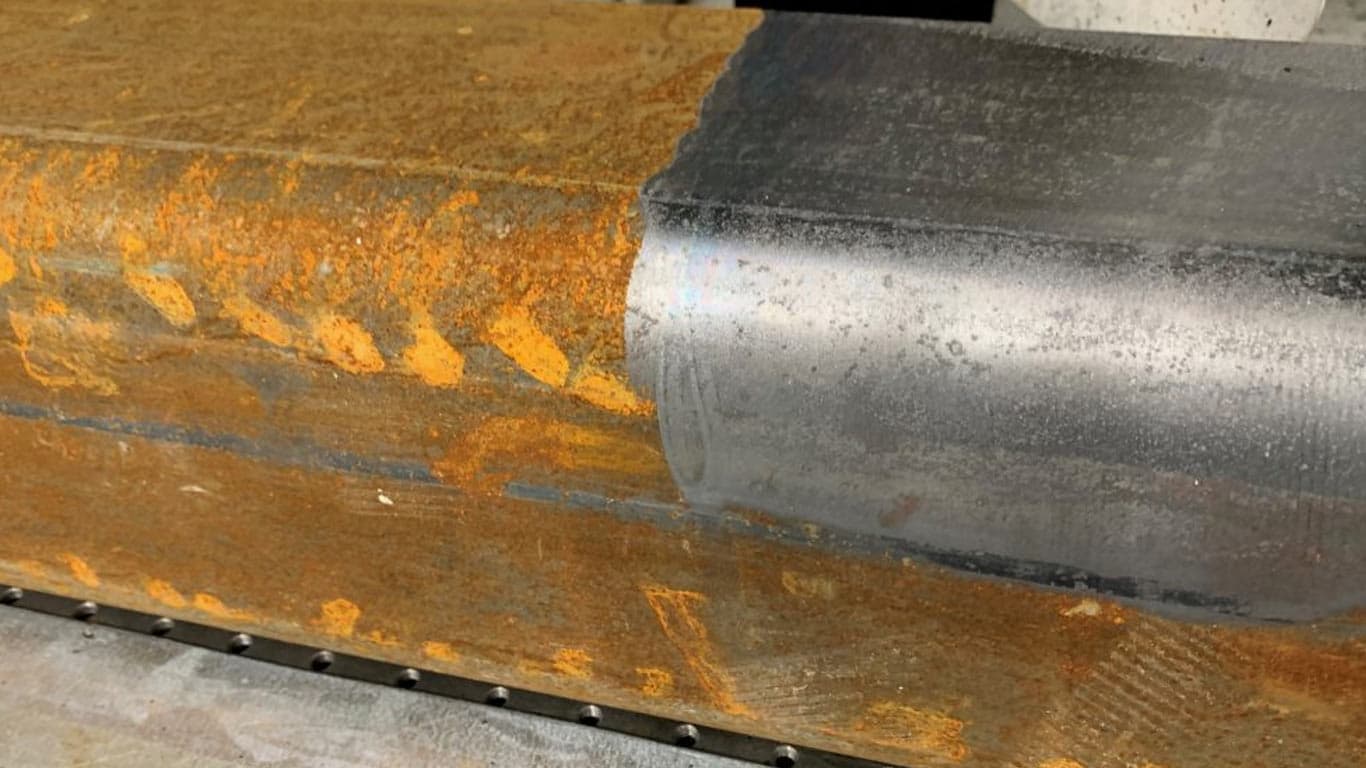
Laser cleaning removes field [rust](/contaminants/iron-oxide-rust-laser-cleaning) from sound [steel](/materials/steel-laser-cleaning) on Bay Area yards, docks, and marine sites when the oxide sits on intact metal. It does not productively clear intact mill scale, which still needs mechanical abrasion. Deep pits are missing metal, not a film a beam can restore. Oxide hidden under lagging needs access before cleaning can reach it. Coating specifications that call for a blast profile still require blasting after oxide removal. When old coatings sit under the oxide, [paint removal](/applications/laser-paint-coating-removal-bay-area) is a different pass. In marine air, lockout, dust capture, and same-shift priming matter because bare steel reoxidizes fast near the bay.
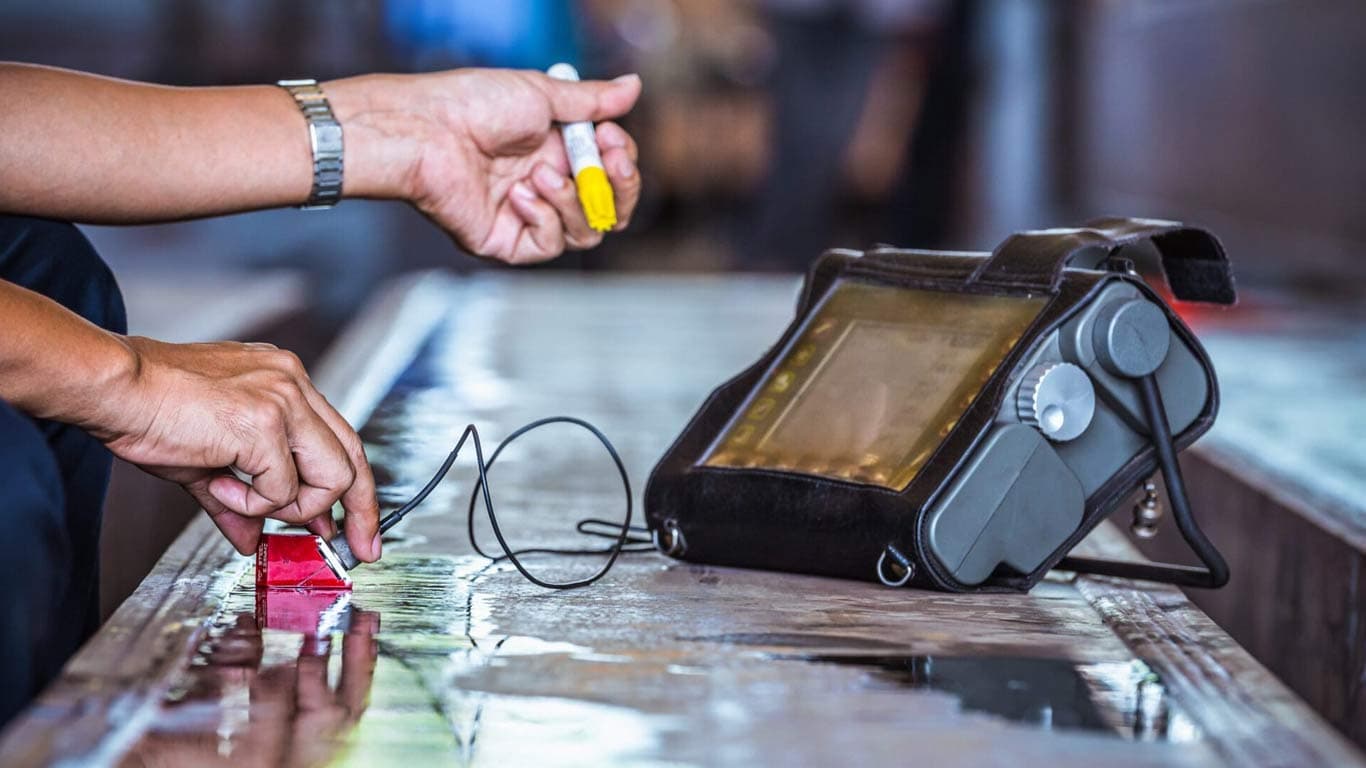
Weld preparation laser cleaning removes rust, mill scale, oil, and drawing compound from a joint face right before the arc or beam strikes, so the fitter is not grinding or wire-brushing the same edge on a tight schedule. The laser step targets a thin surface layer only and leaves the base metal dimensions alone, which fits both carbon [steel](/materials/steel-laser-cleaning) and [stainless steel](/materials/stainless-steel-laser-cleaning) joints across [metal fabrication](/applications/metal-fabrication-laser-cleaning-applications) shops. It clears [iron oxide rust](/contaminants/iron-oxide-rust-laser-cleaning) and light mill scale from an edge in a pass or two, but it will not strip heavy, multi-layer scale in one shot, and it is not a substitute for the post-weld passivation steps covered on the [stainless steel weld passivation](/applications/stainless-steel-weld-passivation-laser-cleaning) page. A cleaned joint face still needs a qualified welder to check fit-up, gap, and preheat against the governing welding code; the laser only preps the surface, it does not certify the weld.
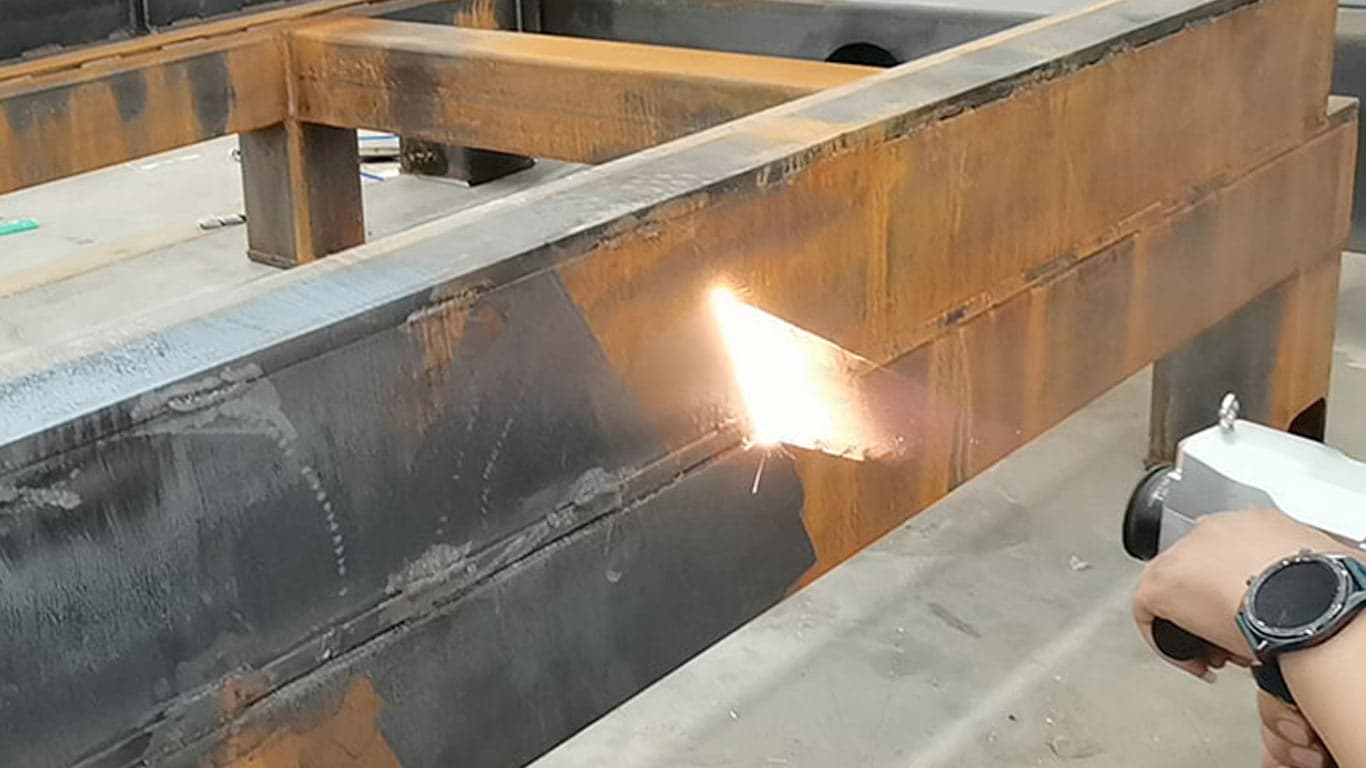
Laser cleaning removes mill scale, oxide layers, and weld residue from fabricated metal parts without abrasive media or chemical strippers. Shops handling [steel](/materials/steel-laser-cleaning), [aluminum](/materials/aluminum-laser-cleaning), and [stainless steel](/materials/stainless-steel-laser-cleaning) stock use the process ahead of [weld prep](/applications/weld-prep-laser-cleaning-applications) to strip [mill scale](/contaminants/mill-scale-magnetite-laser-cleaning) and [oxide scale](/contaminants/oxide-scale-laser-cleaning) before joints go together. The method suits selective cleaning on formed parts, brackets, and structural members where masking or dust containment would slow a chemical line. It does not replace bulk shot blasting on large flat stock, and it does not strip thick paint or coatings in one pass the way a grinder does. Fabricators pair laser cleaning with existing surface prep steps rather than swapping out an entire finishing line.
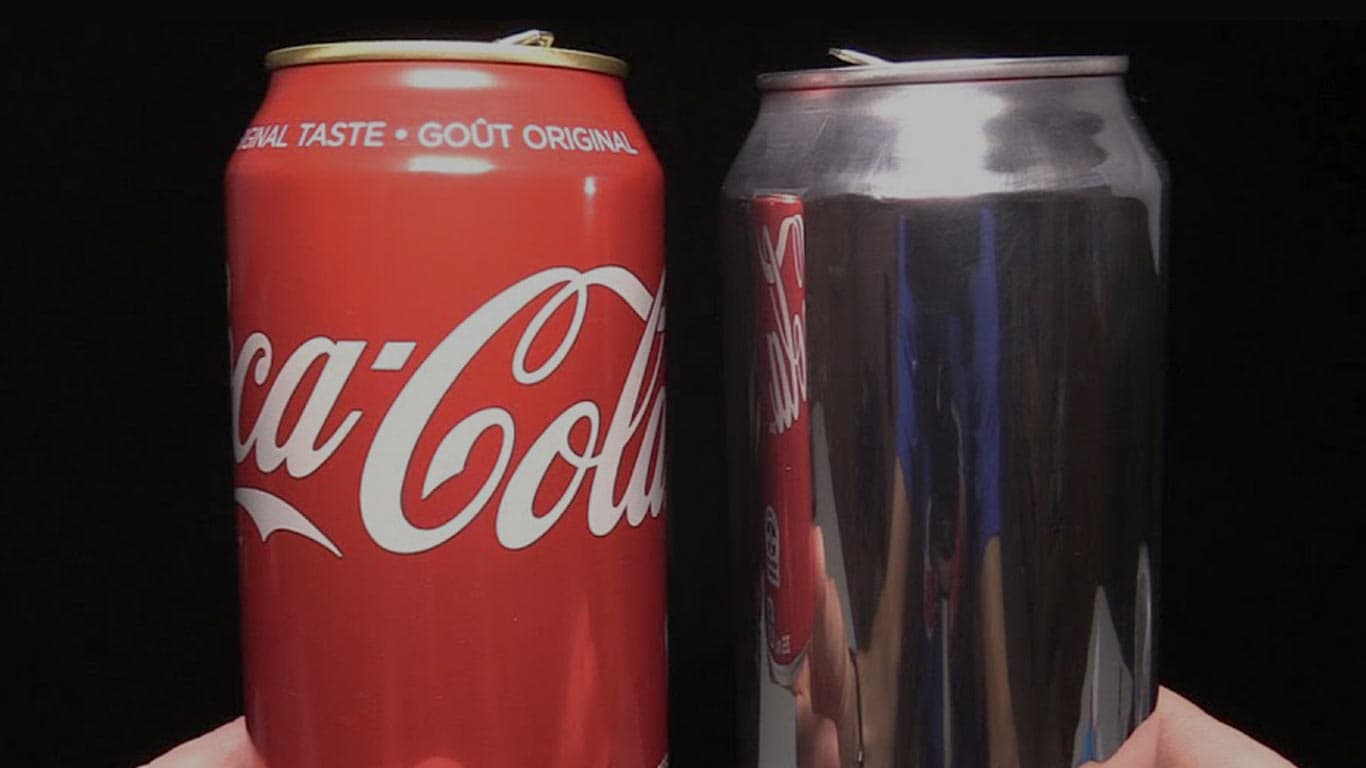
A Bay Area body shop stripping failed epoxy or polyurethane before recoat runs into a VOC cap near 50 grams per liter on solvent surface prep and spray-line cleanup, and older methylene-chloride paint strippers are barred from sale to industrial users after state toxics regulators listed the chemical as a priority product. A pulsed near-infrared laser removes the coating layer through thermal stress rather than solvent action, so shops can strip [aluminum](/materials/aluminum-laser-cleaning) panels and [steel](/materials/steel-laser-cleaning) frames without touching that VOC limit or generating stripped-paint waste. The exception is thick marine-grade epoxy built up over several coats, where repeated passes near rivets and seams can discolor the substrate unless the operator drops pulse energy and adds a cooling pause between rows. Shops already running [rust](/applications/laser-rust-removal-bay-area) or [lead paint](/applications/lead-paint-laser-removal-bay-area) removal on the same line can cover all three [paint coating](/contaminants/paint-coatings-laser-cleaning#substrateMatrix) jobs from one machine instead of separate chemical-stripping stations.
Tightly adherent mill scale requires more laser time than loose rust and often needs mechanical break-up first under the AMPP SP21511-1 ferrous scope (AMPP SP21511-1:2024). Treating laminated hot-rolled scale like a rust job wastes passes instead of saving them.
Dry carbon steel cleaning still requires iron oxide capture because the dust falls under OSHA Table Z-1 at 10 mg/m³ TWA and Cal/OSHA Title 8 §5155 airborne-contaminant limits, so source extraction has to stay on for the full job (OSHA Table Z-1) (Cal/OSHA Title 8 §5155).
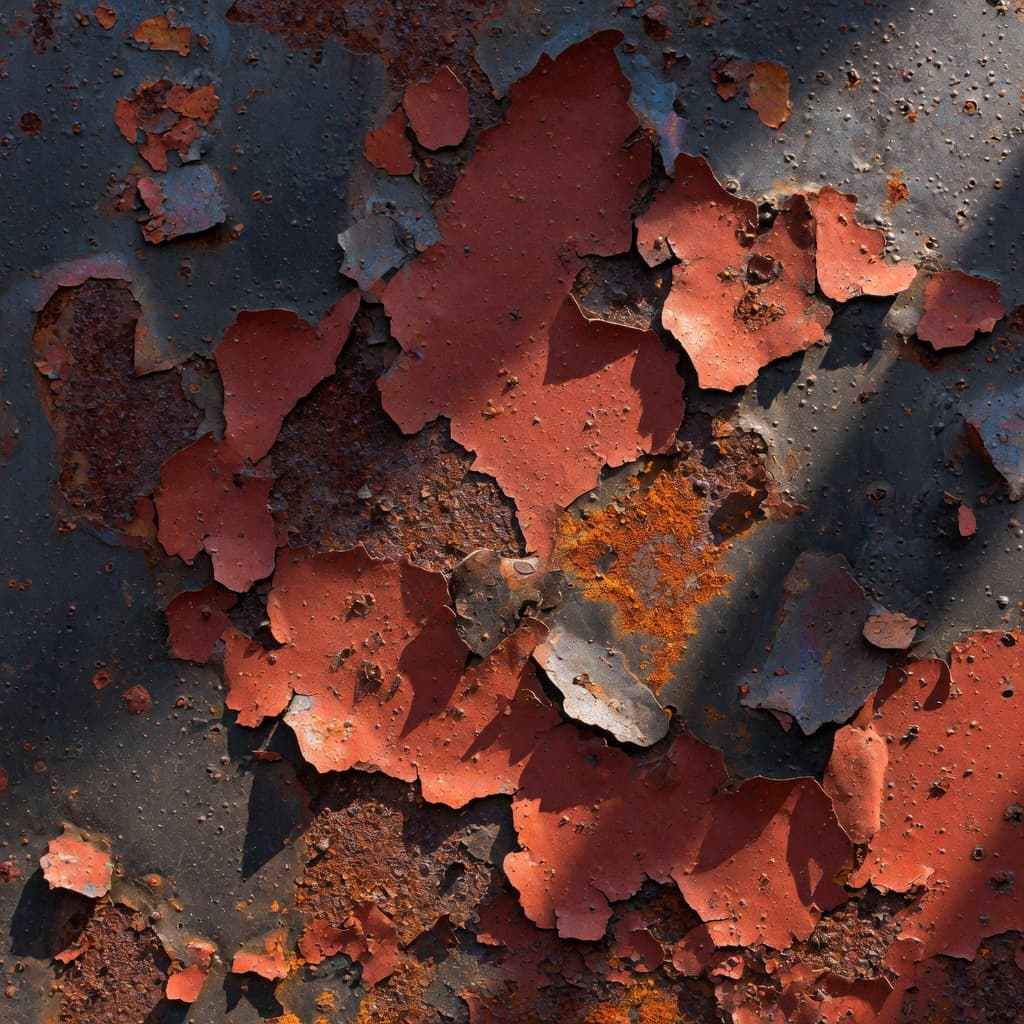
Laser cleaning removes iron oxide rust from steel down to bare metal without grinding wheels, abrasive blasting, or chemical strippers. The beam ablates the oxide layer while leaving sound steel underneath intact, so a part keeps its original dimension and surface finish through cleaning. It will not reverse pitting the rust already caused, repair corrosion damage done to the substrate, or clear a part in one blanket setting; rust depth and iron oxide type both change how many passes the surface needs before it is ready for inspection.
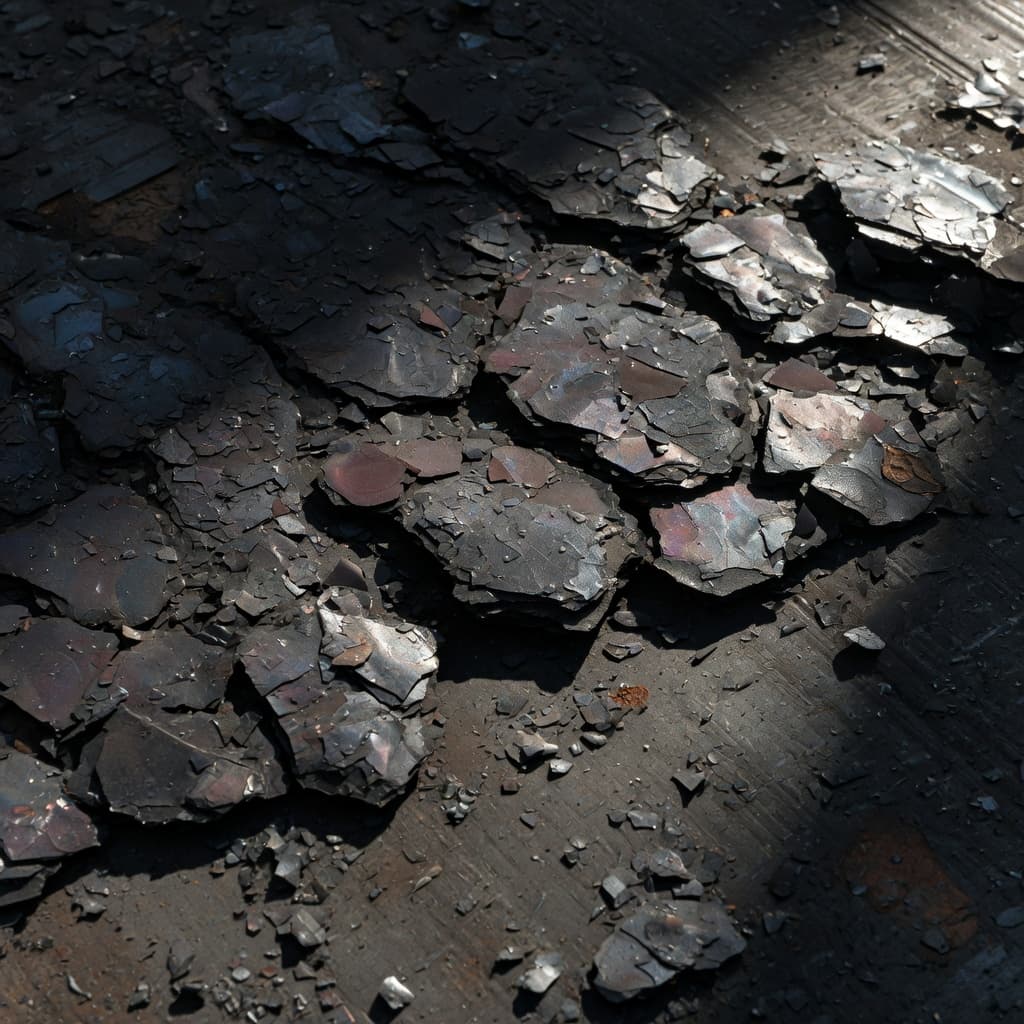
Laser cleaning fractures the bluish-black magnetite laminate off carbon steel in repeated passes, because mill scale runs roughly four times harder than the plate underneath it. A hot-rolled plate carrying this scale typically needs four or more passes to reach bare metal, while a lighter rust bloom on the same yard stock can clear in one or two. It will not strip in a single rust-grade pass, will not raise the surface to a deep abrasive-blast anchor profile some coating specs still call for, and will not reverse pitting that was already hiding under the scale.
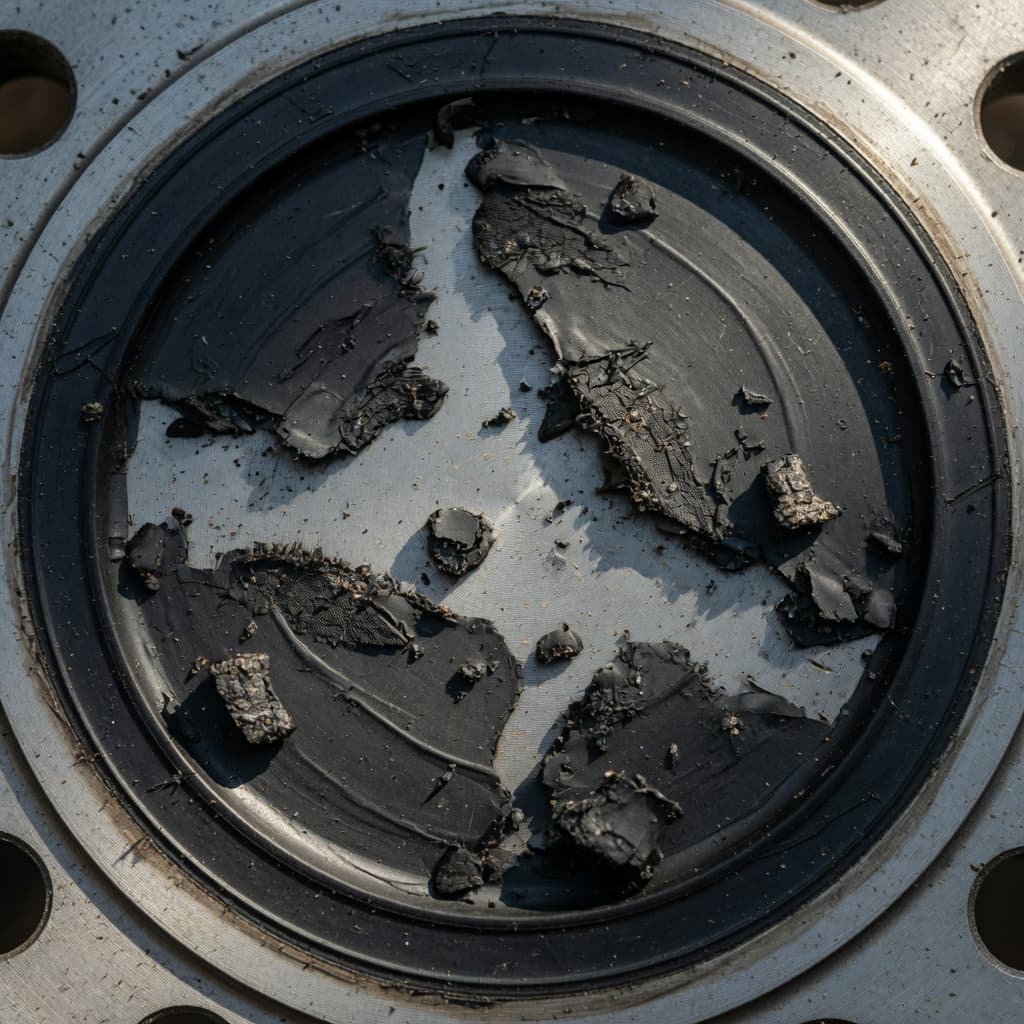
Laser cleaning decomposes mineral oil, synthetic lubricant, and machine grease off steel, aluminum, and stainless steel through fast thermal breakdown of the hydrocarbon film, the same damage-threshold logic that broader laser-cleaning threshold research has documented across very different host materials (Journal of Cultural Heritage, 2000). It is not a substitute for a wet alkaline line degreasing a full rack of parts at once, and it will not clear a bonded hard coating or a thick paint stack sitting on top of the oil.
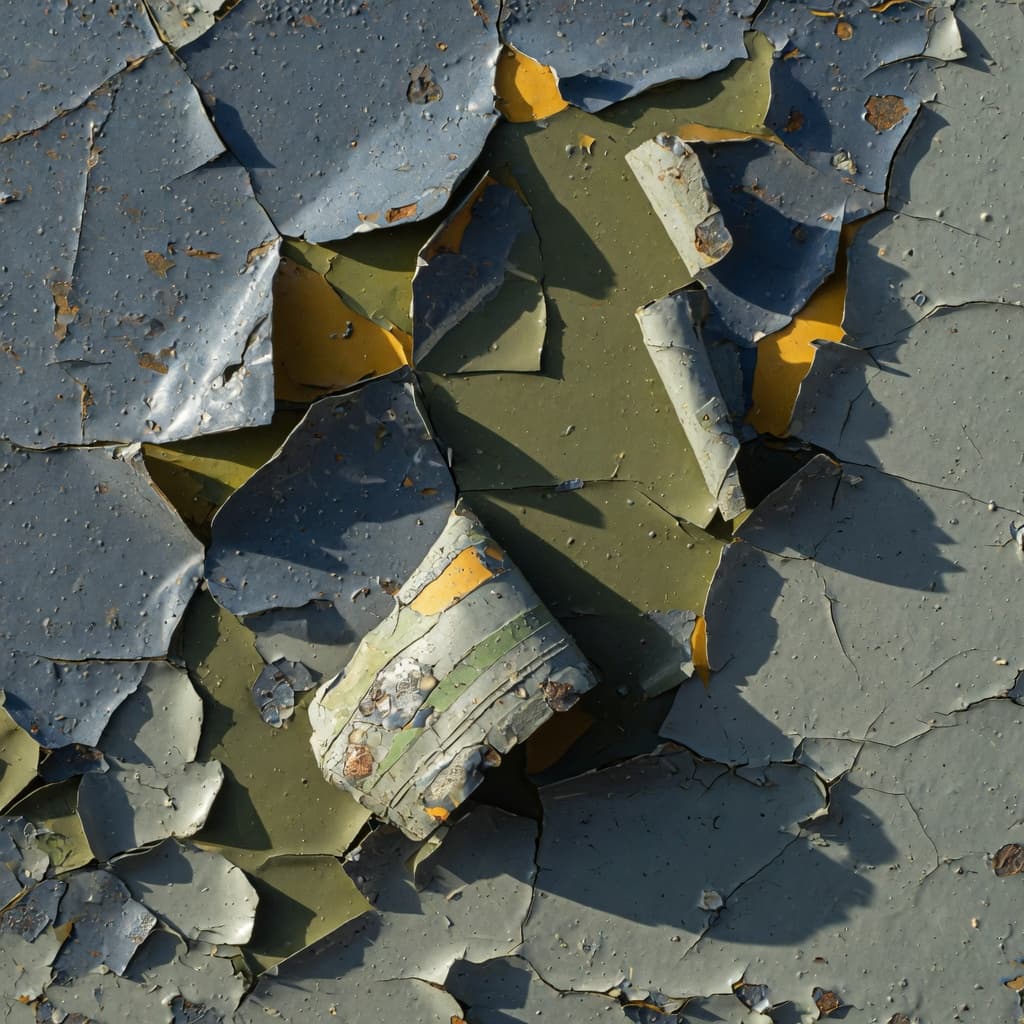
Requires matching the paint system and substrate pairing before setting energy, because a thin single topcoat on [steel](/materials/steel-laser-cleaning) clears at a fraction of the fluence a multilayer primer stack on [aluminum](/materials/aluminum-laser-cleaning) needs, and the substrate sets its own ceiling once the coating is gone. Paint sits as an applied, cross-linked polymer film bonded by mechanical keying and resin adhesion, not a corrosion product, so pigment load and binder chemistry decide more of the setting than the substrate alone. A surface-integrity study on laser-cleaned aluminum alloy carrying a paint layer documents that a visually bare finish does not by itself confirm the metal underneath escaped the pass undamaged (Applied Optics, 2024).
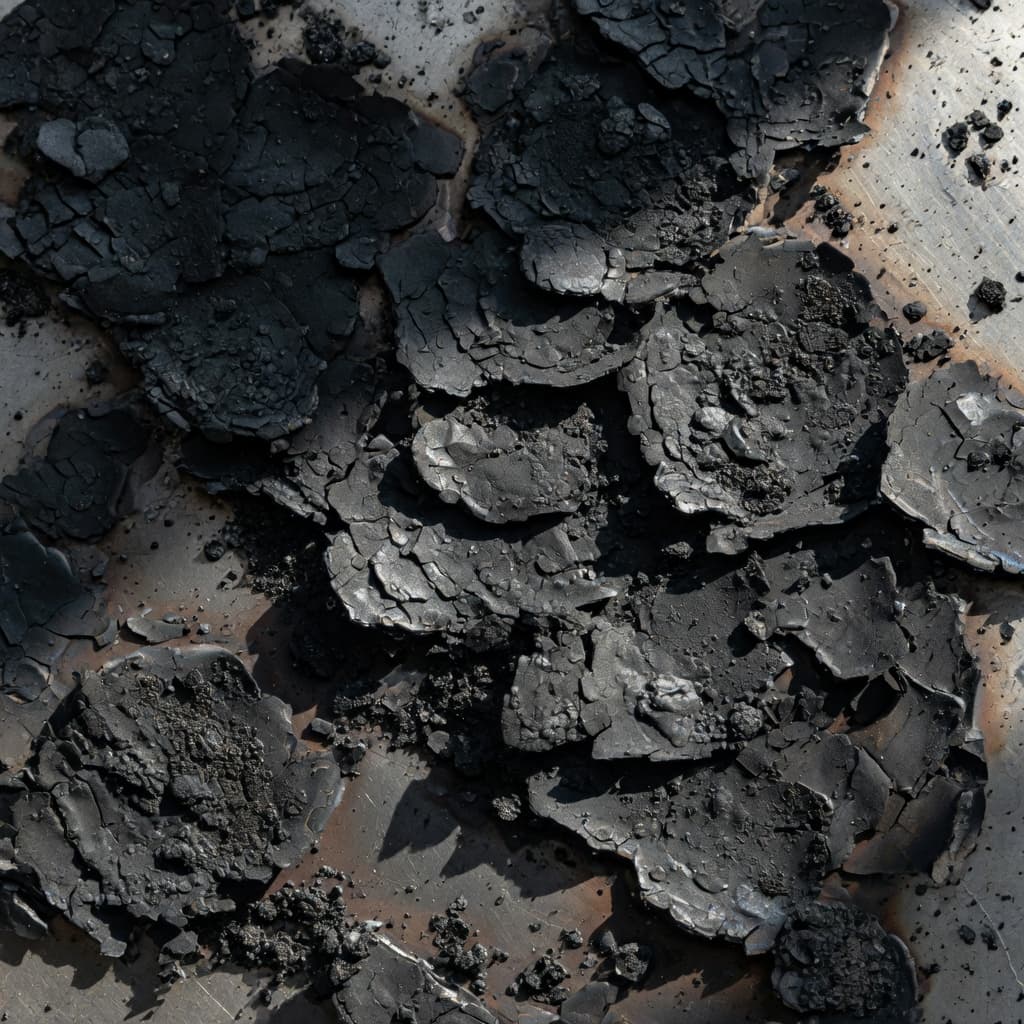
Laser cleaning removes the chromium-oxide and titanium-oxide scale that post-weld and post-anneal heat treatment grows on stainless steel, titanium, and Inconel, clearing the film without a chemical pickling bath. It will not rebuild the chromium that heat already pulled out of the grain boundaries beneath a dark heat-treated color, will not fix titanium alpha case that has already let oxygen diffuse deep into the metal, and will not stop the bare surface from re-oxidizing once it goes back into service heat.
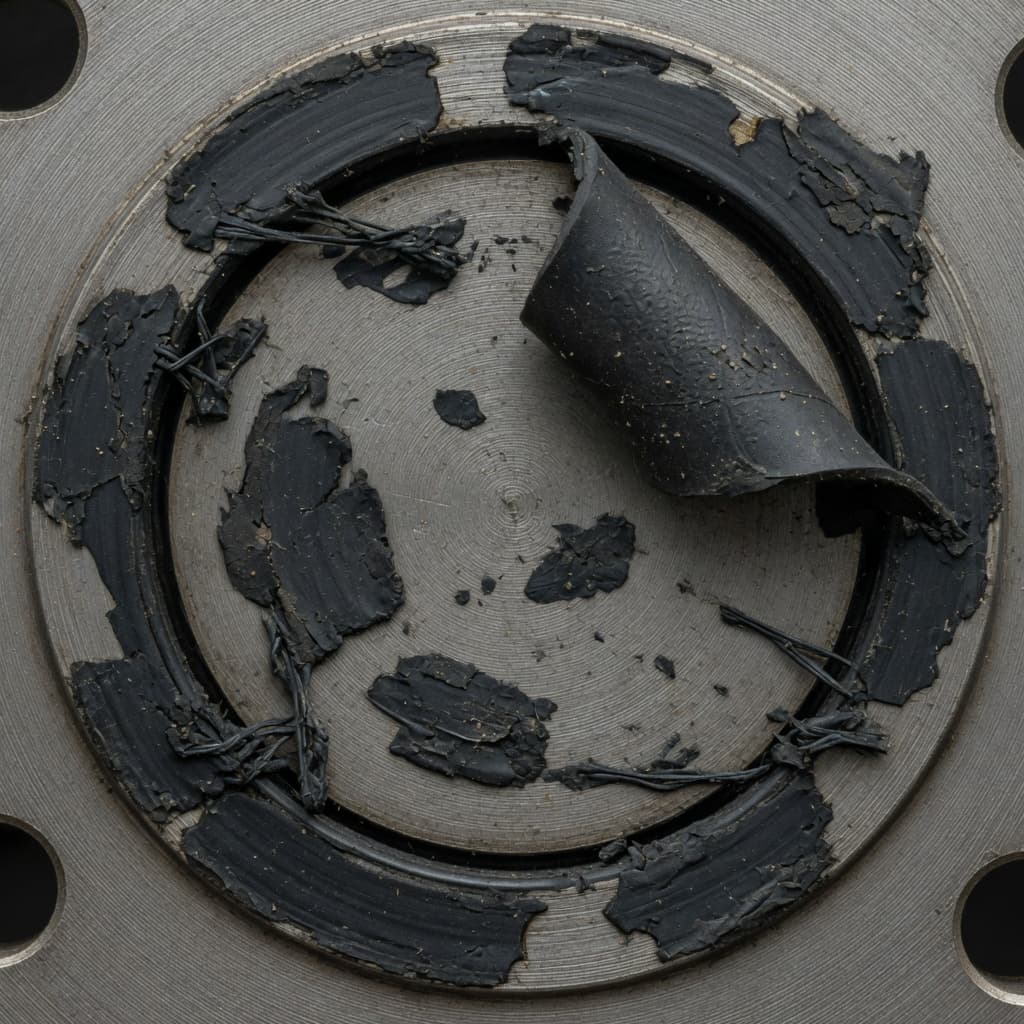
Requires a material call before a setting, since carbon-filled EPDM and nitrile gasket residue absorb a 1064 nanometer beam efficiently while Viton and other FKM compounds carry the same dark filler but decompose above roughly 200°C into hydrogen fluoride gas. [Carbon steel](/materials/steel-laser-cleaning) flange faces clear this residue between about 1 and 3 J/cm2, well under the 8 to 15 J/cm2 point where the metal itself starts to take damage, so the margin stays wide once the gasket type is confirmed on a coupon. Peer-reviewed laser surface-prep work on bonding faces shows the same selective-lift pattern a flange land needs when the rubber film must leave and the metal underneath must stay ready for the next gasket.