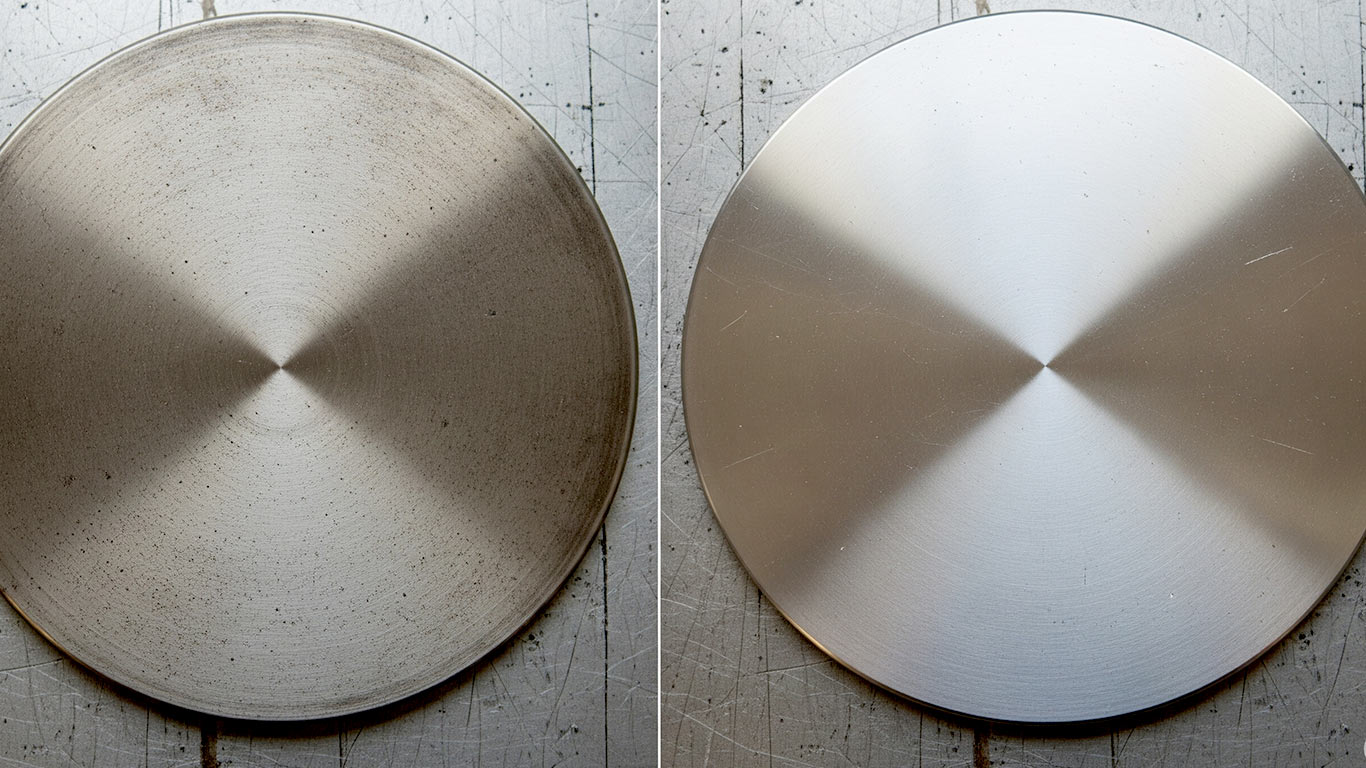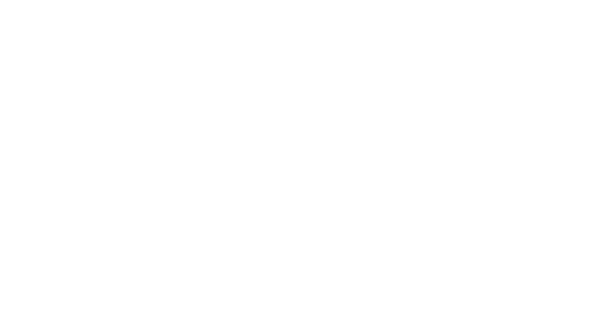
Hafnium surface undergoing laser cleaning showing precise contamination removal
Todd Dunning
Todd DunningMAUnited States
Optical Materials for Laser Systems
Published
Dec 16, 2025

Hafnium Laser Cleaning

We've found hafnium distinguishes itself from other non-ferrous metals through its exceptional resistance to extreme heat, allowing sustained integrity in demanding aerospace and nuclear environments without deformation, so monitor exposure to oxidizing conditions to preserve its protective oxide layer

Hafnium surface magnification

Before Treatment

The contaminated hafnium surface appears uneven and dotted with dark residues. Clumps of debris stick firmly across the rough texture. Layers of grime hide the underlying metal structure.

After Treatment

Laser treatment restores the hafnium surface to a smooth, even finish. It removes all visible contaminants without leaving marks. The clean metal now reveals a uniform, reflective appearance.

Regulatory Standards & Compliance

Hafnium Laser Cleaning Laser Cleaning FAQs

Q: Is it safe to laser clean hafnium, or does it pose a fire or explosion risk like other reactive metals?
A: Requires inert gas chamber. Laser cleaning hafnium demands pretty extreme caution because of its pyrophoricity. You'll need to work inside a sealed inert gas chamber with a 1064 nm wavelength laser at a fluence around 2.5 J/cm². This basically avoids creating fine, reactive particulates that create a major combustion risk.
Q: What laser parameters (wavelength, pulse duration, power) are recommended for cleaning hafnium surfaces without causing surface oxidation or metallurgical damage?
A: For cleaning hafnium surfaces, I'd suggest a 1064 nm wavelength with nanosecond pulses at about 10 ns. Aim for a fluence fairly close to 2.5 J/cm² to strip away oxides effectively, without melting the substrate or creating a brittle HfO₂ layer. This keeps heat input low and sidesteps micro-cracking.
Q: How do you handle and dispose of the hazardous waste generated from laser cleaning hafnium?
A: Wet collection prevents ignition. Given hafnium's pyrophoric nature, we typically rely on wet collection systems to avoid igniting those fine particles. The reactive waste slurry basically demands compliant disposal as hazardous material, particularly at our standard 100W power with 50μm spot size.
Q: Can laser cleaning be used to decontaminate hafnium components in the nuclear industry?
A: Yes, laser cleaning proves pretty effective for nuclear decontamination of hafnium. Employing a 1064 nm wavelength at ~2.5 J/cm² basically ablates contaminants efficiently while cutting secondary waste. Overall, this approach typically lowers personnel exposure far more than traditional abrasive methods.
Q: What is the best way to verify the surface integrity of hafnium after laser cleaning?
A: Dye penetrant and interferometry verification. For hafnium, I'd typically kick off with dye penetrant testing to spot micro-fissures. Next, I'd check surface roughness via white light interferometry, keeping it below 0.8 µm to avoid stress concentrations in aerospace parts. This approach basically ensures integrity after your 1064 nm laser cleaning.
Q: Why is hafnium so difficult to clean compared to common metals like steel or aluminum?
A: Extreme oxygen affinity causes re-oxidation. Hafnium's strong oxygen affinity pretty much ensures instant re-oxidation right after cleaning, so controlled atmospheres are essential. That high 2227°C melting point calls for precise laser settings, typically 2.5 J/cm² fluence, to clear the stubborn oxide layer without substrate harm.
Q: Is a pulsed or continuous-wave (CW) laser more effective for cleaning hafnium?
A: For reactive hafnium, pulsed lasers are pretty superior. Their nanosecond pulses, like 10 ns at 2.5 J/cm², basically ablate the oxide layer with minimal heat input, preventing thermal oxidation. Continuous-wave systems typically deliver excessive energy, risking substrate damage and undermining the material's integrity in critical aerospace and nuclear uses.
Q: What personal protective equipment (PPE) is essential for operators laser cleaning hafnium?
A: Because hafnium gets pretty pyrophoric in fine particle form, operators require explosion-proof ventilation along with NIOSH-approved P100 respirators. That powerful 1064 nm laser interaction fairly often creates substantial UV plasma, so full-wavelength safety eyewear and face shields are essential for shielding against reflected beams and secondary radiation.

Hafnium Laser Cleaning Dataset Download

License: Creative Commons BY 4.0 • Free to use with attribution •Learn more