Todd Dunning
Todd DunningMAUnited States
Optical Materials for Laser Systems
Published
Mar 26, 2026

Laser Cleaning Applications in Metal Fabrication

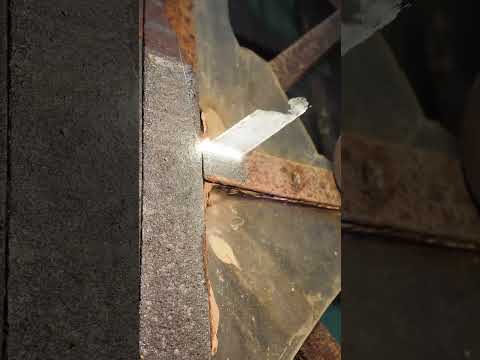
Laser cleaning in metal fabrication removes rust, annealing scale, cutting fluid residues, and oils from steel, aluminum, copper, and brass stock during forming, stamping, machining, and finishing operations. Inline fiber laser systems integrated after press brakes and CNC cutting stations clean parts before powder coating or plating without adding a wet process step, reducing overall cycle times and chemical disposal costs. Annealing scale on hot-rolled steel is particularly well matched to laser ablation, achieving Sa 2.5 cleanliness in single passes that pickling cannot match for complex profiles. Discussions in the job-shop sector center on cost-per-part versus batch chemical cleaning for mid-volume runs. Selective area cleaning for laser-marked identification zones is an emerging use case.

Structural and Fabricated Metals

Structural steel sections, plate, and tube form the core cleaning throughput in metal fabrication shops. Aluminum extrusions and sheet are prepared before anodizing or painting. Stainless steel sheet and tube are cleaned before passivation or electro-polishing. Copper and brass precision sheet requires oxide and lubricant removal before soldering or brazing.

Fabrication Shop Surface Contaminants

Rust and mill scale on structural steel must be removed before welding, painting, or coating. Cutting and punching fluid from CNC and press operations contaminates bonding surfaces. Stamping lubricant requires clearance before assembly. Industrial oil must be removed before inspection. Annealing oxide on stainless steel requires ablation before electro-polishing or passivation.