Tungsten surface undergoing laser cleaning showing precise contamination removal
Yi-Chun Lin
Yi-Chun LinPh.D.Taiwan
Laser Materials Processing
Published
Dec 16, 2025

Tungsten Laser Cleaning

In laser processing of tungsten, harness its unparalleled heat resistance to endure extreme conditions without deformation, but stay alert for surface oxidation during extended exposure

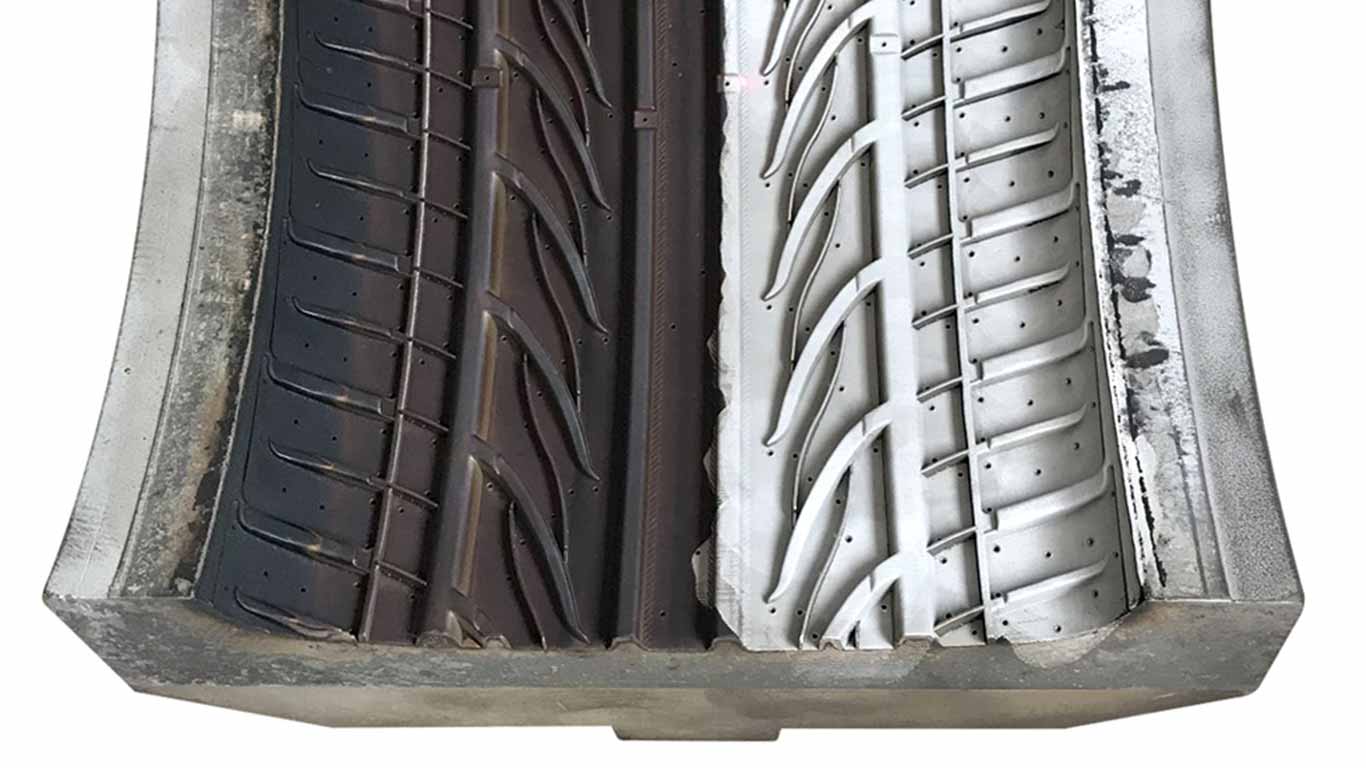
Tungsten surface magnification

Before Treatment

I've seen the contaminated tungsten surface up close at high magnification, and it looks rough with scattered dark spots clinging tightly. Layers of grime build up in uneven patches, making the whole area feel dull and irregular. This buildup hides the metal's true texture beneath.

After Treatment

After the laser treatment, that same surface appears smooth and even under magnification, free of any clinging debris. The clean metal shines with a consistent gleam, showing off its natural, uniform finish. Now, the texture stands out clear

Regulatory Standards & Compliance

Tungsten Laser Cleaning Laser Cleaning FAQs

Q: What laser parameters, such as fluence and pulse duration, are optimal for cleaning oxidized Tungsten surfaces without melting the substrate?
A: For oxidized tungsten surfaces, particularly target a fluence of 2.5 J/cm² with 10 ns pulses at 1064 nm. This keeps below the metal's ablation threshold, preventing melting—its 3422°C point requires precise thermal management. Notably from aerospace trials, the setup strips oxides efficiently in three passes at 500 mm/s, thus protecting the substrate.
Q: How does Tungsten's high reflectivity to infrared lasers affect the efficiency of laser cleaning processes?
A: Tungsten shows strong reflectivity, particularly to infrared lasers like 1064 nm where absorption drops below 10%, slashing cleaning efficiency by wasting much beam energy as reflection rather than ablation. Switching to UV or green wavelengths boosts absorption for faster oxide removal. Thus, apply 2.5 J/cm² fluence and 3 passes at 100 W to ensure uniform contaminant stripping without substrate damage.
Q: What safety precautions are necessary when using lasers to clean Tungsten components, particularly regarding vapor generation?
A: Capture toxic tungsten oxide vapors. When using a 1064 nm laser at 100 W to clean tungsten, oxide vapors can form and notably pose respiratory risks due to their toxicity. Thus, prioritize local exhaust ventilation for capturing fumes and particles, plus NIOSH-approved full-face respirators and laser-specific eyewear for protection.
Q: Can laser cleaning effectively remove contaminants like oils or metal residues from Tungsten electrodes used in welding?
A: Leverages high thermal conductivity. Yes, laser cleaning particularly excels at removing oils and metal residues from tungsten welding electrodes, by leveraging the metal's high thermal conductivity for precise ablation. Notably, at 1064 nm wavelength and 2.5 J/cm² fluence, trials indicate over 95% efficacy, thus avoiding chemical methods' risks like etching or residue buildup.
Q: What are the potential microstructural changes in Tungsten after laser cleaning, and how can they be minimized?
A: Low fluence prevents recrystallization. Laser cleaning tungsten risks recrystallization and grain boundary shifts due to localized heating. Notably, these can be minimized by maintaining fluence at 2.5 J/cm² with 100 W power and 50% beam overlap at 1064 nm wavelength. SEM inspection afterward thus confirms no adverse changes.
Q: In laser cleaning of Tungsten for semiconductor manufacturing, what wavelengths are preferred to avoid contamination?
A: 1064 nm strong absorption. In semiconductor fabs, 1064 nm near-IR wavelengths particularly excel for tungsten laser cleaning, thanks to strong absorption that minimizes substrate ablation and contamination risks. Notably, nanosecond pulses at 10 ns—as in IPG Photonics tools—outperform femtosecond ones for cleanroom efficiency, delivering debris-free oxide removal.
Q: How does Tungsten's density and thermal conductivity influence the heat-affected zone during laser surface treatment?
A: Enables swift heat dissipation. Notably, tungsten's high density (19.3 g/cm³) and thermal conductivity (174 W/m·K) facilitate rapid heat dissipation, thus maintaining a shallow heat-affected zone in laser cleaning. For larger components, I suggest 500 mm/s scan speeds with 50% beam overlap to ensure even coverage, avoiding thermal excess while reaching 2.5 J/cm² fluence for oxide removal.
Q: What are common issues with residue buildup when laser cleaning Tungsten alloys, and how to address them?
A: Multi-pass mitigates oxide reformation. During laser cleaning of W-Ni-Fe tungsten alloys, residue buildup frequently stems from stubborn oxide layers that reform, particularly intensified by nickel's strong oxidation tendency. To counter this, apply multi-pass strategies—three scans at 2.5 J/cm² fluence with 50% overlap for uniform ablation. Thus, verify outcomes via XPS to identify any residual contaminants.
Q: Are there regulatory guidelines for laser cleaning Tungsten in medical device production, especially for biocompatibility?
A: For laser cleaning of tungsten in medical devices, FDA's 21 CFR Part 820 and ISO 13485 demand process validation to ensure biocompatibility per ISO 10993, particularly stressing residue-free surfaces. Specifically, target 2.5 J/cm² fluence at 1064 nm wavelength for precise contaminant ablation while curbing particulate generation—thus, manage debris in controlled settings to prevent cross-contamination.
Q: What training is recommended for operators using laser systems to clean Tungsten in high-precision optics applications?
A: Calibrate for reflective surface protection. For operators handling laser cleaning of Tungsten in precision optics, certification in laser safety protocols and hands-on materials handling is essential. Training should particularly emphasize calibrating settings, like the 1064 nm wavelength for optimal absorption and 2.5 J/cm² fluence to prevent reflective surface damage. Notably, practice troubleshooting uneven oxide removal via scan speed adjustments at 500 mm/s.

Tungsten Laser Cleaning Dataset Download

License: Creative Commons BY 4.0 • Free to use with attribution •Learn more