


Click to play video

Alessandro MorettiPh.D.Italy
Materials process development for ceramics and alloys, Surface chemistry and microstructure interpretation, Manufacturing repeatability and quality documentationPublished
Apr 28, 2026
Turbine and High-Value Component Laser Cleaning
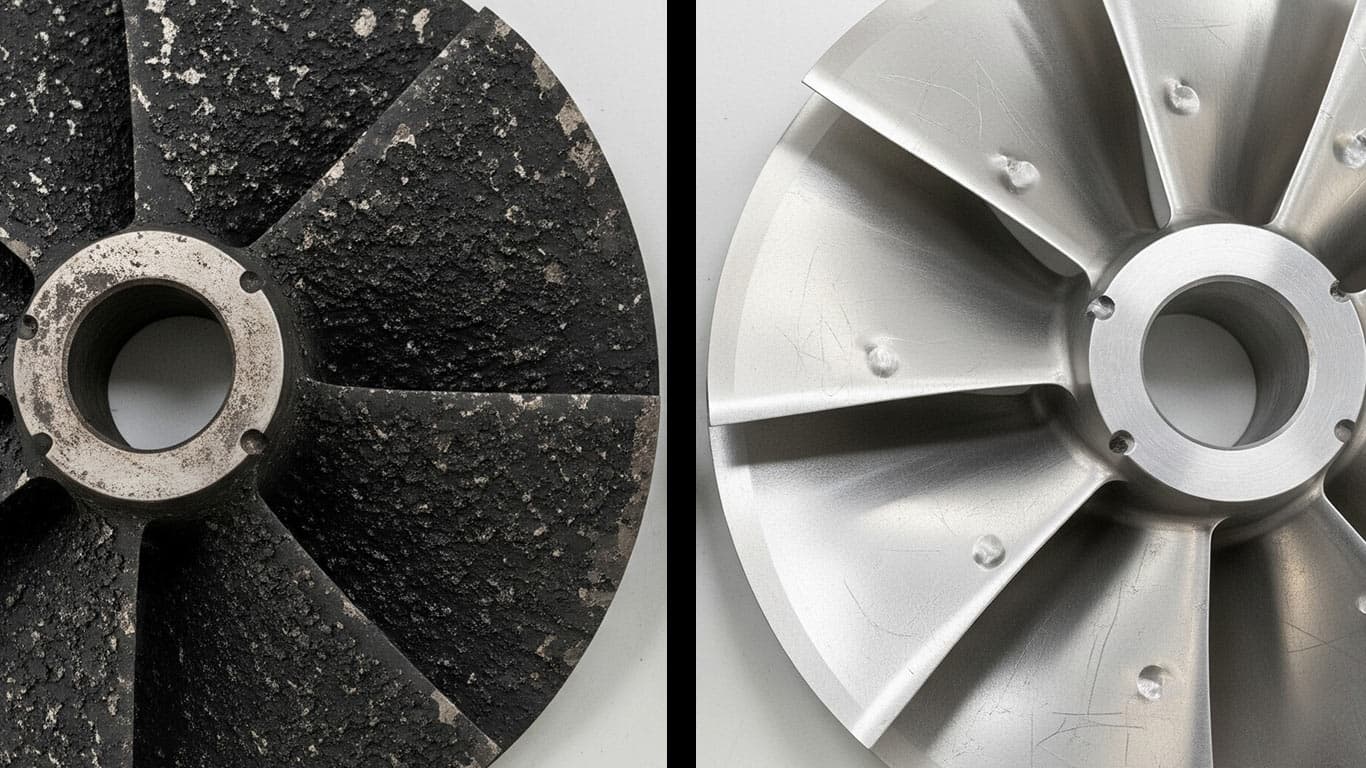
Precision laser cleaning for turbine blades, engine housings, landing gear, and other high-value rotating or flight-critical components must achieve selective coating and oxide removal without any risk to aerodynamic balance, substrate integrity, or metallurgical properties. Controlled oxide removal can help preserve fatigue properties and cooling hole geometry while minimizing secondary waste.
Introduction
High-value aerospace components such as turbine blades, engine housings, and landing gear require extremely careful surface cleaning. These parts operate under high stress and tight tolerances, where even minor surface damage or residue can affect performance, fatigue life, or safety. Laser cleaning provides a non-contact method to remove oxides, coatings, and deposits while minimizing risk to the substrate.
Context
Turbine and high-value aerospace components are typically made from nickel superalloys, titanium, and other advanced materials. They accumulate thermal oxides, carbon deposits, and environmental contaminants during service. Traditional cleaning methods can introduce mechanical stress, alter surface condition, or risk damaging critical features such as cooling holes.
Observations
In practice, laser cleaning can selectively remove oxides and deposits from turbine blades and high-value components when parameters are carefully controlled. This helps preserve blade geometry, cooling features, and fatigue-critical surface conditions.
Process Notes
Laser cleaning of turbine and high-value components is typically performed with precise fluence control and often in controlled environments. It targets contaminants on blades, housings, and other flight-critical parts while protecting metallurgical properties and dimensional accuracy.
Limitations
Some heavily oxidized or coated surfaces may require multiple low-fluence passes. Access to internal cooling channels or complex geometries can be limited. Results depend heavily on proper parameter selection to avoid any risk to fatigue life or balance.
Common Turbine & High-Value Materials
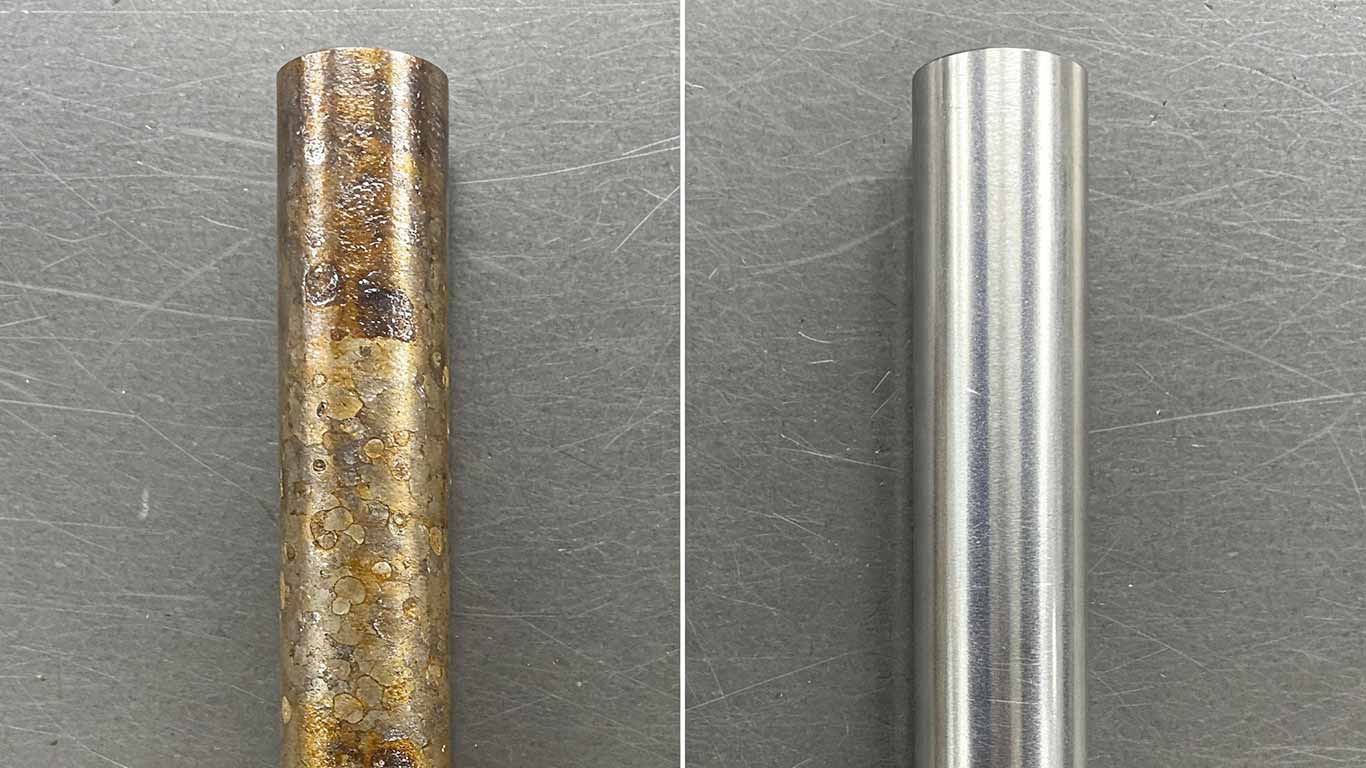
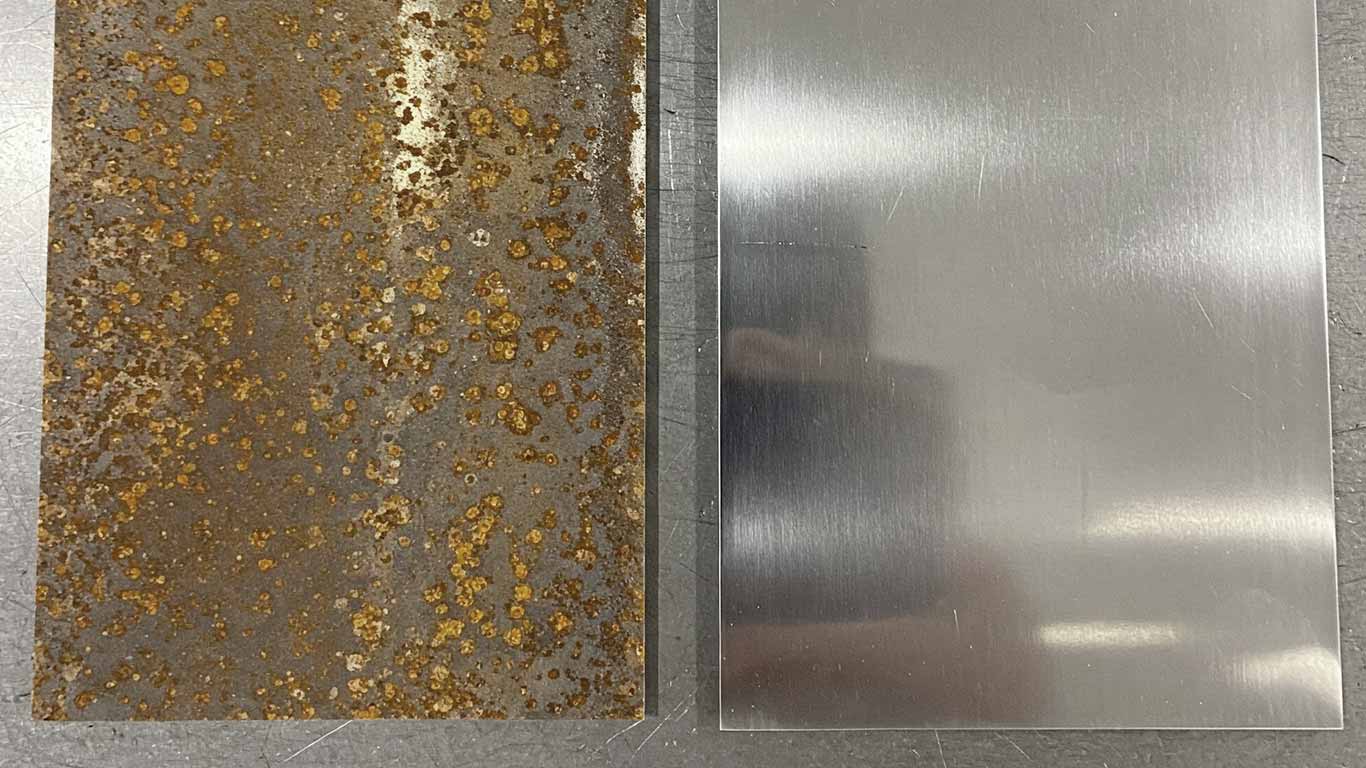
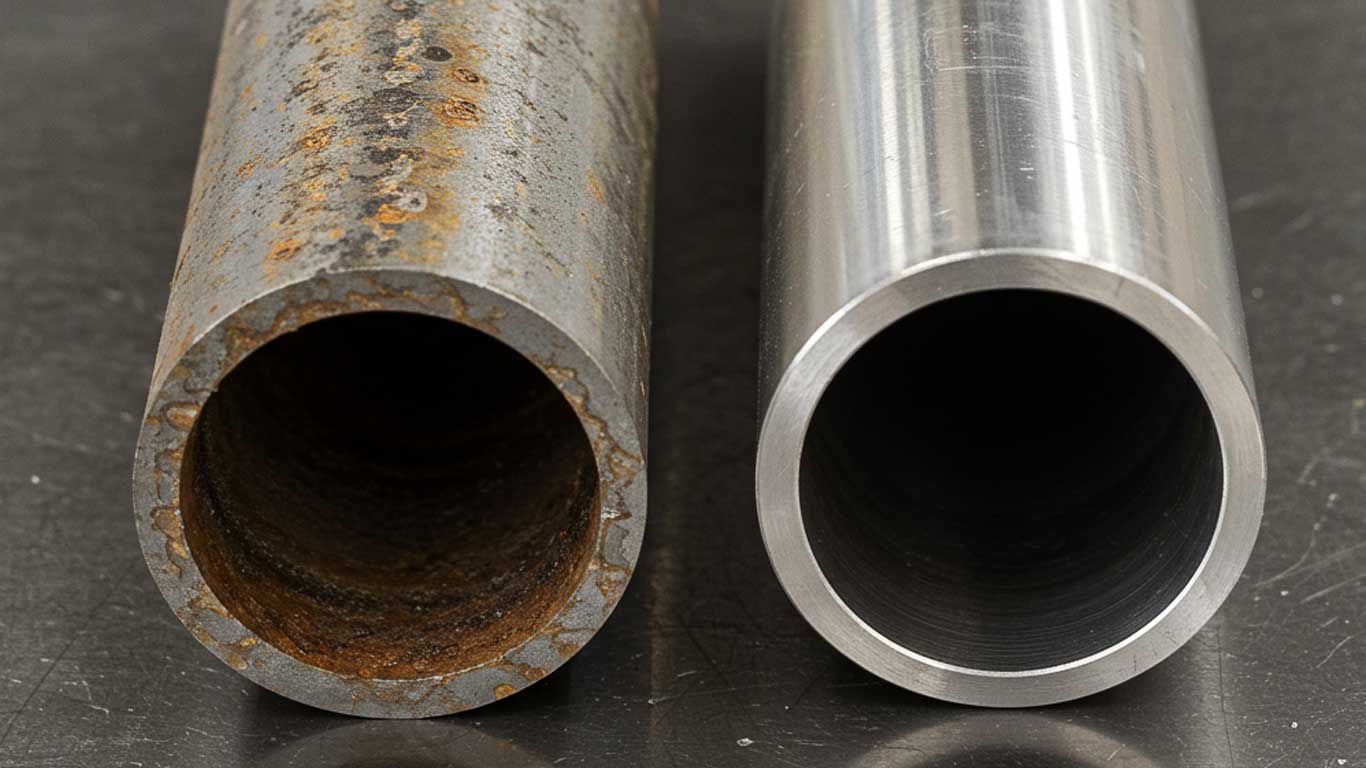
Nickel superalloys (Inconel), titanium, stainless steel, and aluminum used in turbine blades, engine components, and critical aerospace parts are cleaned without altering balance, fatigue strength, or surface integrity.
Related Videos
Component-level examples where selective cleaning protects blade geometry, cooling features, and service-life margins.


Frequently Asked Questions
Engineering questions on restoring high-value turbine parts without compromising fatigue performance or balance.
Is laser cleaning safe for high-value turbine blades?
Laser cleaning is safe for high-value turbine blades when precisely controlled. Properly configured laser systems ensure selective material ablation without affecting substrate integrity, aerodynamic balance, or metallurgical properties. This process preserves fatigue properties and cooling hole geometry on materials like Inconel and titanium, provided parameters are validated for each application.
Does laser cleaning affect the balance or aerodynamic properties of turbine components?
Precision laser cleaning systems are engineered to selectively remove coatings and oxides without affecting the balance or aerodynamic properties of turbine components. The process parameters are meticulously controlled to ensure minimal substrate material removal, typically less than 5 microns, preserving critical geometries and mass distribution essential for maintaining aerodynamic performance and component balance on flight-critical parts.
What settings are usually recommended for Turbine and High-Value Component laser cleaning settings on Turbine and High-Value Component?
Optimal laser cleaning settings for Turbine and High-Value Components are highly application-specific, depending on substrate material (e.g., Inconel, Titanium), contaminant type, and desired removal depth. Specific pulse energy, frequency, and scan speed parameters require empirical validation through material testing to prevent substrate damage or metallurgical alteration, particularly for flight-critical components.
How is Turbine and High-Value Component laser cleaning used on Turbine and High-Value Component?
**Turbine and High-Value Component laser cleaning selectively removes oxides, coatings, and contaminants from flight-critical parts such as turbine blades, engine housings, and landing gear. This non-contact process maintains substrate integrity and aerodynamic balance, crucial for components made from Inconel or titanium**. It minimizes secondary waste generation compared to traditional abrasive methods.