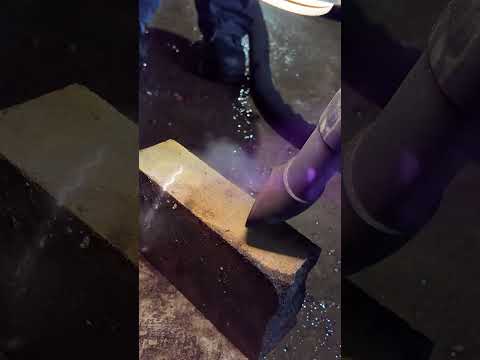

Brick
View details: Brick. Category: masonry. Subcategory: General.Removes soot, biological growth, and old paint from fired clay brick without abrasive blasting that erodes the face or the mortar joints around each unit. The beam targets the surface layer and leaves the fired clay body underneath, so window sills, quoins, and decorative brickwork keep their original arrises instead of rounding under sand or grit media. Efflorescence and atmospheric soiling common to [historic masonry](/applications/historic-masonry-restoration-laser-cleaning) respond to the same low-heat approach that strips [soot and fire char](/contaminants/fire-char-weathering-laser-cleaning) from a chimney breast or [old paint layers](/contaminants/paint-coatings-laser-cleaning) from a painted facade. Repointed mortar and softer lime-based joints need a lower setting than the brick face itself, since brick and mortar do not share the same tolerance. Fired clay brick is distinct from [terracotta architectural units](/materials/terracotta-laser-cleaning), which use finer clay bodies and glazes that call for different settings.