


Brick Laser Cleaning
Removes soot, biological growth, and old paint from fired clay brick without abrasive blasting that erodes the face or the mortar joints around each unit. The beam targets the surf...


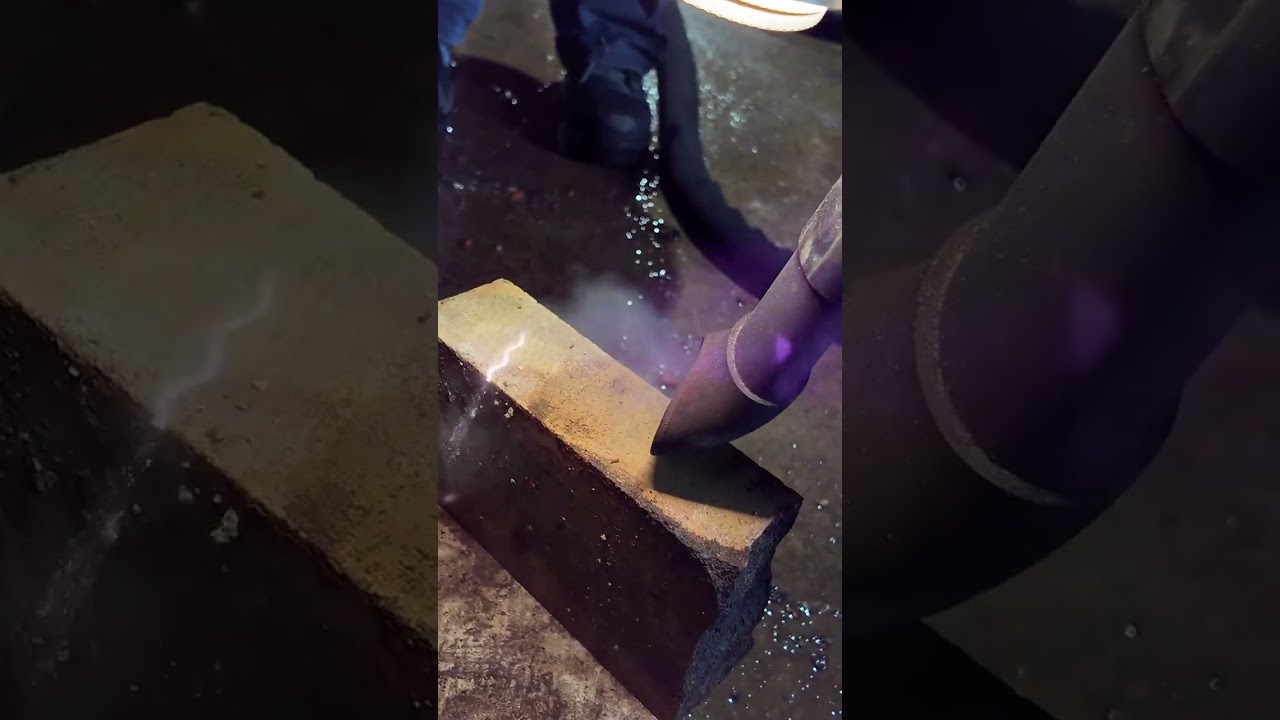
Laser cleaning on 130 year old masonry brick removes later paint, soot, and weathering films from the fired face. It does not replace a mason's call on failed mortar, and it will not put a hard skin back on brick that already lost that face to sandblasting. Abrasive blast and harsh chemical wash are the methods that strip that skin and open the softer body to freeze and salt. Brick and historic masonry restoration are the neighboring pages for substrate limits and job scope. This clip shows the face after a short pulsed pass, not a full facade program.
Short MVIdcHAef4c shows pulsed laser removing paint and soot from 130-year-old masonry brick without abrasive face loss.
Removes soot, biological growth, and old paint from fired clay brick without abrasive blasting that erodes the face or the mortar joints around each unit. The beam targets the surf...

Interior gypsum and lime plaster can take a careful pulsed laser pass that removes soot, paint films, and surface soil from heritage rooms. The finish is soft and holds little heat...

Laser cleaning removes surface soiling, paint, and biological growth from concrete without water, media blast, or chemical strippers, so rebar cover and nearby finishes stay undama...

Paint, biological film, and weathered binder come off mortar without raking the joint hollow. The joint is usually softer and more porous than the units it beds. Lime and portland...
Loose soot and bonded char leave brick, concrete, and painted exterior trim under a dry pulsed near-infrared pass that replaces water, chemical sponges, and grit. Burned drywall paper and timber that already lost structural backing stay outside this page, and any wood still needs a scrap coupon before production settings.
Requires reading the deposit-substrate pair before setting energy, because a [built-up edge](/materials/aluminum-laser-cleaning) on a carbide insert and the same cold-welded smear on a [tool-steel](/materials/tool-steel-laser-cleaning) die do not clear at the same fluence. The deposit got there by mechanical transfer, pressure welding during machining, adhesive wear between sliding parts, or hot workpiece pickup on a die, not by a chemical reaction with the base metal, so a matching offcut decides the setting rather than a rust or oxide default. Built-up edge on cutting tools forms when chip material pressure-welds to the rake face, work-hardens, and seizes the tip, the same transfer path that shows up as galling on dies and as hot pickup on a [tungsten-carbide](/materials/tungsten-carbide-laser-cleaning) cutting edge.
Black crust on marble, limestone, sandstone, and granite is a gypsum-soot film that absorbs far more pulsed-laser energy than the pale stone underneath it, which is what lets a pulsed pass remove the deposit before the parent stone takes damage. Sandstone carries the tightest margin between crust removal and surface damage of the stones on this page, so a labeled offcut test matters there even when a wider marble coupon already cleared.
Requires matching the paint system and substrate pairing before setting energy, because a thin single topcoat on [steel](/materials/steel-laser-cleaning) clears at a fraction of the fluence a multilayer primer stack on [aluminum](/materials/aluminum-laser-cleaning) needs, and the substrate sets its own ceiling once the coating is gone. Paint sits as an applied, cross-linked polymer film bonded by mechanical keying and resin adhesion, not a corrosion product, so pigment load and binder chemistry decide more of the setting than the substrate alone. A surface-integrity study on laser-cleaned aluminum alloy carrying a paint layer documents that a visually bare finish does not by itself confirm the metal underneath escaped the pass undamaged (Applied Optics, 2024).

Landmark facade work requires a hidden test patch before pulsed laser cleaning touches any visible elevation. The pass removes soot, pollution crust, and graffiti from [brick](/mat...

On a brick, limestone, or sandstone wall, this job removes centuries of soot, biological growth, and pollution crusts from [brick](/materials/brick-laser-cleaning), [limestone](/ma...


