


Brick Laser Cleaning
Removes soot, biological growth, and old paint from fired clay brick without abrasive blasting that erodes the face or the mortar joints around each unit. The beam targets the surf...


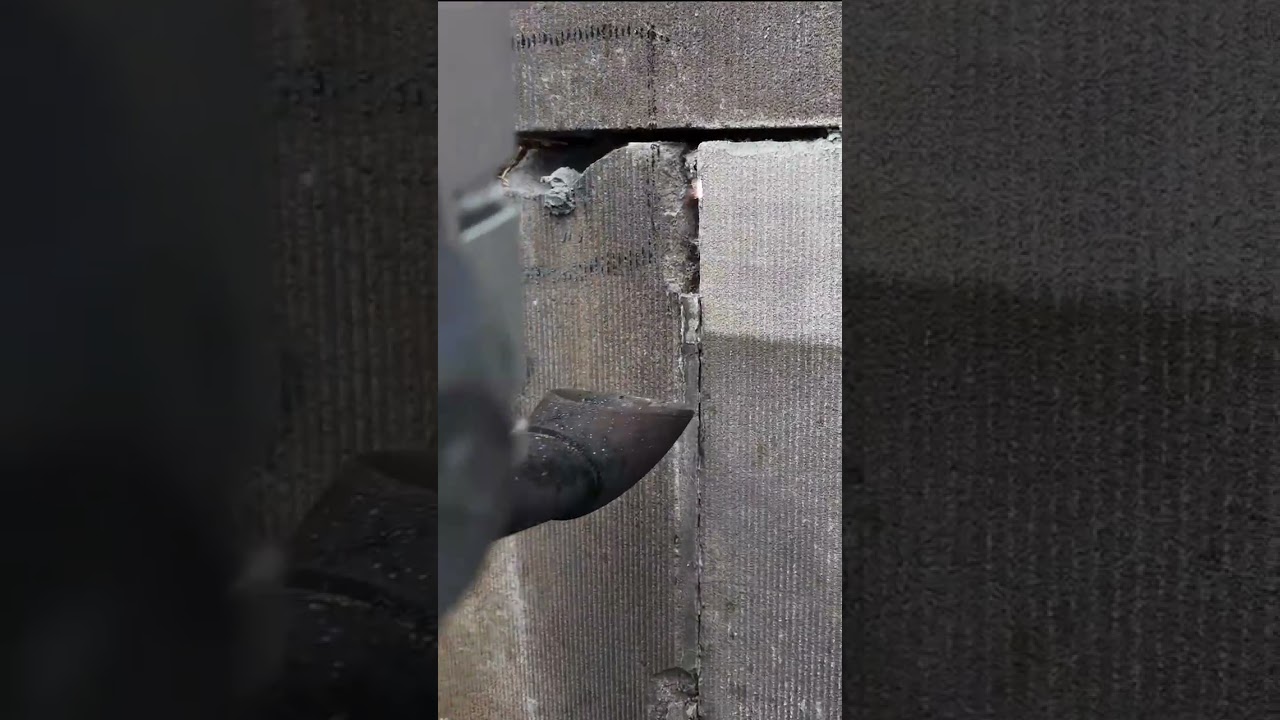
Laser cleaning removes soot, biological growth, and cement-based patches from historic building foundation stone without the abrasive contact that grinding or sandblasting requires. The beam targets surface contamination on limestone and sandstone foundations while leaving the original substrate profile intact, a distinction inspectors check before approving heritage restoration work. It does not repair cracked mortar joints, stabilize settling footings, or replace lost material; those failures need a mason, not a beam. Fluence stays low enough to avoid thermal shock on aged stone, but embedded salts and deep water staining resist full removal in a single pass.
Short aMykc5S8Unc shows pulsed laser clearing soiling from a historic building foundation in 23 seconds without abrasive contact.
Removes soot, biological growth, and old paint from fired clay brick without abrasive blasting that erodes the face or the mortar joints around each unit. The beam targets the surf...

Laser cleaning removes efflorescence, form-release residue, and light carbonation film from cement paste without acid etching or grinding, but it does not rebuild binder eroded by...

Laser cleaning removes surface soiling, paint, and biological growth from concrete without water, media blast, or chemical strippers, so rebar cover and nearby finishes stay undama...

Sandstone requires the lithotype and cement class on record before a laser pass, since quartz grains sit inside a porous binder that traps dust and silica rather than releasing the...

Patio and facade panels sold as bluestone can be quartz-bearing sandstone or a denser igneous stone. A copied sandstone or limestone setting can fracture the wrong face. Soil and l...

Paint, biological film, and weathered binder come off mortar without raking the joint hollow. The joint is usually softer and more porous than the units it beds. Lime and portland...
Requires matching the paint system and substrate pairing before setting energy, because a thin single topcoat on [steel](/materials/steel-laser-cleaning) clears at a fraction of the fluence a multilayer primer stack on [aluminum](/materials/aluminum-laser-cleaning) needs, and the substrate sets its own ceiling once the coating is gone. Paint sits as an applied, cross-linked polymer film bonded by mechanical keying and resin adhesion, not a corrosion product, so pigment load and binder chemistry decide more of the setting than the substrate alone. A surface-integrity study on laser-cleaned aluminum alloy carrying a paint layer documents that a visually bare finish does not by itself confirm the metal underneath escaped the pass undamaged (Applied Optics, 2024).
Black crust on marble, limestone, sandstone, and granite is a gypsum-soot film that absorbs far more pulsed-laser energy than the pale stone underneath it, which is what lets a pulsed pass remove the deposit before the parent stone takes damage. Sandstone carries the tightest margin between crust removal and surface damage of the stones on this page, so a labeled offcut test matters there even when a wider marble coupon already cleared.

Landmark facade work requires a hidden test patch before pulsed laser cleaning touches any visible elevation. The pass removes soot, pollution crust, and graffiti from [brick](/mat...

On a brick, limestone, or sandstone wall, this job removes centuries of soot, biological growth, and pollution crusts from [brick](/materials/brick-laser-cleaning), [limestone](/ma...

Laser lead paint removal in the Bay Area removes old lead-based coatings from painted wood, stucco, and masonry surfaces using a pulsed fiber beam instead of chemical strippers or...


