

Ikmanda RoswatiPh.D.Indonesia
Ultrafast photonics and laser-matter interactionPublished
Jun 10, 2026
Field Rust Removal by Laser, Bay Area
Laser cleaning removes field rust from sound steel on Bay Area yards, docks, and marine sites when the oxide sits on intact metal. It does not productively clear intact mill scale, which still needs mechanical abrasion. Deep pits are missing metal, not a film a beam can restore. Oxide hidden under lagging needs access before cleaning can reach it. Coating specifications that call for a blast profile still require blasting after oxide removal. When old coatings sit under the oxide, paint removal is a different pass. In marine air, lockout, dust capture, and same-shift priming matter because bare steel reoxidizes fast near the bay.
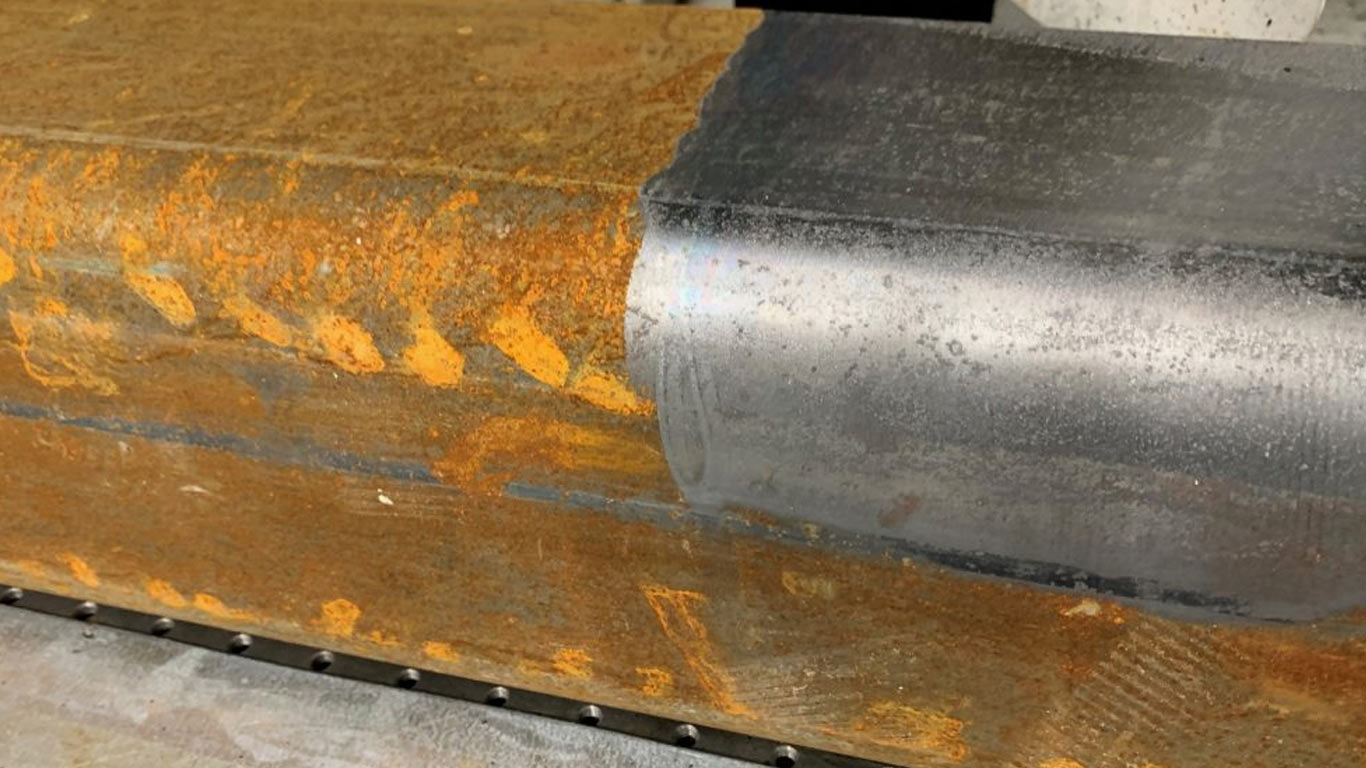
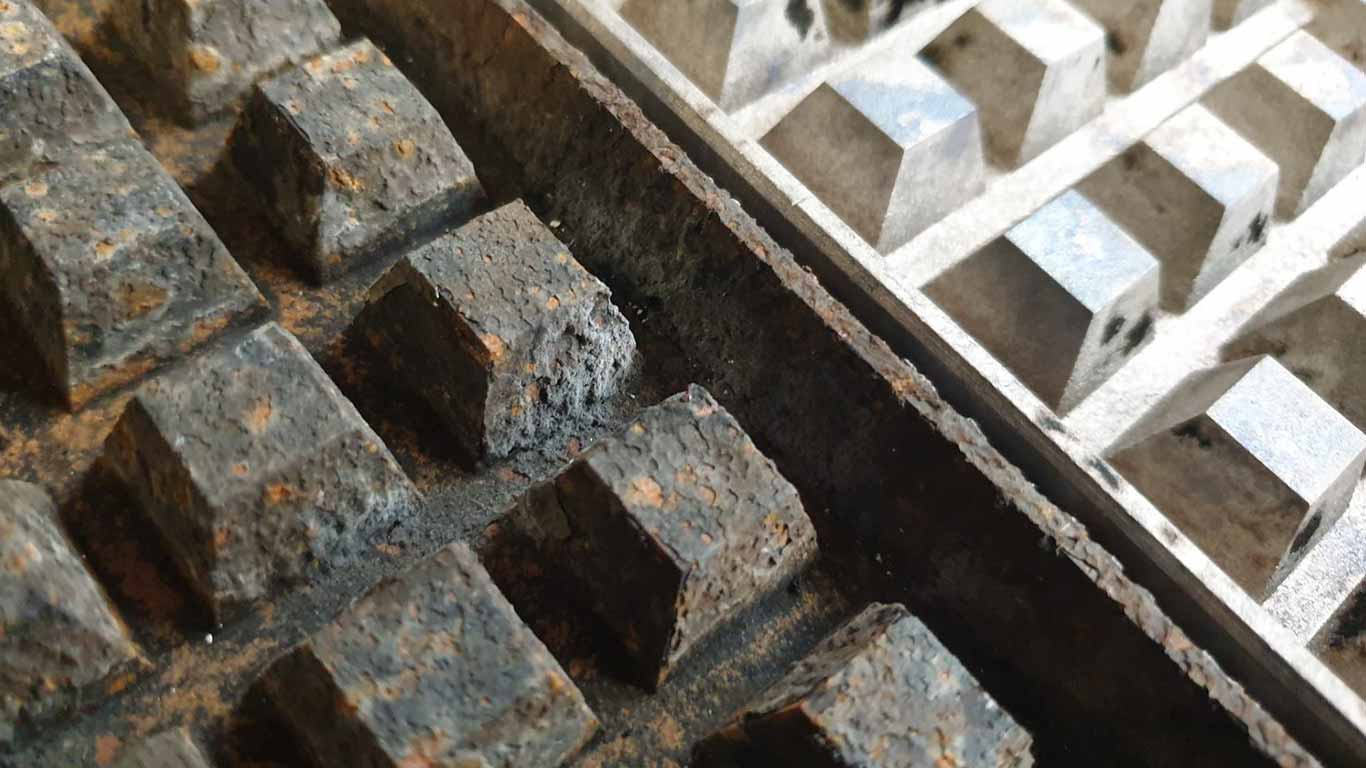
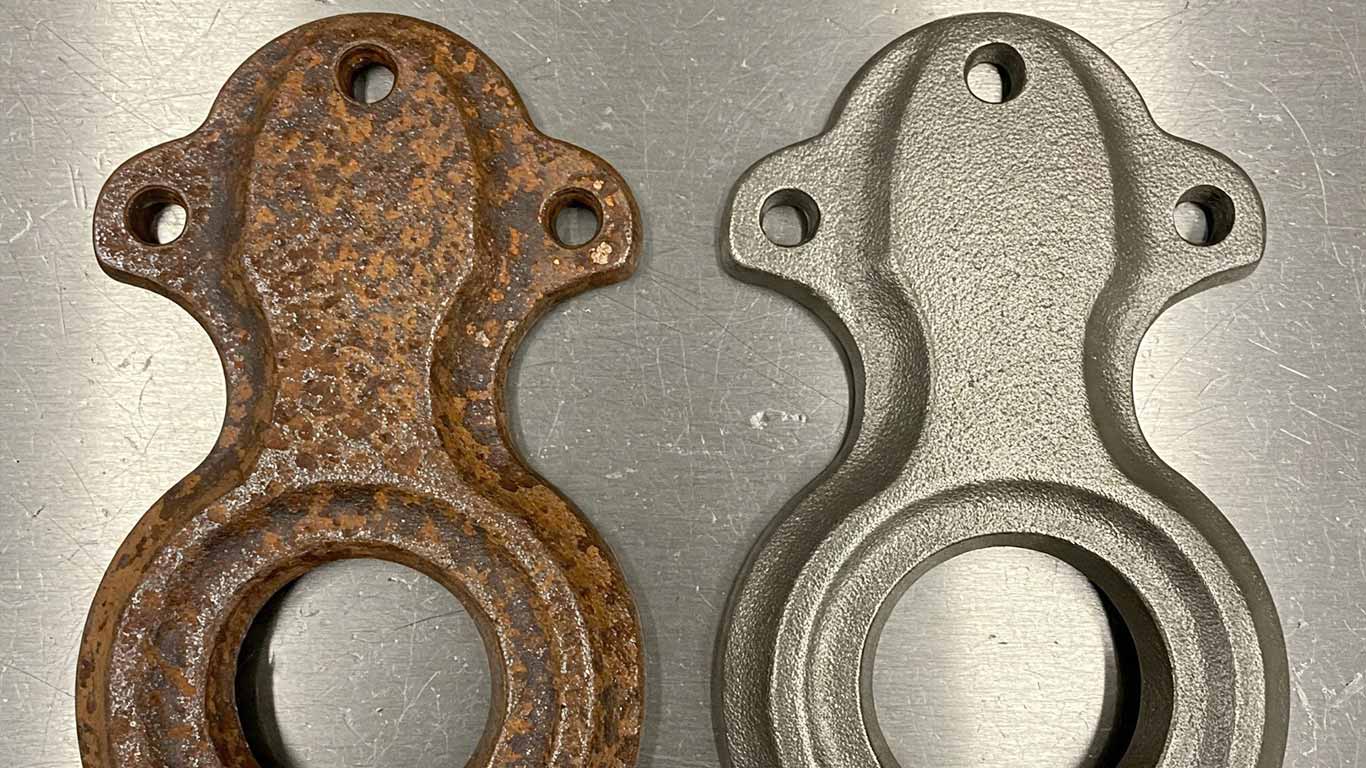
Results after laser cleaning Laser Rust Removal Bay Area
| Final results | The laser pass clears loose field rust from sound steel, but a pit that has already eaten through the plate is a repair, not a clean. |
| Speed and ease | The laser pass is dry, so it adds none of the water film wet blasting leaves on top of the 4-hour recoat clock. |
Challenges in cleaning Laser Rust Removal Bay Area
| Contaminants | The soil is rust grown in salt air on waterfront steel, and chloride keeps the rust active. |
| Methods | Blasting cuts the rust off but leaves bare steel sitting in that same salt air, where new rust starts almost immediately. |
| Challenges | Wet methods add a water film on top of that bare steel, which flash-rusts unless an inhibitor is used. |
Where a clean-looking rust pass still fails
The rust grade and the coating plan decide whether a bright, oxide-free pass is actually finished work. Pit depth, fume capture, lead paint, and coating-profile mismatch can all remain after the surface looks done.[1][2][3]
| Condition | Consequence |
|---|---|
| Heavily pitted steel comes off a laser pass bright and free of visible oxide.[1],[2],[3] | The pitting profile stays because a laser pass removes oxide, not lost base-metal section. A bright finish can still fail a thickness or structural check once someone measures it. |
| Cleaned steel sits bare and uncoated in humid or marine air.[1],[2],[3] | Bare carbon steel starts re-oxidizing within hours in that environment, so a surface that passed inspection at the end of the shift can carry new rust before the coating goes on. |
| A heavy-rust pass or a multi-pass sequence on a large area runs ahead of the fume-extraction setup on site.[1],[2],[3] | Iron oxide fume output rises with the volume of rust removed, so extraction sized for a light pass can fall behind on a heavier one and push the work face over the listed exposure limit. |
| A setting proven on plate steel gets reused on thin-gauge carbon steel carrying the same rust grade.[1],[2],[3] | Thin steel conducts heat to the back face faster and warps at a lower total energy input than plate, so a setting that cleared rust safely on thick steel can warp thin sheet before the rust is fully gone. |
| Older Bay Area structural or bridge steel goes into a rust-removal job without a lead-paint check first.[1],[2],[3] | Older coatings under the rust can contain lead, so skipping the sample means the fume and waste stream get handled as ordinary iron oxide when the lead construction rule actually applies. |
| The coating spec calls for a blast-cut anchor profile, and the job runs laser cleaning only.[1],[2],[3] | Laser cleaning removes contamination without cutting a mechanical profile, so the finish can come out smoother than that spec even though the surface reads as clean and bare. |
Sources(3 references)
- Xie, Z. et al., 'Removal mechanism of laser cleaning for inorganic thermal control coatings on aluminum alloys,' Applied Surface Science, 2023. sciencedirect.com (opens in new tab) — Substrate injury when energy overshoots inorganic film removal
- https://ui.adsabs.harvard.edu/abs/2025LMMP..tmp...15N/abstract ui.adsabs.harvard.edu (opens in new tab) — shiny metallic-color window is extremely narrow vs full parameter range
- https://pmc.ncbi.nlm.nih.gov/articles/PMC11242286 pmc.ncbi.nlm.nih.gov (opens in new tab) — laser power is the single factor most significantly affecting roughness
Related equipment

Inspect, Lock Out, Test, and Coat
Rust removal with a laser requires the same inspection steps as any other cleaning method. Workers first check the surface against ISO 8501-1 so everyone agrees on the starting condition, since rust that still covers intact mill scale is not a laser-only job and may need mechanical work too. Equipment that could move or energize the steel gets locked out before anyone starts. A small test patch on scrap or a hidden spot shows how the metal responds before the full surface gets treated. Near San Francisco Bay, humid air brings rust back fast, so a protective coat goes on soon after cleaning. Older steel gets checked for lead paint under the rust before work starts.[1]
1Sort laser work from mill scale and repair
- Do not treat intact mill scale or deep pitting as a laser-only clean
- Compare the surface to ISO 8501-1 before any cleaning starts
- Older steel gets checked for lead paint under the rust first

2Lock out equipment that holds the steel
- Secure or de-energize anything that could move the part during cleaning
- Confirm the lockout stays in place until the work is finished
3Run a test patch first
- Clean a small area on scrap or a hidden spot before the full surface
- Check how the metal responds before moving to the rest of the part
4Capture the fume as you clean
- Rust removal releases iron oxide fume that needs local capture
- Keep the capture system running for the whole cleaning pass
5Coat the steel soon after cleaning
- Bare steel near the bay rusts again fast in humid air
- Apply the coating as soon as the surface is clean and dry
- If the coating spec calls for a blast profile, that still needs blasting after cleaning
Sources(1 reference)
- NIOSH Pocket Guide to Chemical Hazards, Iron Oxide Fume cdc.gov (opens in new tab) — recommended workplace exposure limit for iron oxide fume
Structural steel, truck frames, and plate in the field


Metals most prone to this oxide layer
Steel
View details: Steel. Category: metal. Subcategory: Ferrous.Laser cleaning removes rust, mill scale, and weld discoloration from steel without media, holding fluence near a 1.5 J/cm² cleaning floor and stopping short of the 4.5 J/cm² mark that scars bare metal. Intact mill scale still needs mechanical pre-treatment under AMPP SP21511-1 first. Compare with [stainless steel](/materials/stainless-steel-laser-cleaning) or [cast iron](/materials/cast-iron-laser-cleaning) laser cleaning when the substrate is mixed, and see [weld prep](/applications/weld-prep-laser-cleaning-applications) for the fabrication step this feeds.
Iron
View details: Iron. Category: metal. Subcategory: Ferrous.Rust and mill scale come off iron without abrasive blasting the face. Thickness and moisture in that rust change the job. Cast iron with graphite at the surface does not behave like wrought stock. A freshly cleaned face flash-rusts in damp air. Energy high enough to hurt the metal will melt peaks or leave a recast skin. Useful work removes the oxide and stops before the iron itself is cut. The next coat or oil has to go on before new rust starts.
Cast Iron
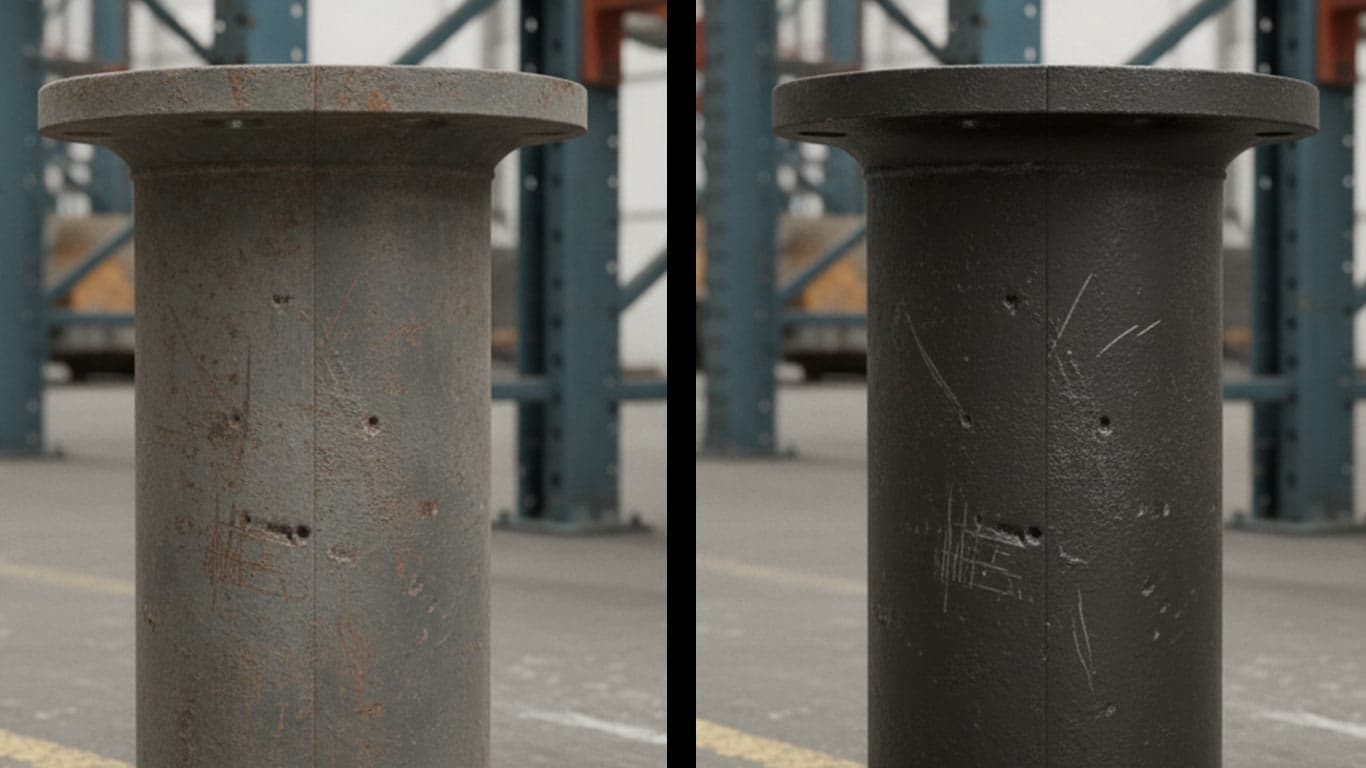
View details: Cast Iron. Category: metal. Subcategory: Ferrous.Gray and ductile cast iron keep graphite in the matrix. That graphite is supposed to stay there. Rust and foundry scale can come off with a dry laser pass when a copied steel setting is not used on a thin section or a porous face. Overheated porosity rusts faster once the job is done. Grade, a trial piece, and dust capture come before production on columns, brake parts, and fittings. Scrap of the same casting sets working energy because the usable range is tighter than on most other ferrous stock.
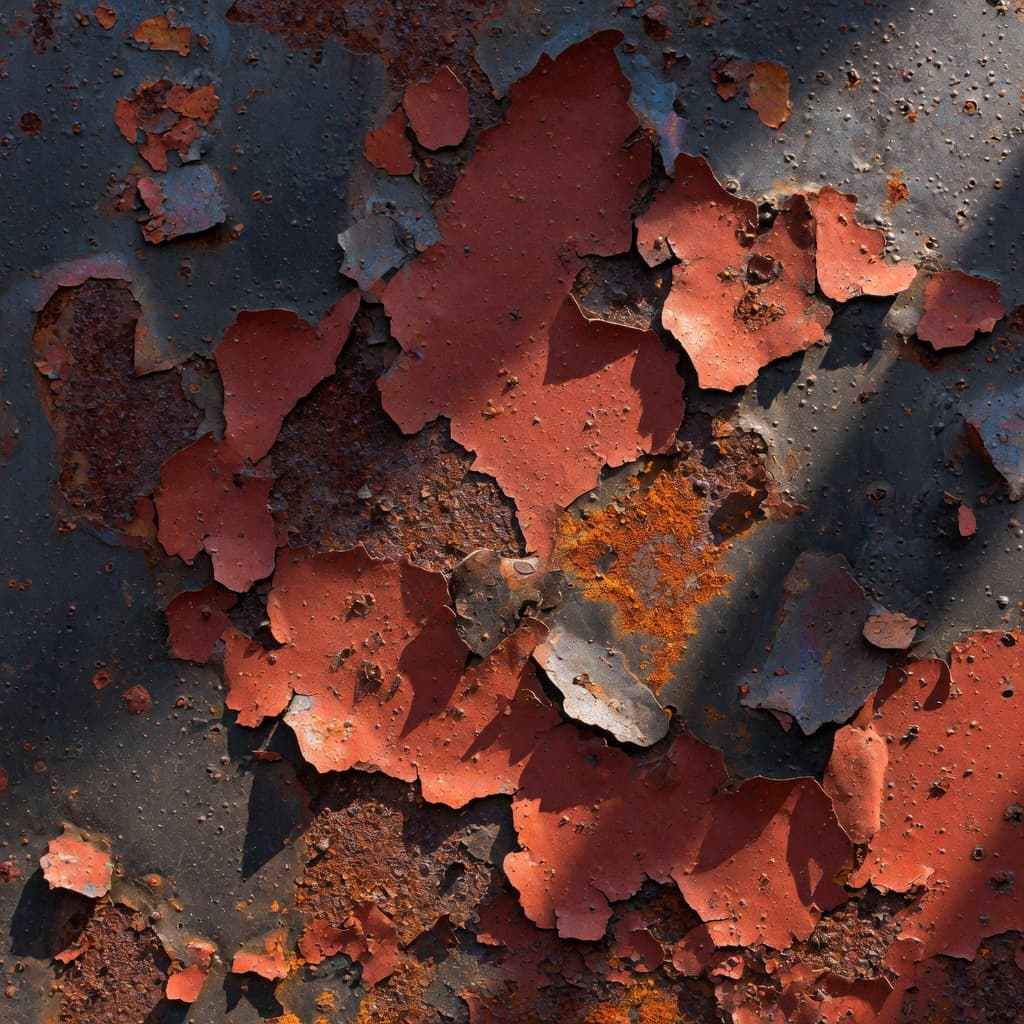
Iron oxide rust is the contaminant this rust-removal job takes off
Bay Area jobs that often follow rust removal
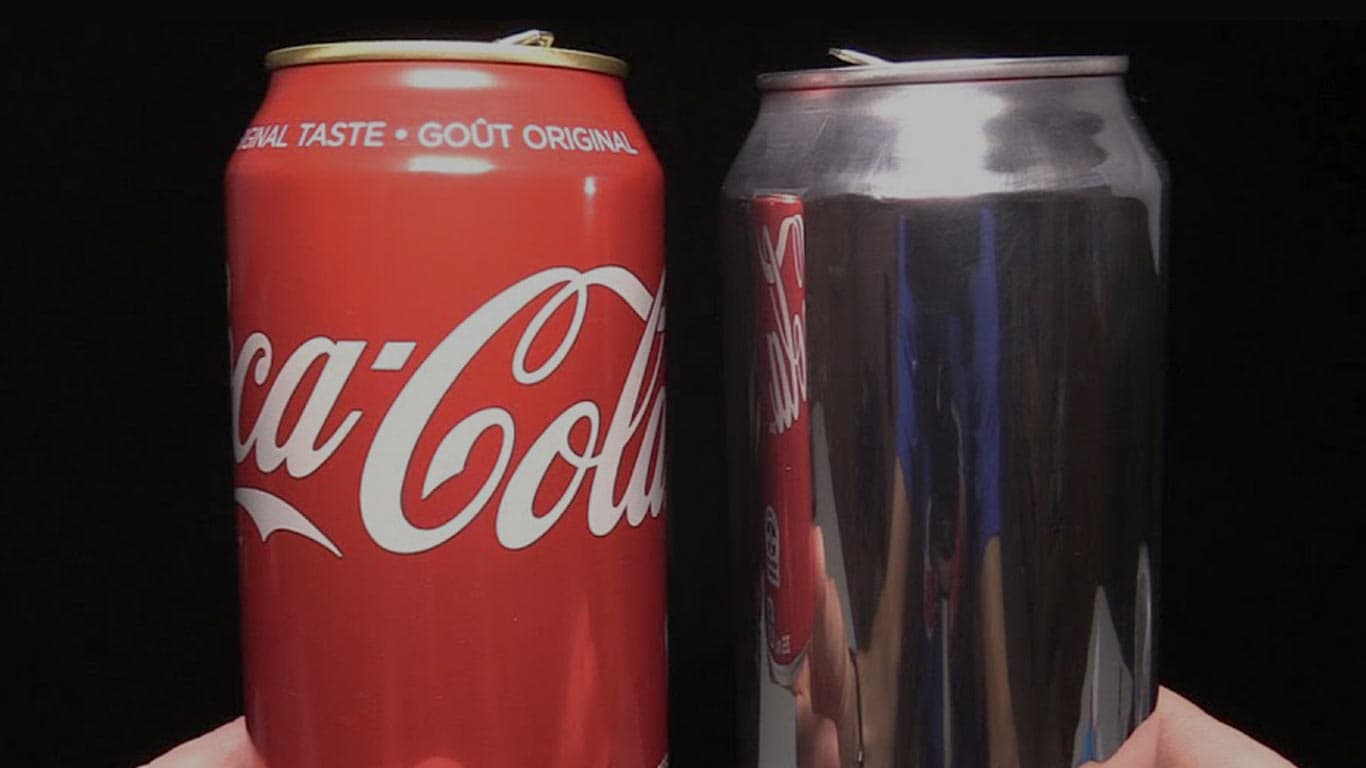
Laser Paint Coating Removal in the Bay Area
View details: Laser Paint Coating Removal in the Bay Area. Category: applications. Subcategory: Hazardous-Coatings.A Bay Area body shop stripping failed epoxy or polyurethane before recoat runs into a VOC cap near 50 grams per liter on solvent surface prep and spray-line cleanup, and older methylene-chloride paint strippers are barred from sale to industrial users after state toxics regulators listed the chemical as a priority product. A pulsed near-infrared laser removes the coating layer through thermal stress rather than solvent action, so shops can strip [aluminum](/materials/aluminum-laser-cleaning) panels and [steel](/materials/steel-laser-cleaning) frames without touching that VOC limit or generating stripped-paint waste. The exception is thick marine-grade epoxy built up over several coats, where repeated passes near rivets and seams can discolor the substrate unless the operator drops pulse energy and adds a cooling pause between rows. Shops already running [rust](/applications/laser-rust-removal-bay-area) or [lead paint](/applications/lead-paint-laser-removal-bay-area) removal on the same line can cover all three [paint coating](/contaminants/paint-coatings-laser-cleaning#substrateMatrix) jobs from one machine instead of separate chemical-stripping stations.

Laser Lead Paint Removal Bay Area
View details: Laser Lead Paint Removal Bay Area. Category: applications. Subcategory: Hazardous-Coatings.Laser lead paint removal in the Bay Area removes old lead-based coatings from painted wood, stucco, and masonry surfaces using a pulsed fiber beam instead of chemical strippers or dry sanding. The process targets [paint coatings](/contaminants/paint-coatings-laser-cleaning) layer by layer on [historic masonry](/applications/historic-masonry-restoration-laser-cleaning) and older wood trim without grinding into the substrate, so [redwood](/materials/redwood-laser-cleaning) siding and [brick](/materials/brick-laser-cleaning) veneer keep their original profile. It does not replace certified lead-abatement containment, air monitoring, or waste disposal rules that a licensed contractor still manages on site. The beam also does not clear thick intact coatings in a single pass; multiple lower-fluence passes control dust compared with abrasive blasting. Property owners choose this approach for selective work on ornamental trim, fireplace mantels, or window casings where sanding would gouge the wood grain.
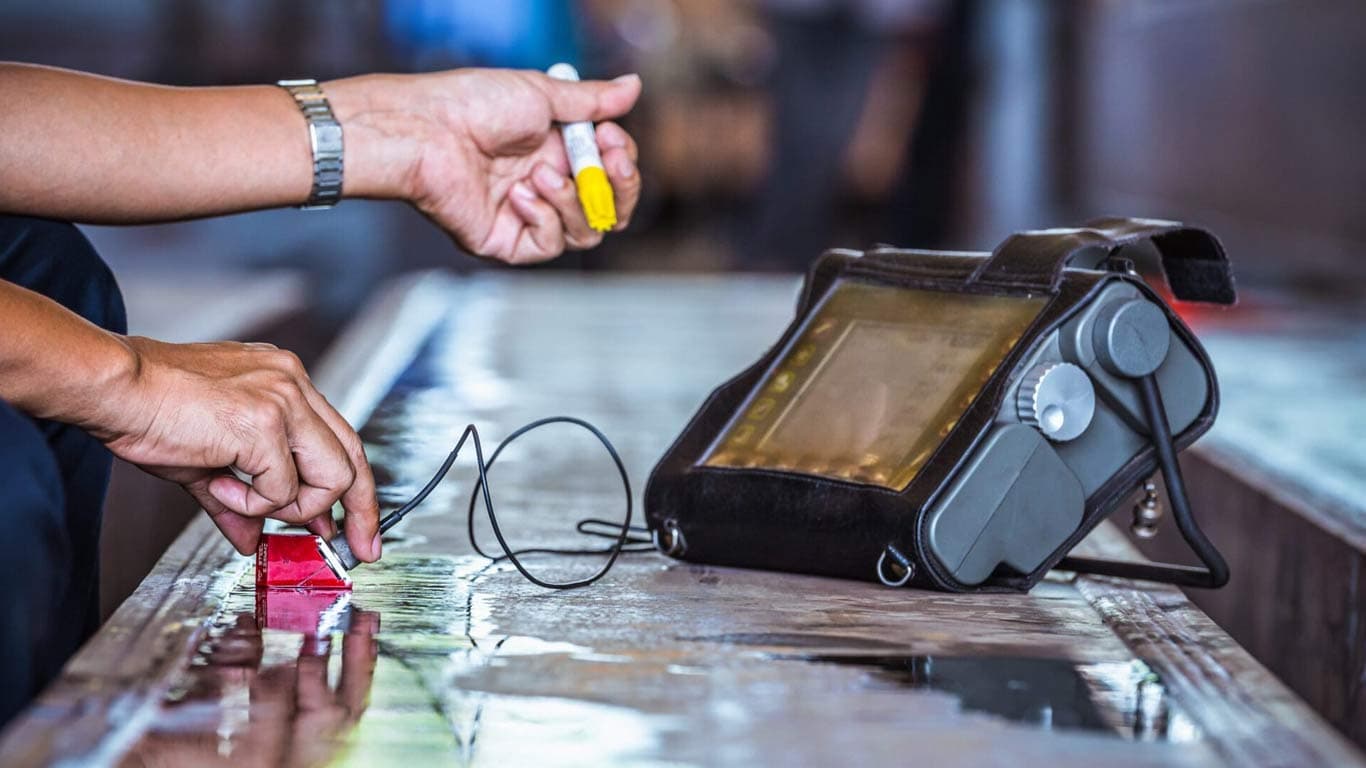
Weld Preparation Laser Cleaning Applications
View details: Weld Preparation Laser Cleaning Applications. Category: applications. Subcategory: Weld-Prep.Weld preparation laser cleaning removes rust, mill scale, oil, and drawing compound from a joint face right before the arc or beam strikes, so the fitter is not grinding or wire-brushing the same edge on a tight schedule. The laser step targets a thin surface layer only and leaves the base metal dimensions alone, which fits both carbon [steel](/materials/steel-laser-cleaning) and [stainless steel](/materials/stainless-steel-laser-cleaning) joints across [metal fabrication](/applications/metal-fabrication-laser-cleaning-applications) shops. It clears [iron oxide rust](/contaminants/iron-oxide-rust-laser-cleaning) and light mill scale from an edge in a pass or two, but it will not strip heavy, multi-layer scale in one shot, and it is not a substitute for the post-weld passivation steps covered on the [stainless steel weld passivation](/applications/stainless-steel-weld-passivation-laser-cleaning) page. A cleaned joint face still needs a qualified welder to check fit-up, gap, and preheat against the governing welding code; the laser only preps the surface, it does not certify the weld.
Sandblasting vs. Laser Cleaning
View details: Sandblasting vs. Laser Cleaning. Category: applications. Subcategory: Blasting.Laser cleaning removes the sandblast cabinet from the line on parts where grit embedment, dimensional loss, or dust containment cost more than the equipment switch. A fiber laser strips rust and coating from [steel](/materials/steel-laser-cleaning) and [cast iron](/materials/cast-iron-laser-cleaning) without throwing abrasive media, and it drops power automatically for softer stock such as [aluminum](/materials/aluminum-laser-cleaning) where a blast nozzle would otherwise cut into the base metal. Jobs that still need a fresh anchor profile before paint keep the sandblast step, since that mechanical roughening is the point of the pass.
Hydroblasting vs. Laser Cleaning for Tanks and Pipes
View details: Hydroblasting vs. Laser Cleaning for Tanks and Pipes. Category: applications. Subcategory: Blasting.Hydroblasting still earns a confined-space entry permit on tank and pipe interiors a laser beam cannot trace, since the air inside has to test above 19.5% oxygen before anyone goes in. Laser cleaning skips that same permit duty on open [steel](/materials/steel-laser-cleaning) tanks and [stainless steel](/materials/stainless-steel-laser-cleaning) vessels, since no water or confined entry is required for an exterior pass the beam can trace in open air. Interior pipe runs and recessed welds a beam cannot see into still keep the hydroblasting step for that geometry, while [concrete](/materials/concrete-laser-cleaning) and [aluminum](/materials/aluminum-laser-cleaning) surfaces favor the laser pass since repeated water exposure there carries its own long-term risk. A Bay Area job running both methods on one vessel still answers to the same OSHA 1910.146 and Cal/OSHA Title 8 confined-space duty inside the tank, no matter which tool clears the interior.
Air quality, lockout, lead, and coating delay after rust removal
Regulation here governs what the job actually does, not that a laser is involved. A pass limited to oxide on exposed steel sits outside the local sandblasting rule, but any abrasive step added for stubborn pits pulls the whole job back under that permit. Cleaning rust from equipment that stays bolted in place counts as servicing, so stored energy gets locked out before the beam starts. Rust sitting over old paint can be hiding lead underneath, so that layer needs testing before anything aggressive touches it. Airborne iron oxide fume carries its own listed exposure limit, one worth checking against measured air rather than assuming a number. Near the coast, bare steel starts rusting again within hours of cleaning, which means the coating step has to follow close behind, not get scheduled for later in the week.[1][2][3][4][5][6][7][8]

BAAQMD
View official documentation (opens in new tab)Rule 4 covers abrasive blasting and its visible emissions, not laser cleaning. A job that still uses blasting for stubborn pits remains under this permit even if a laser handled the rest of the surface.[1]
Cal/OSHA
View official documentation (opens in new tab)Table AC-1 lists iron oxide fume as a regulated airborne contaminant. Plan fume capture around that listing rather than guessing at a number for how much the job produces.[2]
Cal/OSHA
View official documentation (opens in new tab)Cleaning steel that stays mounted on equipment counts as servicing. Stored energy gets locked out before anyone starts the beam.[3]
Cal/OSHA
View official documentation (opens in new tab)Older coatings hiding under rust may contain lead. That layer needs testing before anything aggressive disturbs it.[4]
SSPC
View official documentation (opens in new tab)Coating practice often limits the hours allowed between surface prep and primer. Flash rust in marine air can force a second pass of prep before the coating goes on.[8]
Sources(8 references)
- BAAQMD Regulation 12, Rule 4 Sandblasting baaqmd.gov (opens in new tab) — visible-emission limits written for abrasive blasting
- 8 CCR section 5155 Airborne Contaminants dir.ca.gov (opens in new tab) — Table AC-1 lists iron oxide fume
- 8 CCR section 3314 Control of Hazardous Energy dir.ca.gov (opens in new tab) — machine locked out before cleaning starts
- 8 CCR section 1532.1 Lead in Construction dir.ca.gov (opens in new tab) — disturbing lead coatings brings monitoring and containment
- SSPC maximum delay of four hours between surface preparation and coating youtube.com (opens in new tab) — four hours between prep and coat
- ANSI Z136.1 — Safe Use of Lasers webstore.ansi.org (opens in new tab) — Source data for Laser Cleaning — description
- SSPC-SP10 / ISO 8501-1 Sa 2.5 — Near-White Blast Cleaning surface-preparation standard sspc.org (opens in new tab) — Source data for Sandblasting — description
- sspc-surface-prep-commentary
Laser vs Abrasive Blasting vs Dry Ice for Rust Removal
Abrasive blasting removes rust by throwing steel grit or silica media at the surface, so the job needs a contained booth or tented area, a plan for capturing spent media, and disposal of the used grit as solid or hazardous waste when old paint carries lead. Dry ice blasting swaps that media for sublimating carbon dioxide pellets, which leaves no mineral grit on the ground, but the dislodged rust and paint chips still need containment and cleanup, and dry ice struggles against adhering mill scale or deep pitting the way abrasive media does not. Pulsed laser rust removal sends the ablated oxide into a fume extractor instead of a blast enclosure, which keeps the job outside the outdoor abrasive-blast permit rules that apply to grit blasting in California. Laser removes field rust once mill scale has already weathered off the surface; intact mill scale still needs a mechanical or abrasive pass before a laser finishes the job.[1][2][3][4][5][6][7][8][9][10][11][12][13][14][15][16][17][18]
| Method | Cost per 100 sq ft | Hourly Rate | Consumables/hr | Setup Cost | Cleaning rate | Surface damage |
|---|---|---|---|---|---|---|
| Sandblasting / Abrasive Blast | 425 USD | 145 USD/hr[7] | 55 USD/hr[3] | 200 USD[8],[9] | 150 sq ft/hr[2],[3],[4] | High: Abrasive action creates measurable surface profile (1.5–4 mils anchor pattern on steel). Causes pitting, warping, or erosion on softer or delicate materials.[1] |
| Soda Blasting | 329 USD | 155 USD/hr | 90 USD/hr | 175 USD | 200 sq ft/hr | Low to moderate: Softer than sand or grit at Mohs 2.5. Does not create significant surface profile on steel. Can etch soft metals (aluminum, copper) or sensitize wood grain. |
| Dry Ice Blasting | 750 USD | 350 USD/hr[7],[11] | 150 USD/hr[11],[12],[13] | 550 USD | 200 sq ft/hr[10] | Low to minimal: Non-abrasive thermal shock mechanism; dry ice sublimates on impact with no surface profile or residue. Some thermal stress risk on heat-sensitive substrates. |
| Dustless Blasting | 641 USD | 375 USD/hr | 80 USD/hr | 250 USD[8] | 130 sq ft/hr | Moderate: Water suppression reduces abrasion heat and dust, but abrasive media still creates surface profile.[1] |
| Laser Cleaning | 500 USD | 400 USD/hr[16],[18] | 0 USD/hr | 0 USD | 80 sq ft/hr[15],[16] | Minimal to none: Non-contact ablation vaporizes contaminants without abrading or mechanically stressing the substrate. Parameter-controlled at 300W (Netalux Kamino class).[14] |
Sources(18 references)
- SSPC-SP10 / ISO 8501-1 Sa 2.5 — Near-White Blast Cleaning surface-preparation standard sspc.org (opens in new tab)
- How to Bid on an Abrasive Blasting Project and Profit — Graco Contractor Guide graco.com (opens in new tab)
- Abrasive Blast Consumption, Production and Cleaning Rates — Technical Bulletin kleenblast.com (opens in new tab)
- AP42 Section 13.2.6: Abrasive Blasting — EPA Emissions Factor Documentation gaftp.epa.gov (opens in new tab)
- BAAQMD Regulation 12, Rule 4 — Sandblasting baaqmd.gov (opens in new tab)
- 8 CCR §1532.1 — Lead in Construction dir.ca.gov (opens in new tab)
- Dry Ice Blasting vs Sand Blasting vs Soda Blasting — 2026 Comparison dryicen.com (opens in new tab)
- How to Properly Contain a Site for Abrasive Blasting — Graco Contractor Guide graco.com (opens in new tab)
- Sandblasting Containment Methods: A Compliance Guide southernsandblastingandpainting.com (opens in new tab)
- Mold, Smoke & Fire Remediation with Dry Ice Blasting — Cold Jet Production Rates coldjet.com (opens in new tab)
- How Much Does Dry Ice Blasting Cost? 5 Key Factors to Consider aiolith.com (opens in new tab)
- The Definitive Guide to Dry Ice Blasting — Cold Jet info.coldjet.com (opens in new tab)
- Dry Ice Blasting Business | Revenue, Margins & Startup Cost bizbite.io (opens in new tab)
- ANSI Z136.1 — Safe Use of Lasers webstore.ansi.org (opens in new tab)
- Top 5 Industrial Laser Cleaning Machines for Rust Removal in 2026 arcuscnc.com (opens in new tab)
- Cost of Laser Rust Removal in 2026: $80-$300/hr Service | $0.50/hr to Operate fiberlaserclean.com (opens in new tab)
- BAAQMD Regulation 6 — Particulate Matter, Common Definitions and Test Methods baaqmd.gov (opens in new tab)
- Laser Cleaning Service Cost Per Square Foot 2026: The Ultimate Guide cklasersz.com (opens in new tab)
What happens to the steel, the dust, and the plant during a rust job
Does the laser damage the steel underneath field rust?
Field rust absorbs 1064 nm[11] fiber-laser energy far more than the bare steel underneath it, so the oxide heats and breaks away while the metal reflects most of that same energy and stays close to room temperature. A small test patch runs before the full face, because pushing the setting too far for a given plate can scorch the steel once the oxide is gone. Pits that older rust already ate into the plate stay.
What happens if rust has eaten pits into the plate?
Light to moderate field rust comes off down to bare metal with the laser alone, since that oxide is only a surface film. Once rust has eaten pits into the plate, the oxide still comes off, but each pit is missing steel rather than a film sitting on it. Pit depth only shows up once someone looks at the surface in person, so a quote waits for that look instead of a guess from a.
Where does the dust go once the rust comes off?
The oxide leaves the surface as fume and fine particulate right at the beam, and a capture nozzle beside the head pulls it into filtration before it drifts into the surrounding air. Iron oxide fume sits on the federal list of airborne workplace contaminants, so that capture stays running whether the pass happens indoors or outside. What leaves the site afterward is loaded filter media by the pound, not drums of mixed grit and rust.
What if the rust is hiding lead paint underneath?
Older Bay Area bridge steel, cranes, and plant frames often carry lead coatings under the oxide. California's lead-in-construction rule brings monitoring and containment duties once that coating is disturbed, on top of the ordinary rust job. Testing suspect paint happens before a price goes out. If the test comes back positive, the coating comes off under those controls first, and the rust work follows inside that same job instead of running ahead of it.
Can the rest of the plant keep running during the job?
The beam throws no abrasive grit and needs no wash water, so neighboring lines keep running during the pass. The loudest machine on the floor is usually the extractor, not the laser. The work itself still needs a controlled area, barriers plus rated eyewear for anyone standing inside that zone, which is a small cordoned footprint next to live production rather than a shutdown.
Sources(4 references)
- The Fundamental Mechanisms of Laser Cleaning Technology and Its Typical Applications in Industry mdpi.com (opens in new tab) — rust absorbs laser energy more readily than bare steel
- Rust vs Corrosion, Key Differences and Surface Preparation Implications montipower.com (opens in new tab) — rust grades run from light stain to deep pitting
- Hou, L. et al.: A review of thermal effects and substrate damage control in laser cleaning, Optics and Laser Technology, 2024 sciencedirect.com (opens in new tab) — a 1064 nm laser needs thermal control to avoid substrate damage
- Protect Your Family From Sources of Lead epa.gov (opens in new tab) — EPA identifies lead-based paint as a hazard once disturbed

