


Video
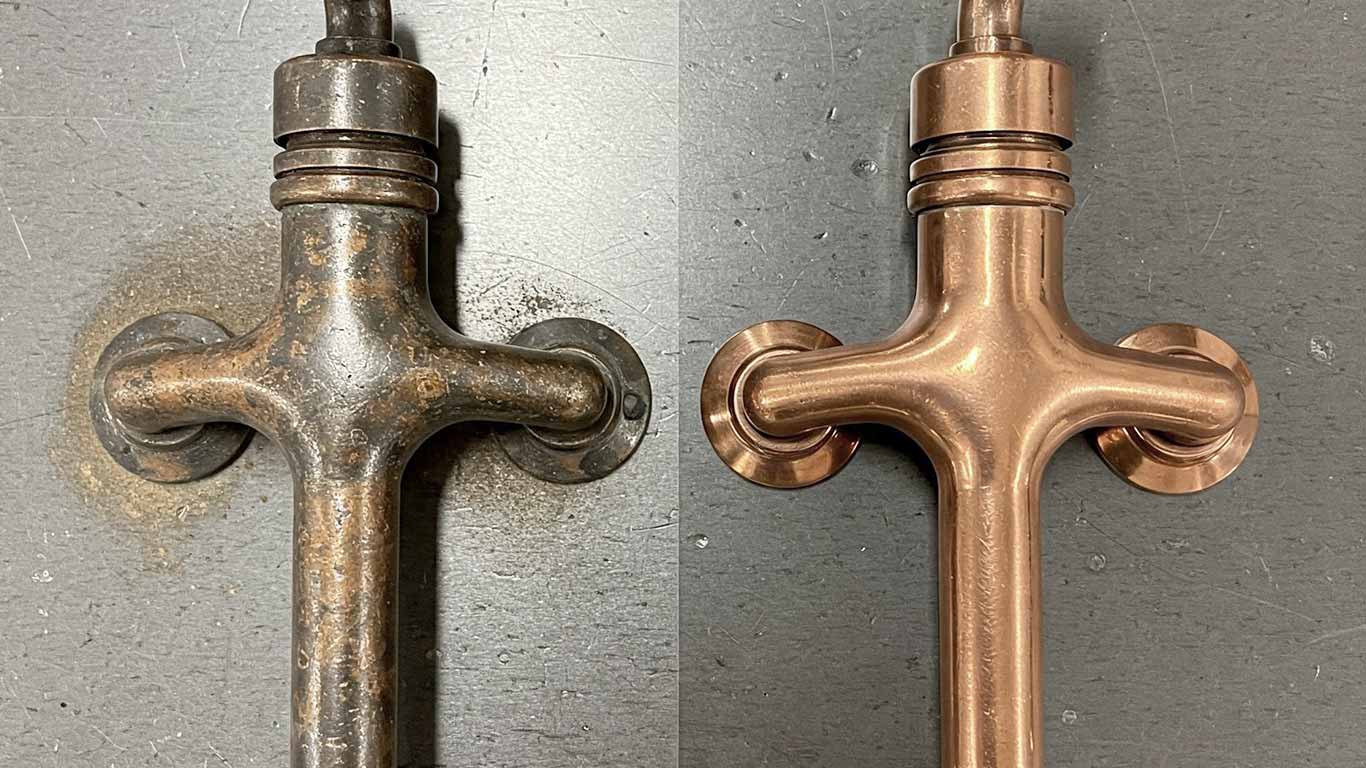

Oxide, tarnish, and work soil come off copper because the film absorbs more readily than the bright metal underneath. The metal carries heat away quickly. A freshly cleaned face becomes highly reflective. A thin sheet can warp and a weld prep can stay too hot. Decorative patina and process oxide are not the same job. Energy high enough to hurt the metal will dull or ripple the surface. Useful work removes the oxide and stops before the copper itself starts to melt or stain.
| Final results | Copper patina, metallic surface deposits, fire char and weathering, and paint come off the copper, and the copper stays unetched. |
| Speed and ease | The laser clears the patina and deposits, without the legacy copper pickle, which otherwise runs from about 5 minutes hot to a couple of hours cold, plus its rinse. |
| Contaminants | Tarnish, metallic deposits, soot, and paint. |
| Methods | On copper alloys, blasting and hard polishing chew soft detail, and an acid dip is the usual way to strip tarnish. |
| Challenges | Oxalic acid dwell on copper must stay under 10 to 20 minutes, so the timing has to be watched rather than left to run. A nitric acid dip for copper specimens is capped at 30 seconds to 1 minute maximum, so longer exposure over-etches the surface. |
Published oxide removal on copper sits between 0.22 and 0.31 joules per square centimeter, with surface melting reported below half a joule per square centimeter on smooth stock. The wider alloy-family band runs 1.5 to 4 joules per square centimeter, narrower than steel or aluminum, so operators hold energy near the low end and watch the face as it climbs. A Q-switched Nd:YAG study on deoxidized copper found pre-oxide thickness shifts how the surface absorbs light at 1064 nanometers, one reason two parts from the same bar can behave differently (d-nb laser deoxidized copper 2024). 52 of 52 pulsed machines in-window. Parity basis: datasheet max pulse energy (mJ) only · pulsed · ~1064 nm · shared contaminant thresholds · modeled spot (not a certified cross-OEM test).
Copper work starts with naming the alloy and staging capture, not with a borrowed energy setting. A busbar recipe copied onto heritage patina, or a brass number run on pure copper, usually marks the face before the film is gone.[1]
Copper carries a tensile strength near 210 megapascals and a density near 8,960 kilograms per cubic meter, with thermal conductivity near 400 watts per meter kelvin pulling heat away from the spot faster than most peer metals (MatWeb material property data). That conductivity is also why electrical busbars favor copper, and why a short-pulse near-infrared source stays the usual class for cleaning it.
| Parameter | Value |
|---|---|
| Canonical substrate | Copper / bronze family |
| Tensile strength | 210 MPa |
| Density | 8,960 kg/m³ |
| Thermal conductivity | 400 W/m·K |
| Typical wavelength | 1064 nm, pulsed |
| Pulsed fleet in-window | 52 of 52 |
Dry copper laser cleaning still throws metal dust and fume, so capture answers to the same chemical-exposure rules as any other metal job. OSHA's chemical data entry, California's Title 8 Section 5155, and BAAQMD Regulation 6 set the dust, airborne, and visible-plume limits that decide when exhaust is mandatory.[1][2][3]

OSHA's chemical data entry 538 sets the federal dust and fume limit for copper during dry laser removal.[1]

Title 8 Section 5155 sets the California airborne contaminant table that governs copper dust and fume once it reaches the breathing zone.[2]

Regulation 6 caps visible plume at Ringelmann No. 1 for no more than three minutes an hour on Bay Area copper jobs.[3]
Copper reflects roughly ninety-five percent of 1064 nanometer light on a bright face. Oxide films that are nearly transparent at that wavelength lift through heat conducted from the metal below rather than direct film absorption. Coupon literature places oxide removal from about 0.22 to 0.31 joules per square centimeter. Surface melting is reported below half a joule per square centimeter on smooth stock (Laser Cleaning Tests on Archaeological Copper Alloys). That gap is why operators treat copper as the tightest non-ferrous band on the chart and inspect between every energy step.
Copper jobs fail less from the laser itself than from a skipped classification step. Running a busbar number on heritage patina, or a brass figure on pure copper, tends to mark the face before the unwanted film is gone, and an open-air setup without exhaust can breach copper dust limits even when the surface still looks clean. A review of heritage copper and bronze laser work documents the same pattern across conservation sites (LACONA XI conservation proceedings).
| Condition | Consequence |
|---|---|
| No local exhaust for copper-bearing dust[1] | Operator exposure above copper dust and fume limits |
| Alloy class skipped before production energy[1] | Heat tint or an uneven film on the wrong alloy band |
| Heritage patina treated as a production oxide strip[1] | Noble cuprite layer melts before the reactive crust clears |
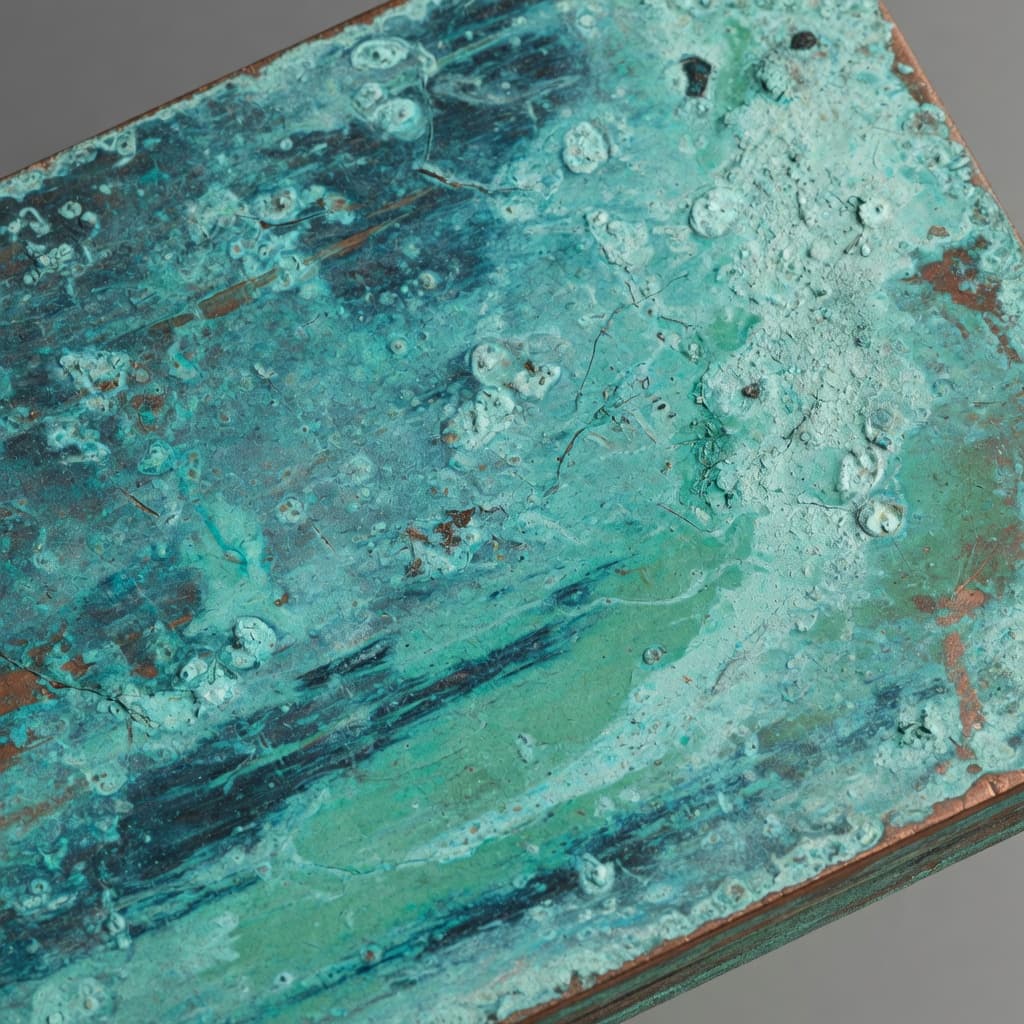
Laser cleaning strips copper patina, the greenish or brown corrosion film copper and bronze build over years outdoors, without the wire brushing or acid dips that scratch or stain the metal underneath. The beam ablates the oxide and carbonate layers in place, so a roof panel, statue, or busbar keeps its original surface profile through the pass. It will not reverse a deep pit already etched into the metal, match a patina shade a conservator wants kept, or clear a large surface in one blanket setting; patina thickness and age both change how many passes a job needs before the copper is ready for inspection.
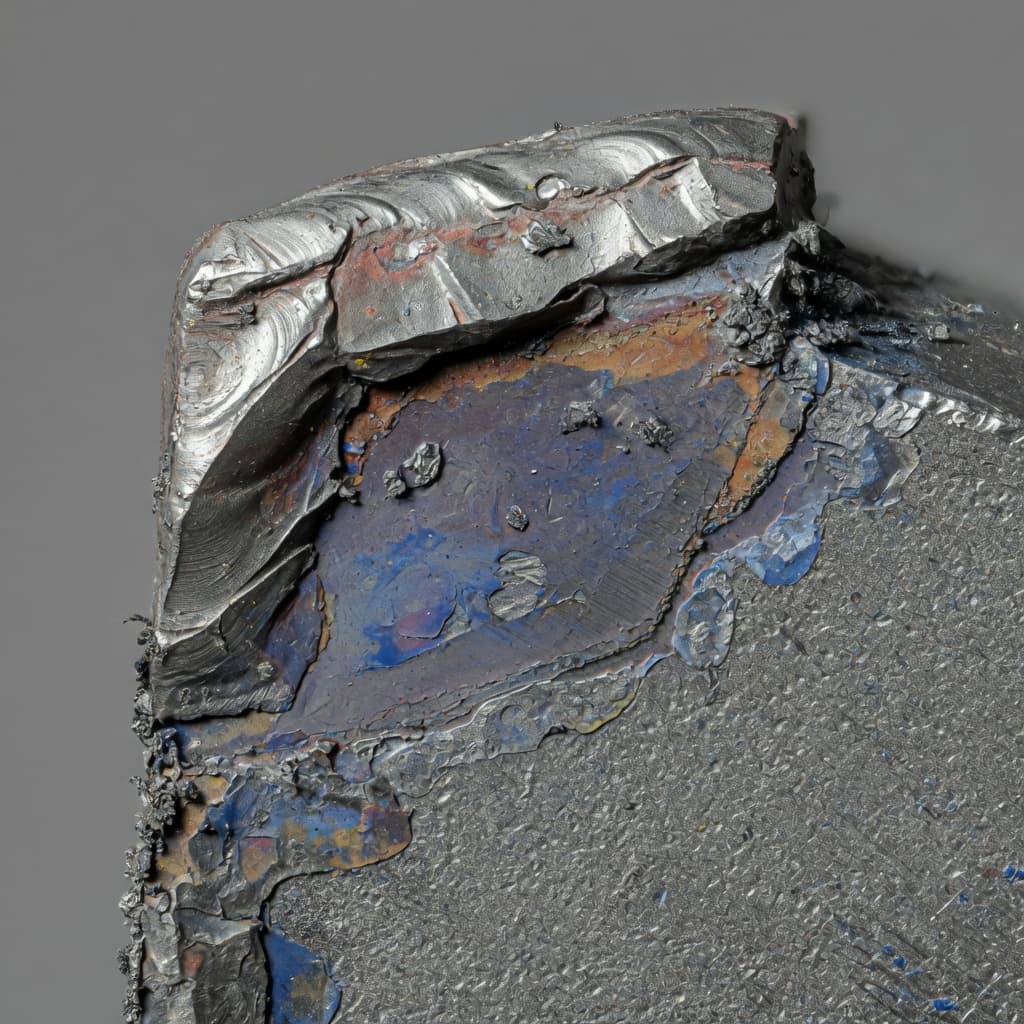
Requires reading the deposit-substrate pair before setting energy, because a [built-up edge](/materials/aluminum-laser-cleaning) on a carbide insert and the same cold-welded smear on a [tool-steel](/materials/tool-steel-laser-cleaning) die do not clear at the same fluence. The deposit got there by mechanical transfer, pressure welding during machining, adhesive wear between sliding parts, or hot workpiece pickup on a die, not by a chemical reaction with the base metal, so a matching offcut decides the setting rather than a rust or oxide default. Built-up edge on cutting tools forms when chip material pressure-welds to the rake face, work-hardens, and seizes the tip, the same transfer path that shows up as galling on dies and as hot pickup on a [tungsten-carbide](/materials/tungsten-carbide-laser-cleaning) cutting edge.
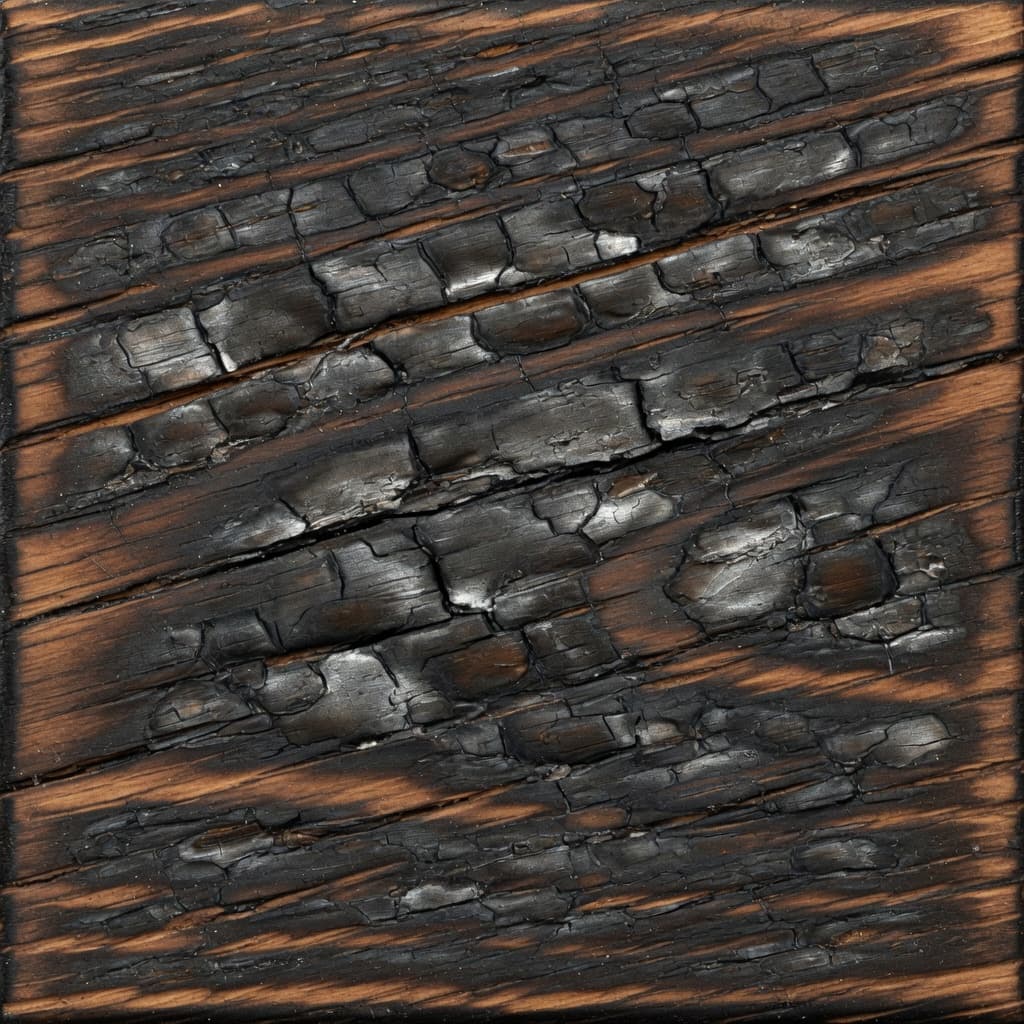
Loose soot and bonded char leave brick, concrete, and painted exterior trim under a dry pulsed near-infrared pass that replaces water, chemical sponges, and grit. Burned drywall paper and timber that already lost structural backing stay outside this page, and any wood still needs a scrap coupon before production settings.
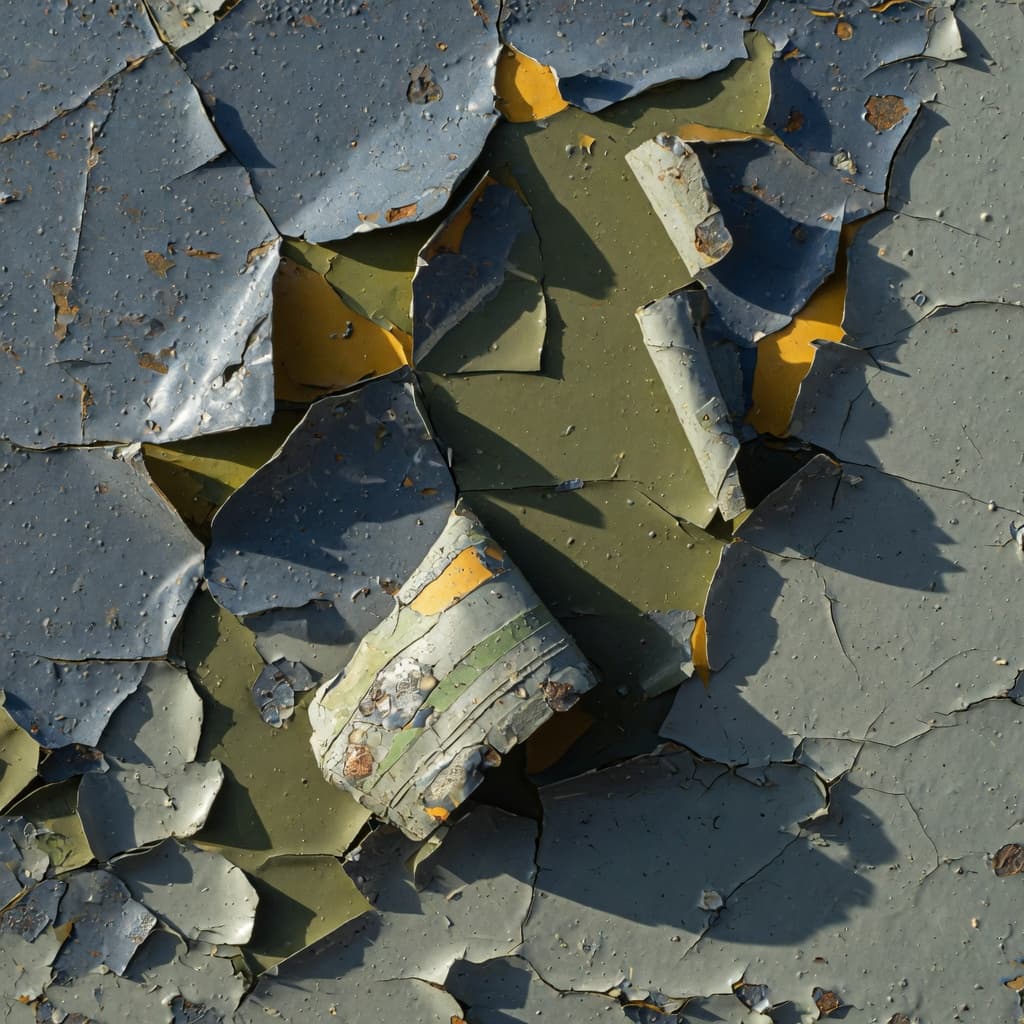
Requires matching the paint system and substrate pairing before setting energy, because a thin single topcoat on [steel](/materials/steel-laser-cleaning) clears at a fraction of the fluence a multilayer primer stack on [aluminum](/materials/aluminum-laser-cleaning) needs, and the substrate sets its own ceiling once the coating is gone. Paint sits as an applied, cross-linked polymer film bonded by mechanical keying and resin adhesion, not a corrosion product, so pigment load and binder chemistry decide more of the setting than the substrate alone. A surface-integrity study on laser-cleaned aluminum alloy carrying a paint layer documents that a visually bare finish does not by itself confirm the metal underneath escaped the pass undamaged (Applied Optics, 2024).
No, alloy chemistry shifts how soon the face melts, so brass, bronze, and pure copper do not share one coupon band. Confirm which alloy sits on the bench and run a dedicated test coupon for that material before committing to a production energy setting.
Dry copper cleaning still counts as metal particulate work under OSHA's copper dust and fume limits, so local exhaust needs to run at the head for the whole job, not only during the highest-energy passes.
Stripping a monument's full green patina is a conservation call, not a production default, and a laser diagnostic study on historical copper patina found Raman or cross-section work is what decides which reactive crust comes off and which noble layer stays (Vienna copper patina laser diagnostics 2023). See the copper patina brief when heritage scope applies, since the answer changes with the object, not with the machine.
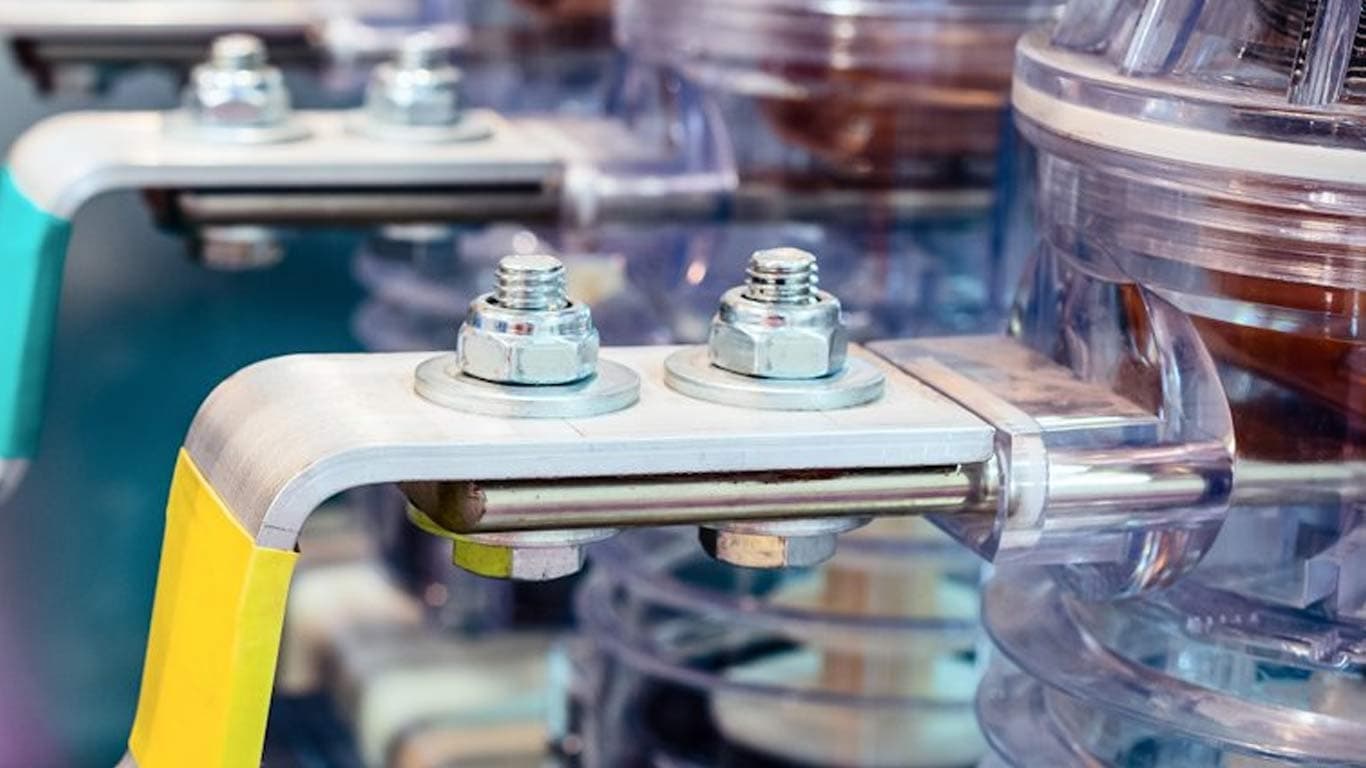
Laser cleaning removes oxide film and surface soil from copper and aluminum battery busbars before welding, laser bonding, or conductive coating, restoring the bare metal contact that resistance and adhesion depend on. The busbar carries high current between cells and modules, so a thin insulating oxide layer raises joint resistance and can cause a weld to skip or a bond to fail partway through assembly. The process does not reshape, punch, or cut the busbar, and it does not replace mechanical deburring where stamping leaves a heavy burr along the edge. It also will not clear potting compound or insulation bonded to the surface; that calls for a different removal step entirely. Fine energy control matters because thin copper or nickel-plated foil warps or discolors well before thicker stock would. See [automotive EV laser cleaning](/applications/automotive-ev-laser-cleaning-applications), [copper laser cleaning](/materials/copper-laser-cleaning), [aluminum laser cleaning](/materials/aluminum-laser-cleaning), and [oxide scale removal](/contaminants/oxide-scale-laser-cleaning) for related substrate and contaminant detail.

Semiconductor cleanroom tooling leaves the bay so a pulsed head can lift process film from open faces without throwing grit into ISO air. [Stainless steel](/materials/stainless-steel-laser-cleaning) shields, [aluminum](/materials/aluminum-laser-cleaning) kits, and [titanium](/materials/titanium-laser-cleaning) parts go back only after extraction and a real cleanliness check, not a bright-metal look. Wet recovery that still uses HF is a different job than [injection-mold tooling](/applications/injection-mold-tooling-laser-cleaning).
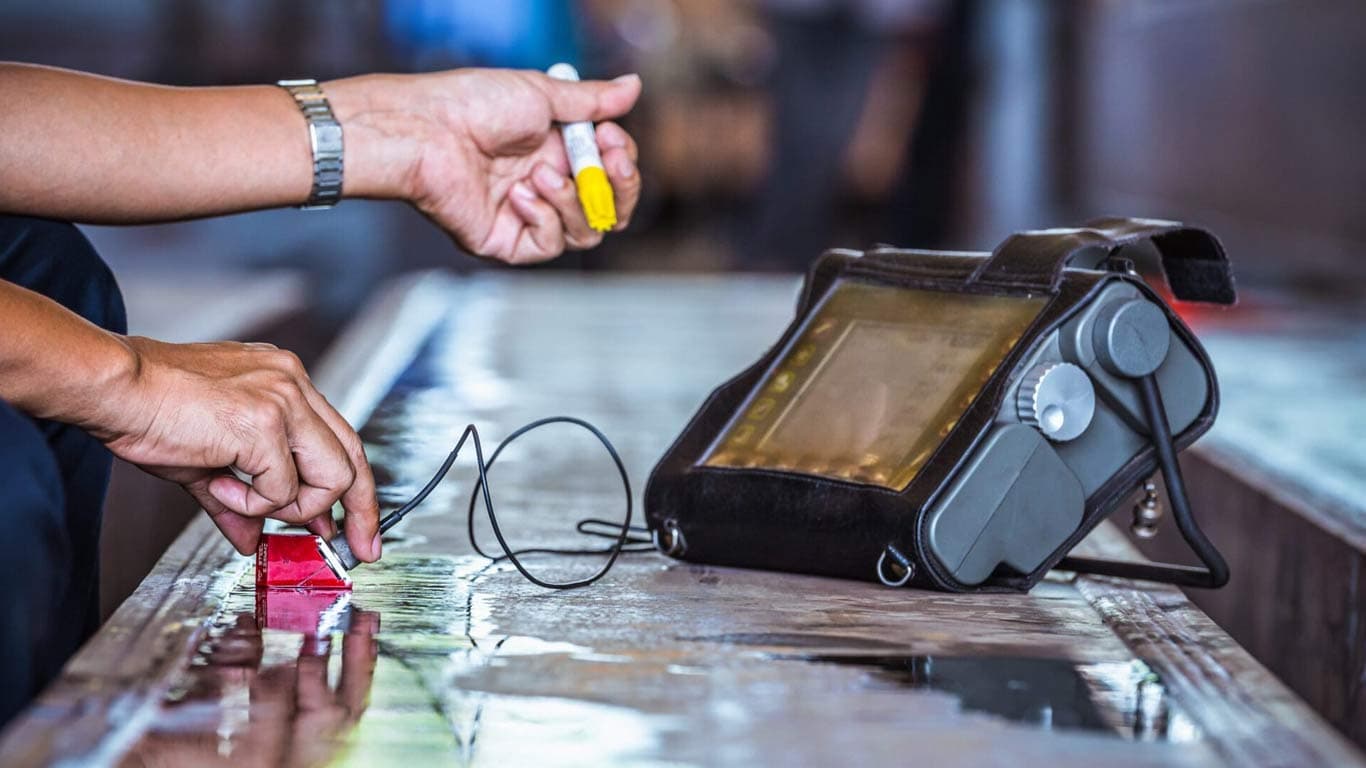
Weld preparation laser cleaning removes rust, mill scale, oil, and drawing compound from a joint face right before the arc or beam strikes, so the fitter is not grinding or wire-brushing the same edge on a tight schedule. The laser step targets a thin surface layer only and leaves the base metal dimensions alone, which fits both carbon [steel](/materials/steel-laser-cleaning) and [stainless steel](/materials/stainless-steel-laser-cleaning) joints across [metal fabrication](/applications/metal-fabrication-laser-cleaning-applications) shops. It clears [iron oxide rust](/contaminants/iron-oxide-rust-laser-cleaning) and light mill scale from an edge in a pass or two, but it will not strip heavy, multi-layer scale in one shot, and it is not a substitute for the post-weld passivation steps covered on the [stainless steel weld passivation](/applications/stainless-steel-weld-passivation-laser-cleaning) page. A cleaned joint face still needs a qualified welder to check fit-up, gap, and preheat against the governing welding code; the laser only preps the surface, it does not certify the weld.
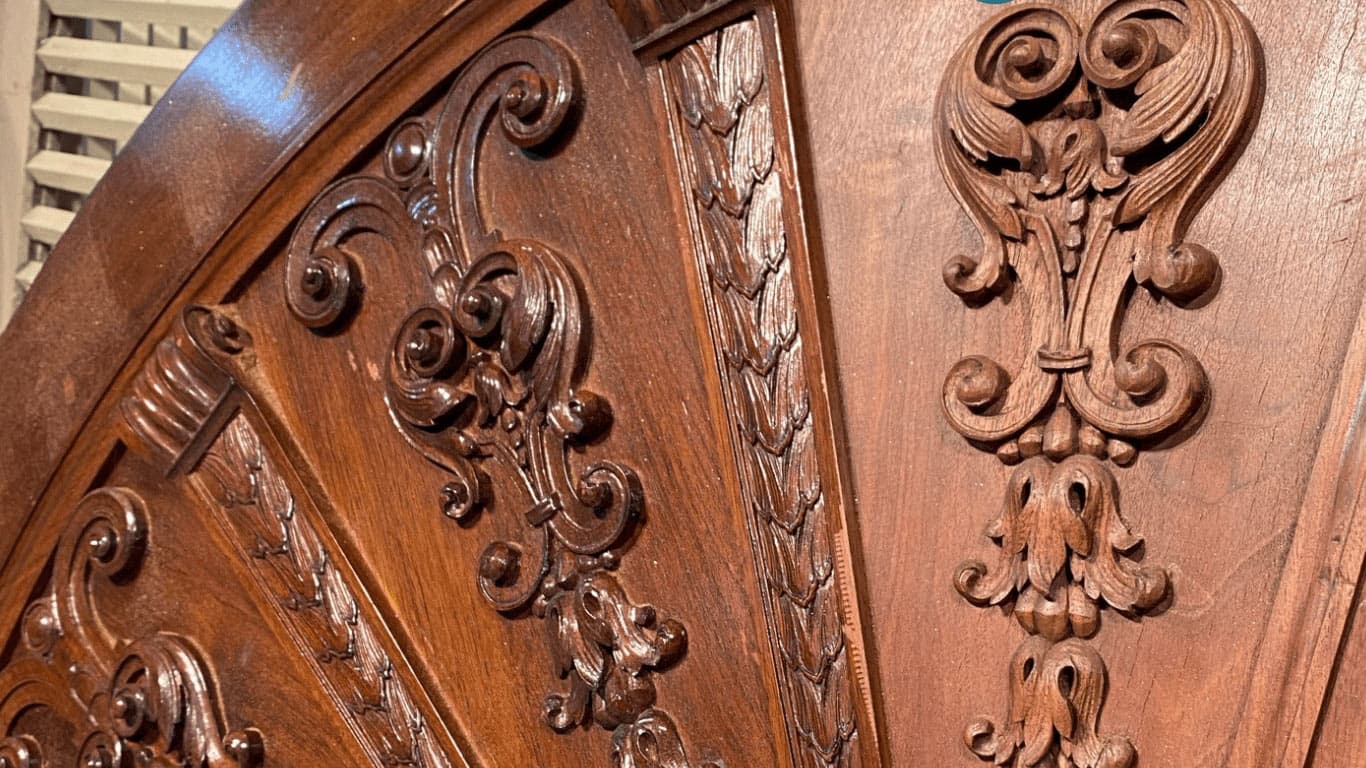
Landmark facade work requires a hidden test patch before pulsed laser cleaning touches any visible elevation. The pass removes soot, pollution crust, and graffiti from [brick](/materials/brick-laser-cleaning) and [limestone](/materials/limestone-laser-cleaning) without the abrasive contact that rounds tooling marks, and it suits [historic masonry](/applications/historic-masonry-restoration-laser-cleaning) jobs that have to stay the gentlest means that still meets the cleaning goal. It will not replace repointing, structural repair, or treatment for deep-rooted growth, and it will not strip [lead paint](/applications/lead-paint-laser-removal-bay-area) from ornamental iron in one pass without a separate low-energy setting and a capture plan. Wet, crumbling, or gilded surfaces stay off the schedule until a conservator says the fabric can take the work.