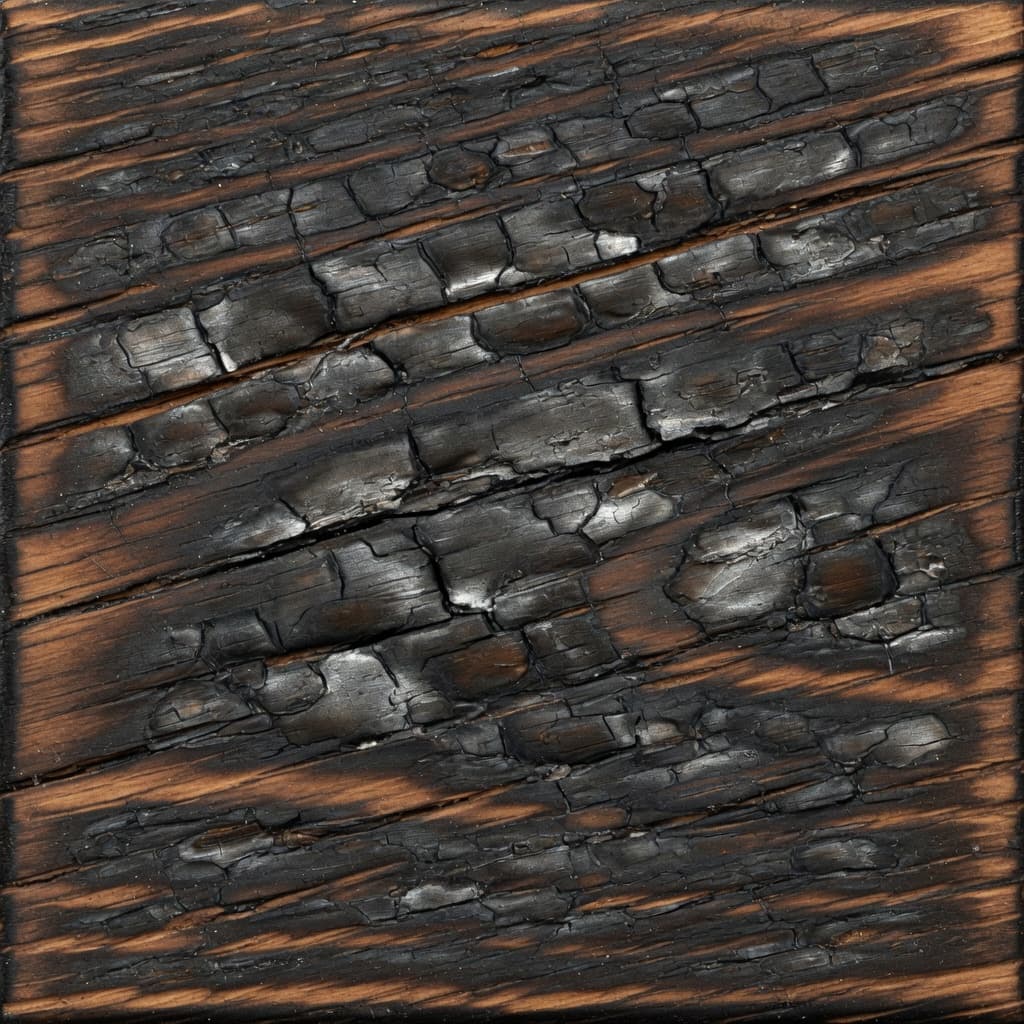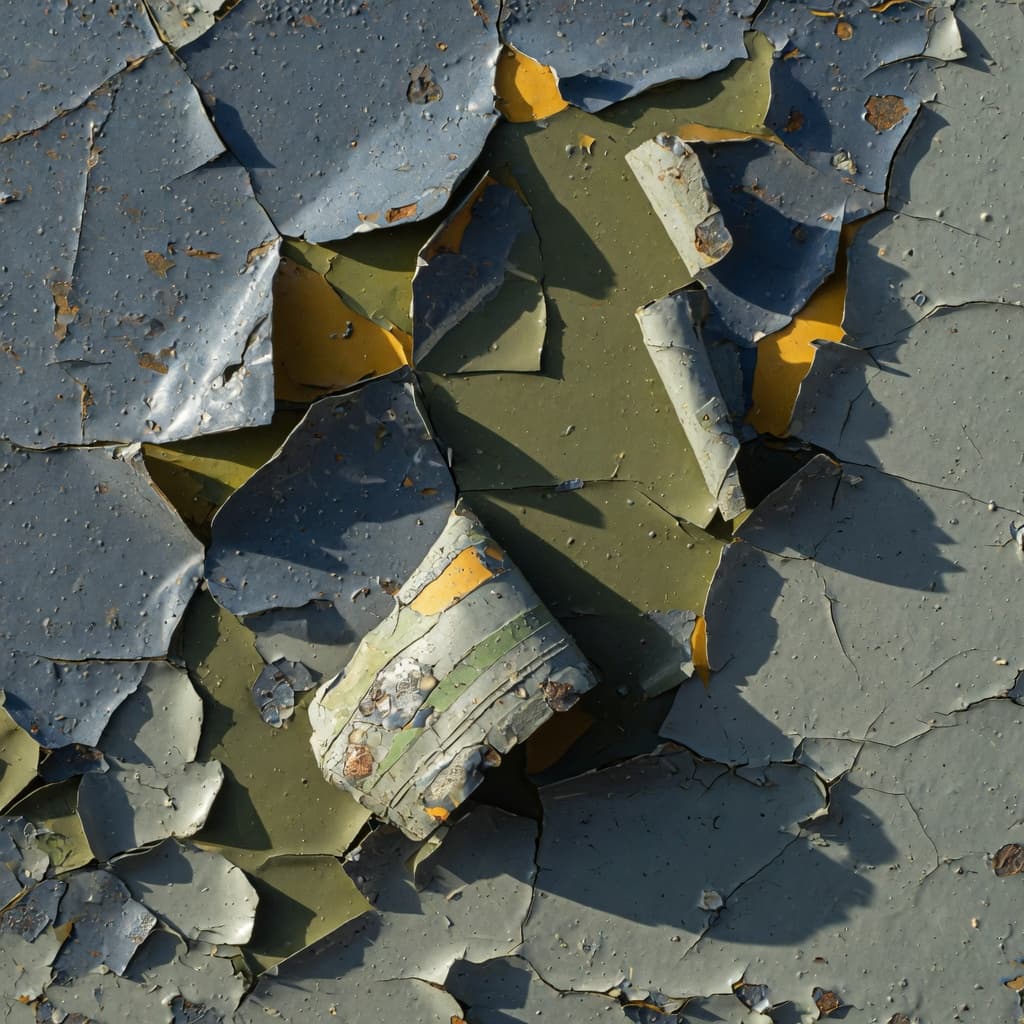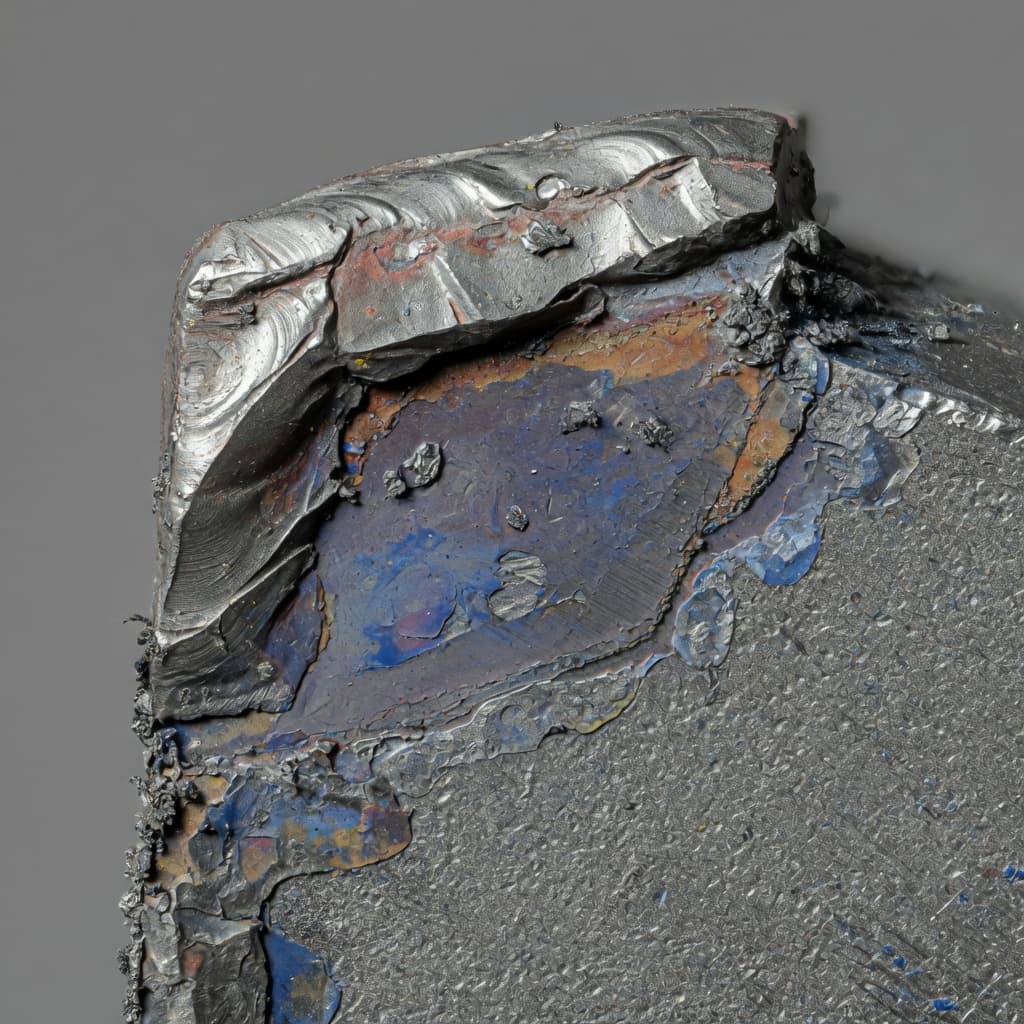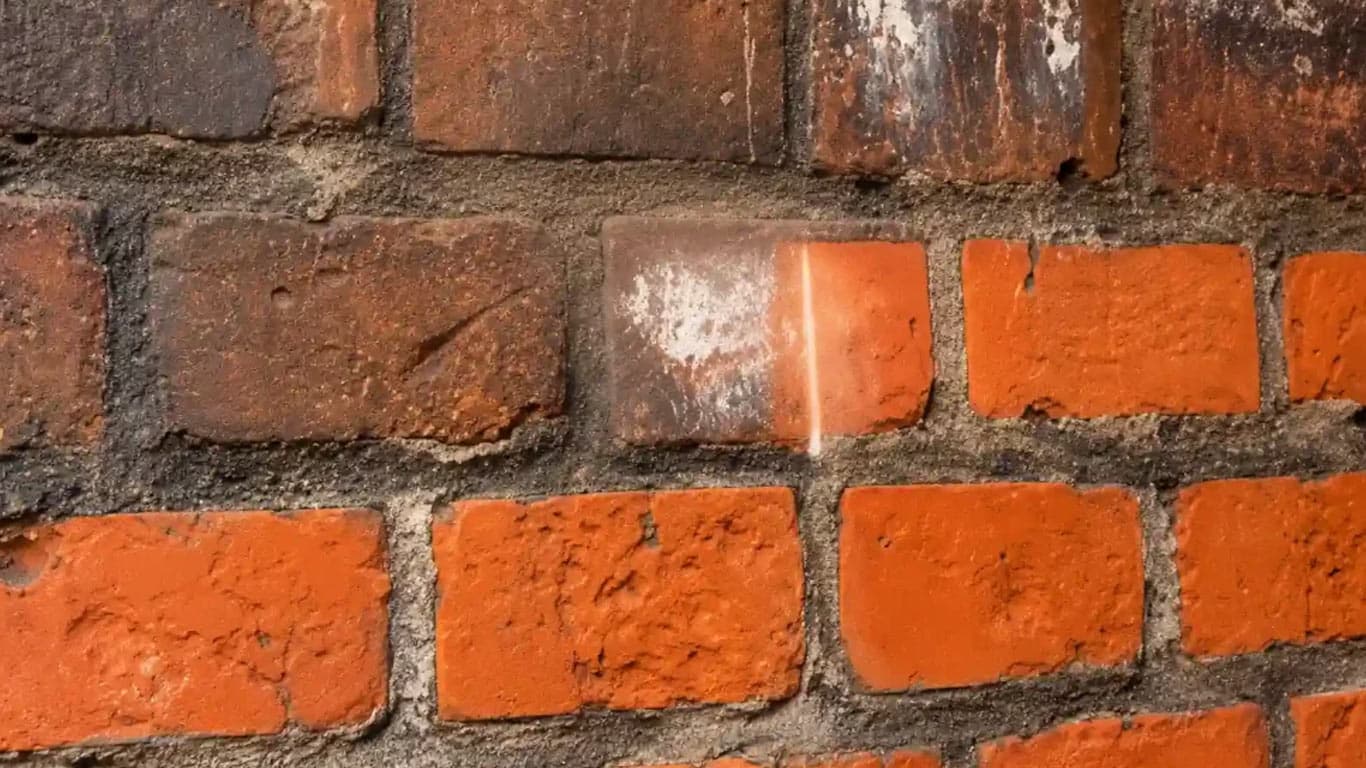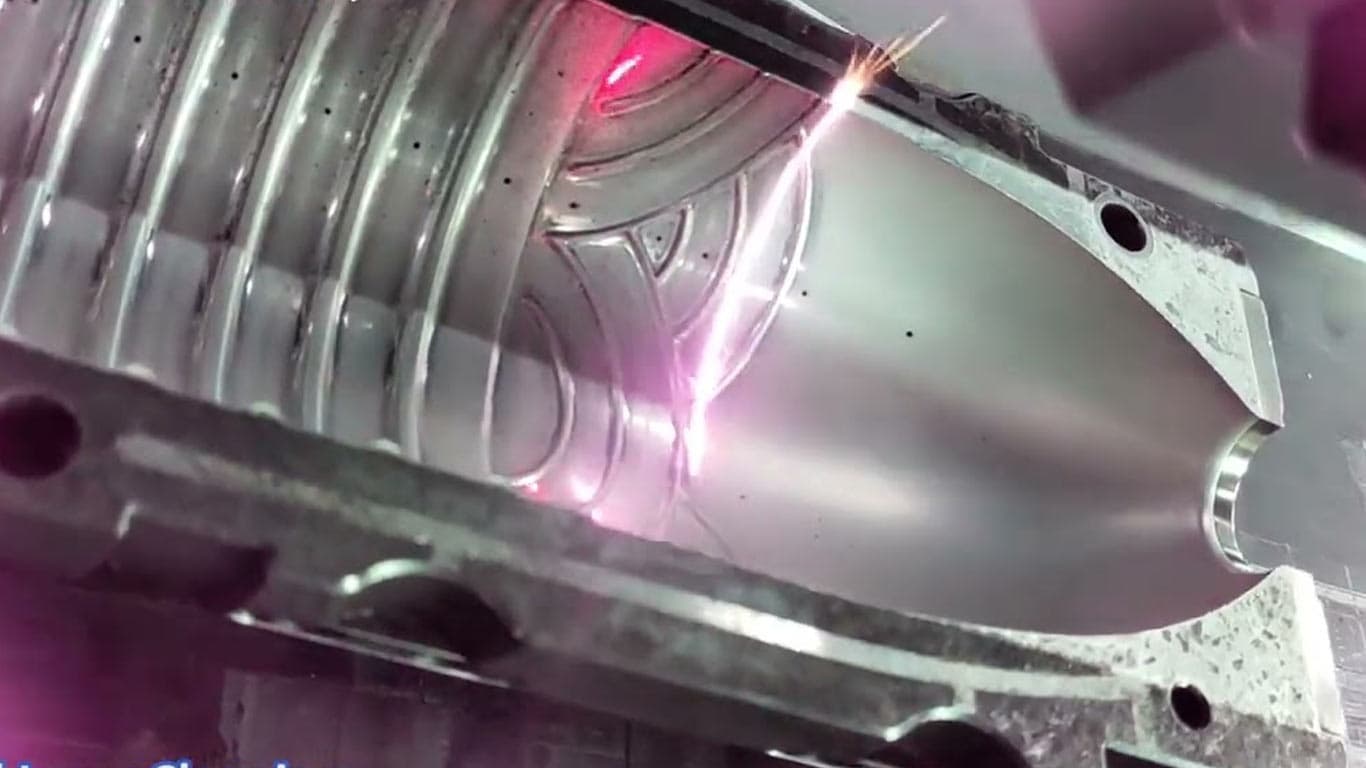

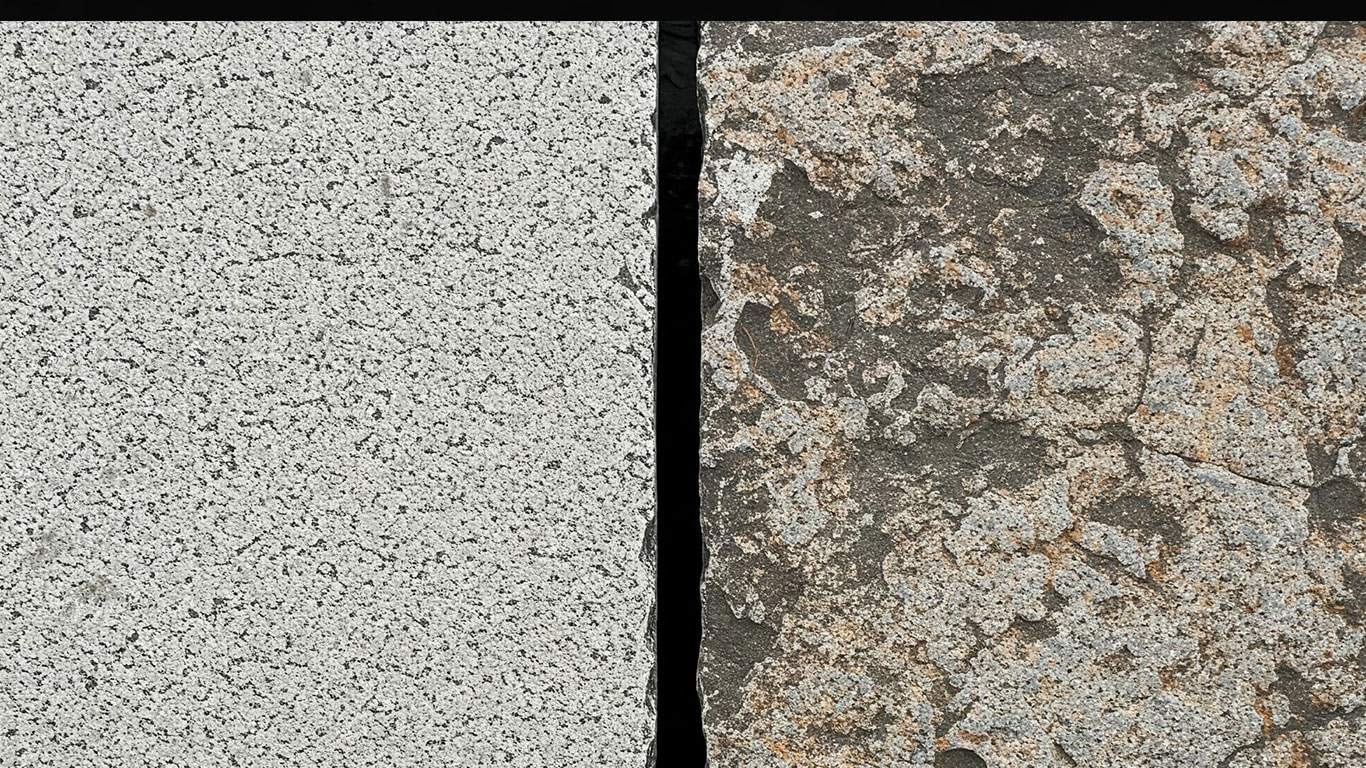

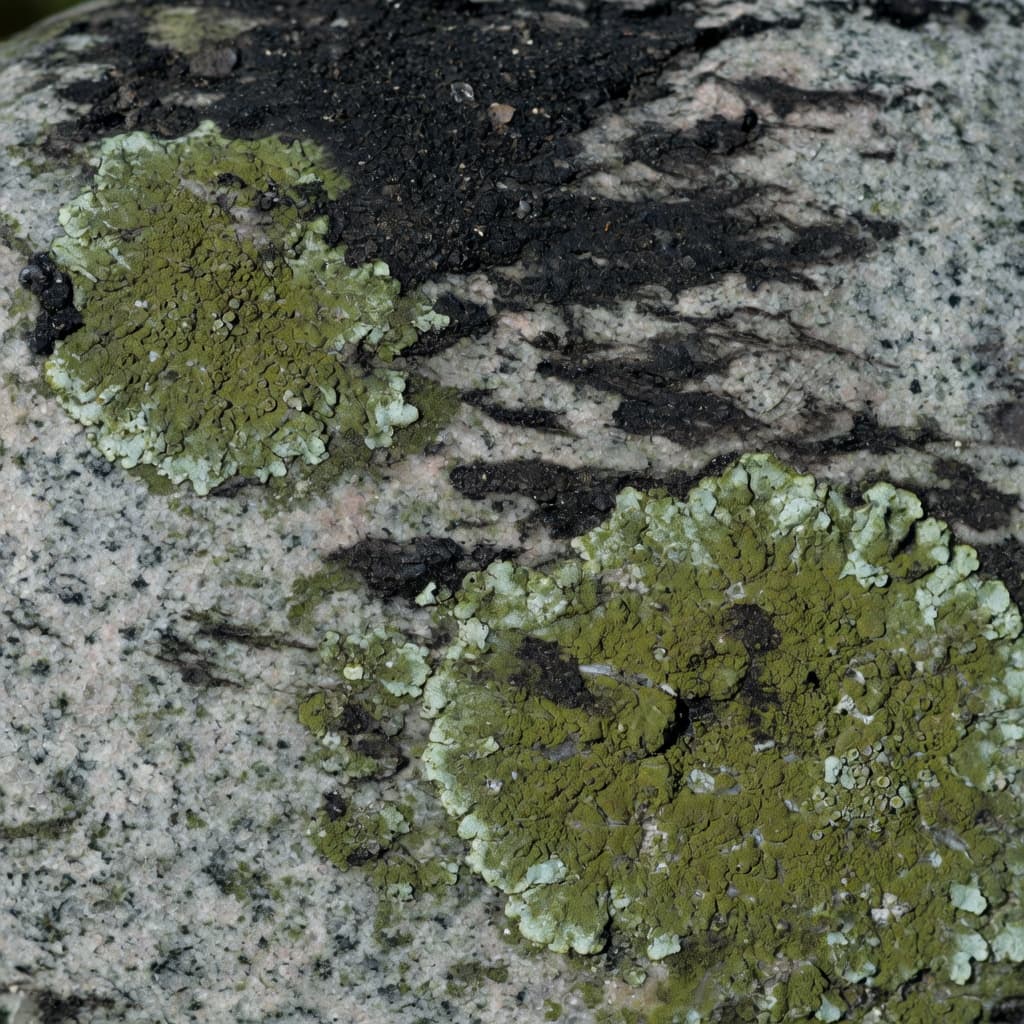
Granite surface undergoing laser cleaning showing precise contamination removal
Todd Dunning
Todd DunningMSUnited States
Optical materials for industrial photonics systems
Published
Jan 6, 2026

Granite Laser Cleaning

Granite's 5–15% mica fraction darkens irreversibly above ~1.2 J/cm², and the feldspar majority melts at 3.0 J/cm² A coarse-grained trait absent in fine-grained igneous stone like Basalt. — so the ~0.3 J/cm² window between cleaning onset (1.2 J/cm²) and the 1.5 J/cm² substrate-damage ceiling is tight on cleaning parameters, and it varies by quarry. Density is 2700 kg/m³. Porosity is only 0.006 (0.6%) – very low, which means contaminants sit on the surface. Compressive strength is 211 MPa – very strong.

How to Clean Granite With a Pulsed Laser

1Assess stone type and moisture condition
  • Identify granite variety — dark granites with higher iron and biotite content absorb more 1064 nm energy and require energy levels closer to the 1.2 J/cm² cleaning floor rather than the 1.5 J/cm² substrate-damage ceiling.
  • Assess contamination — biological growth (lichen, algae), atmospheric soiling (black carbon crust), and graffiti each require different energy level and pass count starting points and may each need a separate test patch.
2Test on a small area first
  • Feldspar differential absorption causing surface pitting and mica darkening are the specific failure modes — feldspar shows melt damage near the upper envelope and mica darkens irreversibly above ~1.2 J/cm²; test patches on unfamiliar granites must stay below 1.2 J/cm².
  • Biological growth responds to lower energy level starting at 1.0 J/cm² with two passes at 40–50% overlap — atmospheric soiling and black crust require slightly higher energy with multiple passes at moderate cleaning speed to stay below the mica threshold.
3Production cleaning or Z-Beam assessment
  • Z-Beam provides on-site pulsed laser cleaning for Bay Area granite facades, monuments, and architectural elements, or equipment rental for multi-site heritage restoration projects.
  • Heritage granite clients receive a conservation condition report and stone specification record documenting quarry variety, mica content assessment, and photographic condition survey before and after cleaning.

Regulatory Standards

Granite dust contains crystalline silica (quartz) – a known carcinogen (OSHA PEL: 50 µg/m³). Use HEPA extraction (H13 or H14) and P100 respirators. Wear nitrile gloves and long sleeves. Granite also contains feldspar and mica, which are irritants. Follow ANSI Z136.1 for laser safety and OSHA 29 CFR 1926.95 for PPE. Laser eyewear requires OD 5+ for 1064 nm. The EPA Clean Air Act applies to granite dust emissions.

FAQ

  • How does laser cleaning remove lichens from granite without damage?

    Lichen and biological growth on granite responds to two passes at 1.0–1.5 J/cm², which is above the 1.2 J/cm² cleaning onset and well below the 2.8 J/cm² threshold where biotite mica grains begin to oxidize and darken permanently. The critical risk with granite is not the quartz or feldspar fractions — quartz damage threshold is around 3.0 J/cm² — but the mica fraction (5–15% by volume), which is the first mineral to show irreversible color change. Barreiro et al. (Coatings, 2020) documented the damage threshold range for Nd:YAG cleaning of granite at 0.7–1.5 J/cm², confirming that biological removal works within a safe margin.

    Dark granites with higher biotite content require lower energy closer to the 1.2 J/cm² floor; light granites tolerate more range toward 1.5 J/cm².

  • What settings are recommended for laser cleaning Granite?

    Standard granite cleaning runs near 100 W, 50 kHz, 1,000 mm/s, 60% overlap, and 2 passes for biological growth, soot, and soiling without color change. Biotite mica can darken above about 1.2 J/cm², so stay in the 0.7–1.5 J/cm² substrate-damage envelope (typically 1.0–1.2 J/cm²). Graffiti and paint need more passes near that ceiling, not higher fluence. Coupon-test an inconspicuous area first.

  • What advantages does laser cleaning offer over chemicals for granite monuments?

    Granite rust removal at 1.5–2.5 J/cm² leaves no chemical residue or rinse requirement — both laser cleaning and chemical stripping remove iron staining, but the practical difference comes down to what happens after. Chemical stripping leaves residue that must be rinsed off — laser leaves nothing. Chemical disposal adds $50–$150 per drum; laser has no consumables. For shop environments, laser also eliminates chemical storage, spill risk, and the second-clean step that chemical stripping almost always requires.

  • How does laser cleaning handle granite biotite oxidation and mineral loss?

    Biotite mica grains absorb 1064 nm energy above ~1.2 J/cm² and oxidize before adjacent quartz or feldspar can respond — this failure mode is unique to granite and does not apply to marble or limestone, which is what makes granite parameter selection quarry-specific. Above 2.8 J/cm², biotite mica grains absorb energy faster than quartz or feldspar and oxidize to a darker iron oxide phase that cannot be reversed. Pozo-Antonio et al. (Coatings, 2018) confirmed melting of biotite grains at elevated energy level on granite samples, while Barreiro et al. (Coatings, 2020) documented the 0.7–1.5 J/cm² safe range for biofilm removal.

    The practical approach is to assess the granite's mica content visually — dark, sparkle-rich slabs have more biotite and require energy closer to the 1.2 J/cm² floor, while lighter, coarser-grained granite with more quartz can tolerate parameters toward 2.0 J/cm².

  • What are Cal/OSHA limits for mineral particulate during laser cleaning?

    Granite contains 20–40% quartz by volume, which means laser cleaning generates respirable crystalline silica — a distinct and far stricter hazard than general mineral dust. Cal/OSHA Title 8 §1532.1 (construction) and §5204 (general industry) set the permissible exposure limit at 0.025 mg/m³ TWA — two hundred times more stringent than the 5 mg/m³ PNOR limit for non-hazardous mineral dust. Crystalline silica is an IARC Group 1 carcinogen for lung cancer (OSHA 2024). Ventilation with HEPA filtration and P100 respiratory protection are required during active cleaning. Air monitoring on initial setup is mandatory to confirm exposure stays below the 0.025 mg/m³ PEL before production cleaning begins.

Literature process windows

Ablation windows at 1064 nm that map to Granite in the laser-parameters reference. Screening values from published literature — validate on coupons before production.

Machine Settings

Granite's mineralogy — quartz (20–40%), feldspar (40–60%), and mica (5–15%) — creates uneven optical absorption that makes laser parameter selection more careful than for a homogeneous single-mineral stone such as gypsum-based alabaster. The mica fraction is the constraint: mica darkens irreversibly if energy level overshoots, and its abundance varies even within a single slab. At 100 W, 50 kHz, 1,000 mm/s with 60% overlap and 2 passes, biological growth, soot, and graffiti lift without color change — the pollution-crust removal a handheld field-conservation source like the Powerlase Vulcan 500c, built to lift crusts off granite facades without damaging the stone, is engineered to deliver.

WavelengthGranite · igneousGranite1.1k nmBasalt1.1k nm0.005001.0k1.5kThis materialOther materials in subcategory
Spot SizeGranite · igneousGranite200 μmBasalt200 μm0.0050.0100150200250This materialOther materials in subcategory
FluenceGranite · igneousGranite1.00 J/cm²Basalt1.50 J/cm²0.000.501.001.502.00This materialOther materials in subcategory
Pulse WidthGranite · igneousGranite20.0 nsBasalt20.0 ns0.005.0010.015.020.025.0This materialOther materials in subcategory
FrequencyGranite · igneousGranite50.0 kHzBasalt50.0 kHz0.0020.040.060.0This materialOther materials in subcategory
Scan SpeedGranite · igneousGranite1.0k mm/sBasalt500 mm/s0.005001.0k1.5kThis materialOther materials in subcategory
Overlap RatioGranite · igneousGranite60.0 %Basalt60.0 %0.0020.040.060.080.0This materialOther materials in subcategory
Pass CountGranite · igneousGranite2.00 passesBasalt2.00 passes0.000.501.001.502.002.50This materialOther materials in subcategory
Laser PowerGranite · igneousGranite100 WBasalt100 W0.0050.0100150This materialOther materials in subcategory
Power (Alt.)Granite · igneousGranite100 WBasalt200 W0.0050.0100150200250This materialOther materials in subcategory

Laser-Material Interaction

Laser cleaning granite at 100 W, 50 kHz, 1000 mm/s cleaning speed, 60% overlap, and 2 passes removes surface biological growth and atmospheric soiling effectively. Granite typically contains 25–30% quartz by volume. The crystalline silica generated during cleaning requires full Permissible exposure limit (PEL) compliance. Cal/OSHA CCR Title 8 Section 5155 limits respirable crystalline silica to 50 μg/m³ (8-hr Time-weighted average (TWA)) — IARC Group 1 carcinogen for lung cancer (OSHA 2024). Bay Area granite applications are extensive.

Ablation ThresholdGranite · igneousGranite1.20 J/cm²Basalt2.80 J/cm²0.001.002.003.00This materialOther materials in subcategory
Laser AbsorptionGranite · igneousGranite0.42 ratio (0–1)Basalt0.88 ratio (0–1)0.000.200.400.600.801.00This materialOther materials in subcategory
Laser ReflectivityGranite · igneousGranite0.35 ratio (0–1)Basalt0.10 ratio (0–1)0.000.100.200.300.40This materialOther materials in subcategory
AbsorptivityGranite · igneousGranite0.10 ratio (0–1)Basalt0.85 ratio (0–1)0.000.200.400.600.801.00This materialOther materials in subcategory
ReflectivityGranite · igneousGranite0.90 ratio (0–1)Basalt0.15 ratio (0–1)0.000.200.400.600.801.00This materialOther materials in subcategory
Absorption CoefficientGranite · igneousGranite100.0k m⁻¹Basalt500.0k m⁻¹0.00200.0k400.0k600.0kThis materialOther materials in subcategory
Thermal ConductivityGranite · igneousGranite2.79 W/m·KBasalt1.74 W/m·K0.001.002.003.00This materialOther materials in subcategory
Thermal DiffusivityGranite · igneousGranite0.00 m²/sBasalt0.00 m²/s0.000.010.010.01This materialOther materials in subcategory
Specific HeatGranite · igneousGranite790 J/(kg·K)Basalt840 J/(kg·K)0.002004006008001.0kThis materialOther materials in subcategory
Thermal ExpansionGranite · igneousGranite0.00 K^{-1}Basalt0.00 K^{-1}0.000.010.010.01This materialOther materials in subcategory
Thermal DestructionGranite · igneousGranite773 KBasalt1.7k K0.005001.0k1.5k2.0kThis materialOther materials in subcategory
Destruction PointGranite · igneousGranite1.5k KBasalt1.6k K0.005001.0k1.5k2.0kThis materialOther materials in subcategory
Thermal Shock ResistanceGranite · igneousGranite1.50 MW/mBasalt3.00 MW/m0.001.002.003.004.00This materialOther materials in subcategory
Vapor PressureGranite · igneousGranite1.00 PaBasalt1.00 Pa0.000.501.001.50This materialOther materials in subcategory
Laser-Material Interaction Sources(1 reference)
  1. Commercial granite (quartz-feldspar-mica composition, ~70% SiO2), room temperature (25°C), 1064 nm Nd:YAG laser, 10 ns pulse length, atmospheric pressure

    J. J. — published research, DOI: 10.1016/j.apsusc.2008.06.045

Material Characteristics

Granite absorbs about 42% of 1064 nm light. Damage threshold is 1.2 J/cm² (published research). The window is 1.3 J/cm². Stay at or below ~1.2 J/cm² for multi-pass cleaning; literature places visible mineral damage above ~1.2 J/cm² and the envelope top at 1.5 J/cm² (ns/1064). The darkening is permanent. Based on its mineral composition, granite's three components respond differently to laser energy. Quartz damage onset is substrate-specific within the 0.7–1.5 J/cm² envelope.

DensityGranite · igneousGranite2.7k kg/m³Basalt2.9k kg/m³0.001.0k2.0k3.0k4.0kThis materialOther materials in subcategory
HardnessGranite · igneousGranite6.50 MohsBasalt6.00 Mohs0.002.004.006.008.00This materialOther materials in subcategory
Tensile StrengthGranite · igneousGranite10.5 MPaBasalt14.0 MPa0.005.0010.015.0This materialOther materials in subcategory
Young's ModulusGranite · igneousGranite50000000.0k GPaBasalt89.0 GPa0.0020000000.0k40000000.0k60000000.0kThis materialOther materials in subcategory
Fracture ToughnessGranite · igneousGranite1.20 MPa m^{0.5}Basalt2.40 MPa m^{0.5}0.001.002.003.00This materialOther materials in subcategory
Flexural StrengthGranite · igneousGranite15.0 MPaBasalt20.0 MPa0.005.0010.015.020.025.0This materialOther materials in subcategory
Compressive StrengthGranite · igneousGranite211 MPaBasalt200 MPa0.0050.0100150200250This materialOther materials in subcategory
Oxidation ResistanceGranite · igneousGranite0.98 index (0–1)Basalt0.96 index (0–1)0.000.501.001.502.00This materialOther materials in subcategory
Corrosion ResistanceGranite · igneousGranite9.70 index (0–1)Basalt0.96 index (0–1)0.002.505.007.5010.0This materialOther materials in subcategory
Laser Damage ThresholdGranite · igneousGranite1.50 J/cm²Basalt1.45 J/cm²0.000.501.001.502.00This materialOther materials in subcategory
PorosityGranite · igneousGranite0.01 fraction (0–1)Basalt0.03 fraction (0–1)0.000.010.020.030.04This materialOther materials in subcategory
Material Characteristics Sources(1 reference)
  1. Commercial granite (quartz-feldspar-mica composition, ~70% SiO2), room temperature (25°C), Nd:YAG laser at 1064 nm, 10 ns pulse length, measured in air at 1 atm

    P. P. Pou et al., 'Comparative study of the influence of laser wavelength on the cleaning of granite', Applied Surface Science, 2005, DOI: 10.1016/j.apsusc.2005.01.045
Technical Reference — Graniteliterature-sourced
ParameterValue
Cleaning fluence range0.7–1.5 J/cm² (±±0.2 J/cm²)
Damage threshold1.5 J/cm²
Operating point (Z-Beam)1.2 J/cm² (20% below ceiling)
Cal/OSHA respirable crystalline silica PEL0.025 mg/m³ TWA

When Laser Cleaning Does Not Work

ConditionConsequence
Ablation of siliceous substrateHard stopRespirable crystalline silica generated — Cal/OSHA §1532.1 PEL 0.025 mg/m³ TWA; IARC Group 1 carcinogen

Compliance · Bay Area (BAAQMD) + California (Cal/OSHA Title 8)

ContaminantBAAQMD Permit
Respirable Crystalline Silica (laser Ablation Dust — Quartz Substrate)Not required

Process Window — Granite

Netalux Kamino 300, 1064nm fiber, 100ns pulse

Surface ConditionFloor (J/cm²)Ceiling (J/cm²)Window (J/cm²)Safety %
Light surface contamination (soot, biological)11.5520%
Moderate contamination (paint, heavy biological)0.71.54.520%
Sources(8 references)
  1. "the damage threshold for this kind of granite is set in the 0.7–1.5 J·cm−2 range for an Nd:YAG laser"

    Barreiro. Barreiro, P.; Andreotti, A.; Colombini, M.P.; González, P.; Pozo-Antonio, J.S. Influence of the Laser Wavelength on Harmful Effects on Granite Due to Biofilm Removal. Coatings 2020, 10(3), 196. DOI: 10.3390/coatings10030196
  2. "evidence of damage was found on the granite forming minerals, such as melting of the biotite grains, fracturing of the quartz grains"

    Pozo-Antonio. Pozo-Antonio, J.S.; Papanikolaou, A.; Melessanaki, K.; Rivas, T.; Pouli, P. Laser-Assisted Removal of Graffiti from Granite: Advantages of the Simultaneous Use of Two Wavelengths. Coatings 2018, 8(4), 124. DOI: 10.3390/coatings8040124
  3. "Workers who inhale these very small crystalline silica particles are at increased risk of developing serious silica-related diseases, including: Silicosis, an incurable lung disease"

    U. U.S. Occupational Safety and Health Administration. Silica, Crystalline — Overview. OSHA, U.S. Department of Labor, 2024.
  4. Laser cleaning of granite: wavelength/biofilm study, Coatings 2020, 10(3):196. (opens in new tab)
  5. Two-wavelength laser graffiti removal on granite, Coatings 2018, 8(4):124. (opens in new tab)
  6. MatWeb Material Property Data — Online Materials Information Resource (opens in new tab)
  7. Commercial granite (quartz-feldspar-mica composition, ~70% SiO2), room temperature (25°C), Nd:YAG laser at 1064 nm, 10 ns pulse length, measured in air at 1 atm

    P. P. Pou et al., 'Comparative study of the influence of laser wavelength on the cleaning of granite', Applied Surface Science, 2005, DOI: 10.1016/j.apsusc.2005.01.045
  8. Commercial granite (quartz-feldspar-mica composition, ~70% SiO2), room temperature (25°C), 1064 nm Nd:YAG laser, 10 ns pulse length, atmospheric pressure

    J. J. — published research, DOI: 10.1016/j.apsusc.2008.06.045
As for Z-Beam, this was one of the best experiences I've had with any company.
Eric WoodView all testimonials