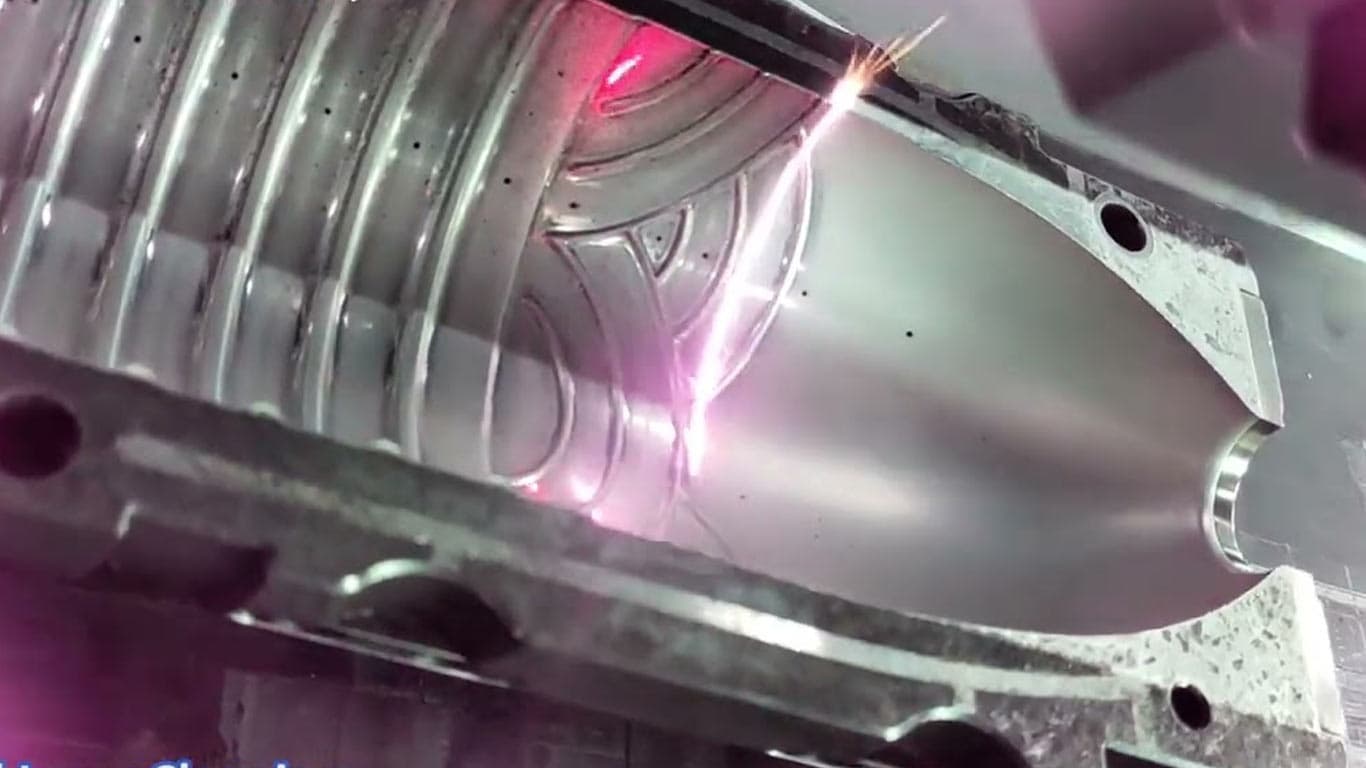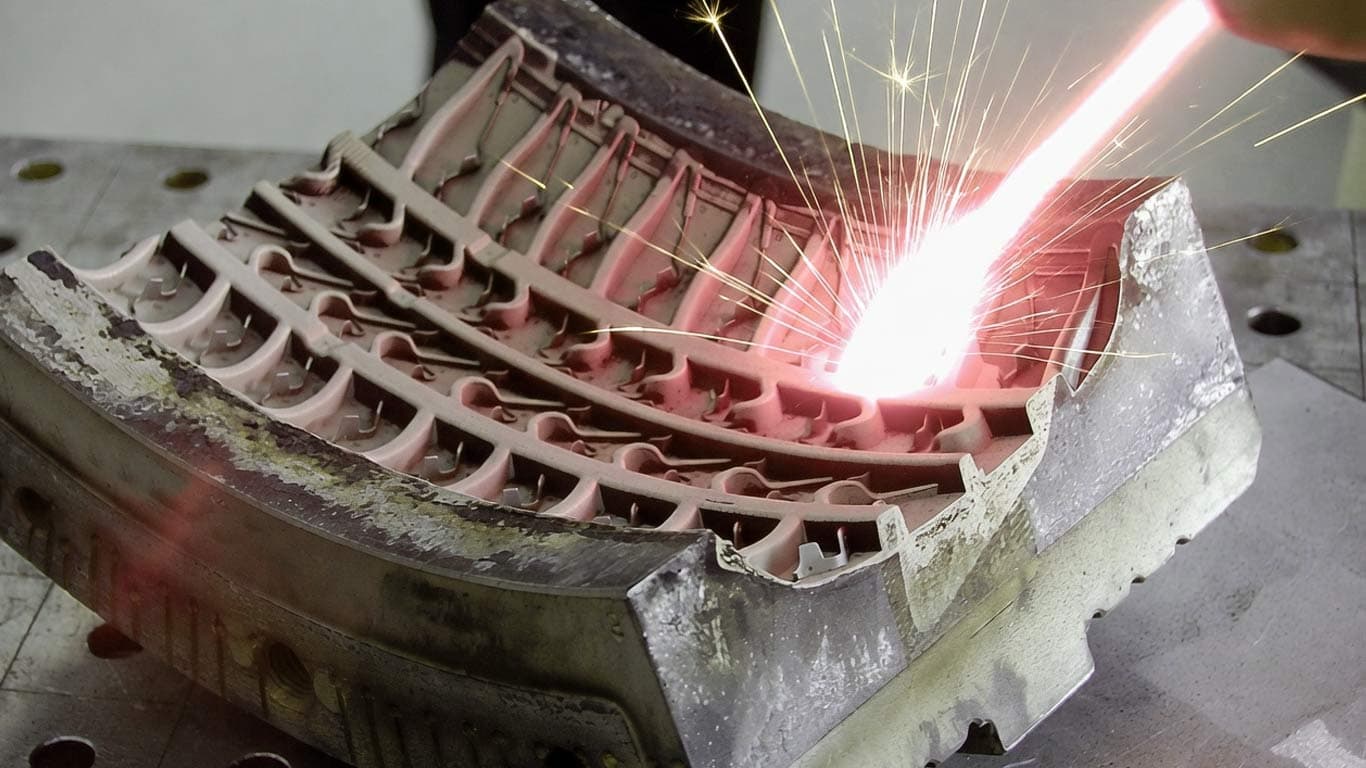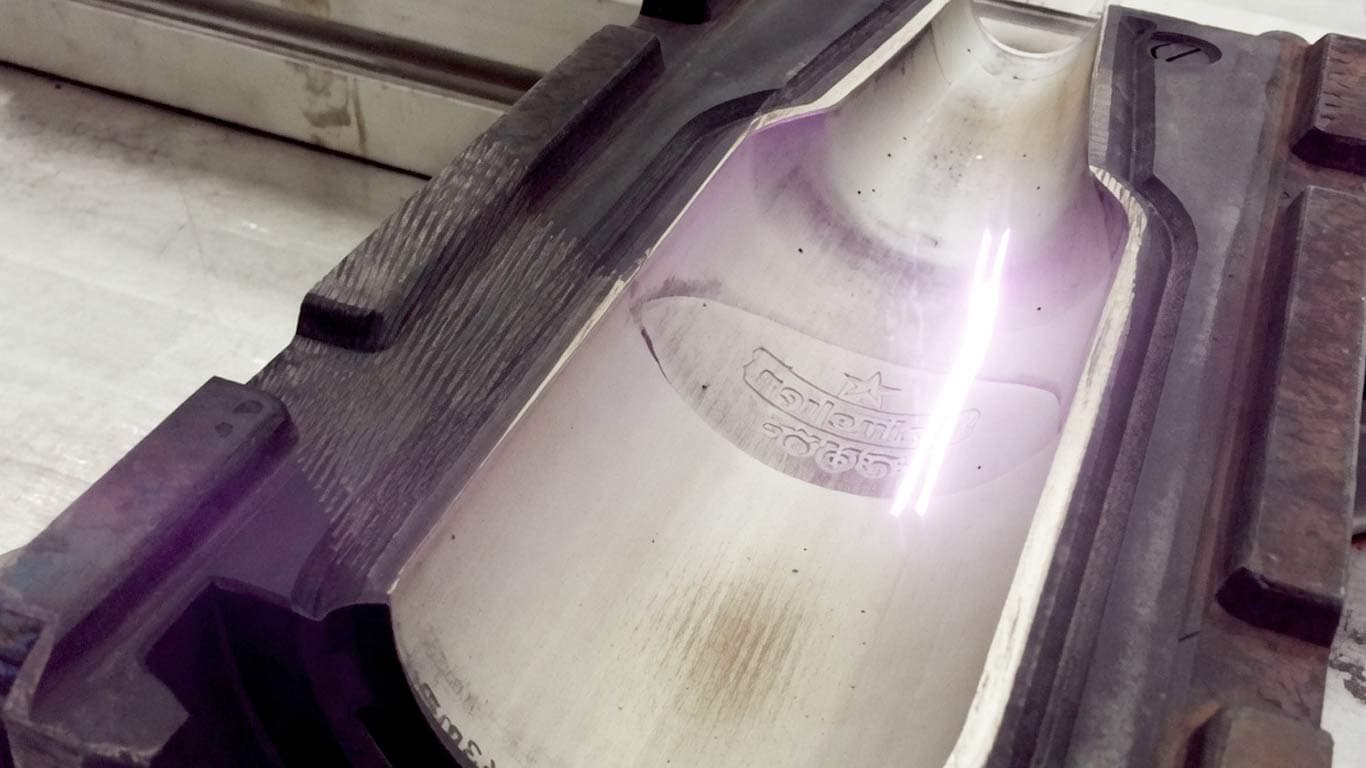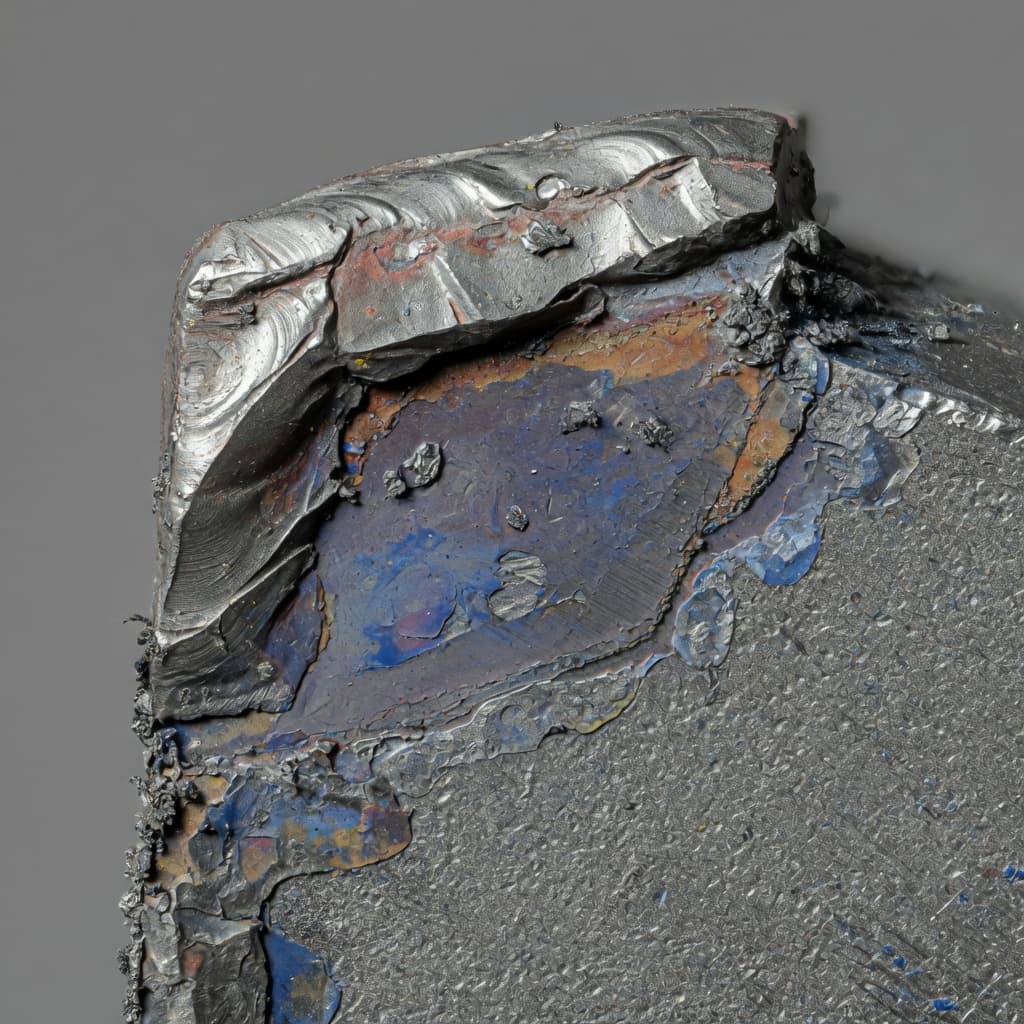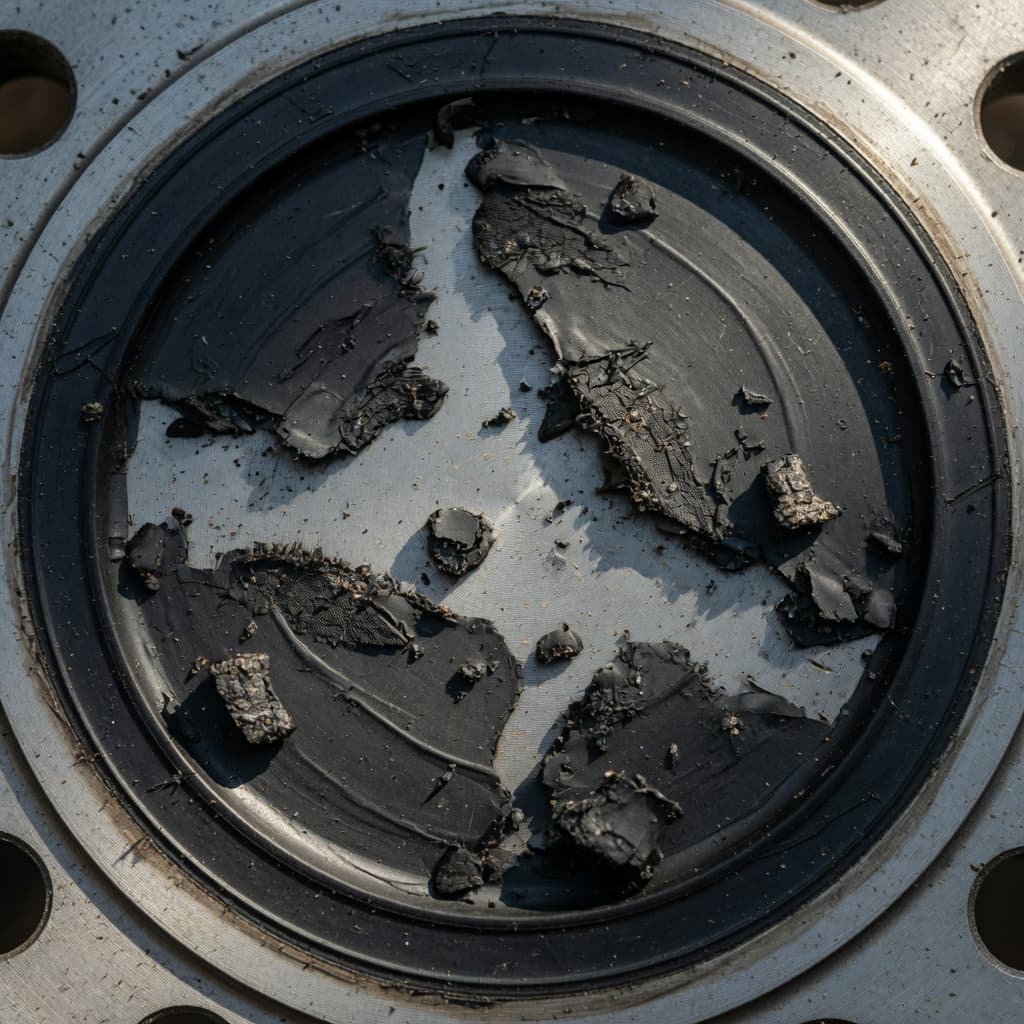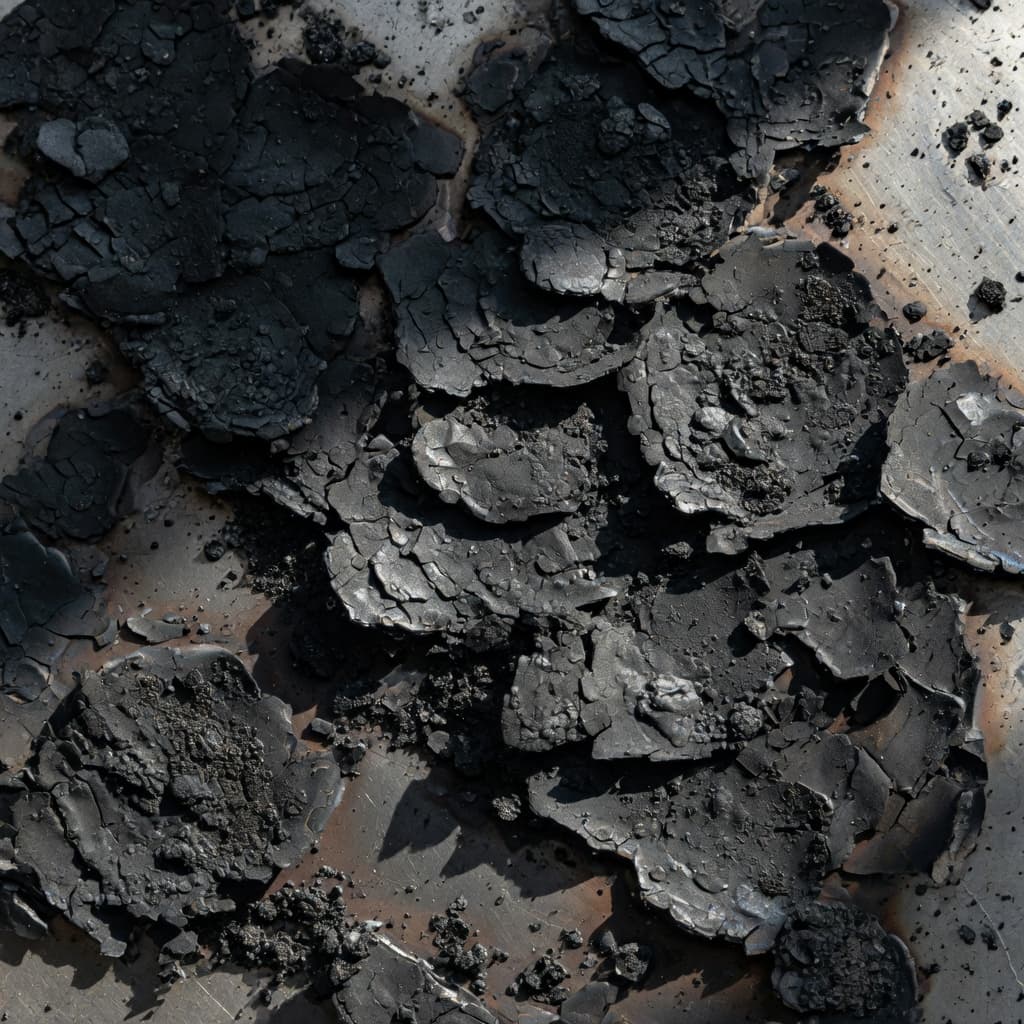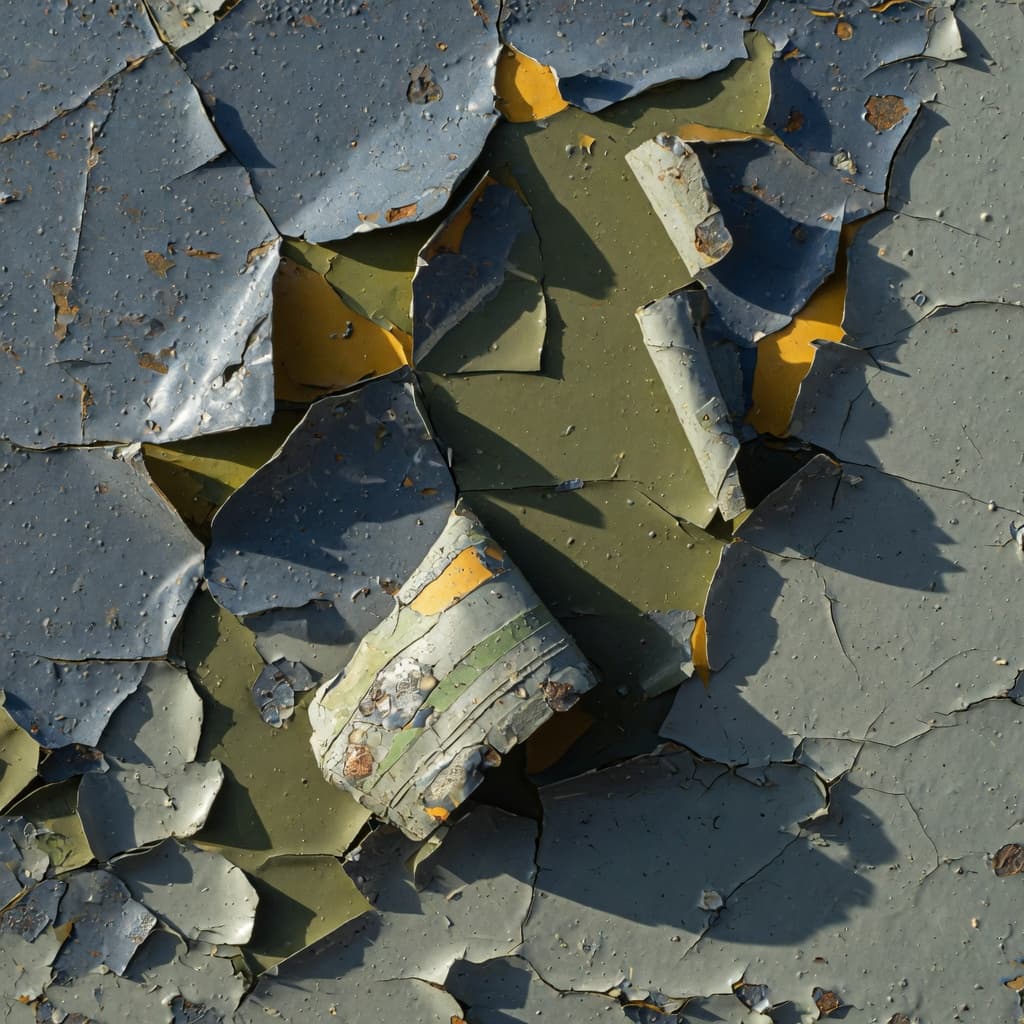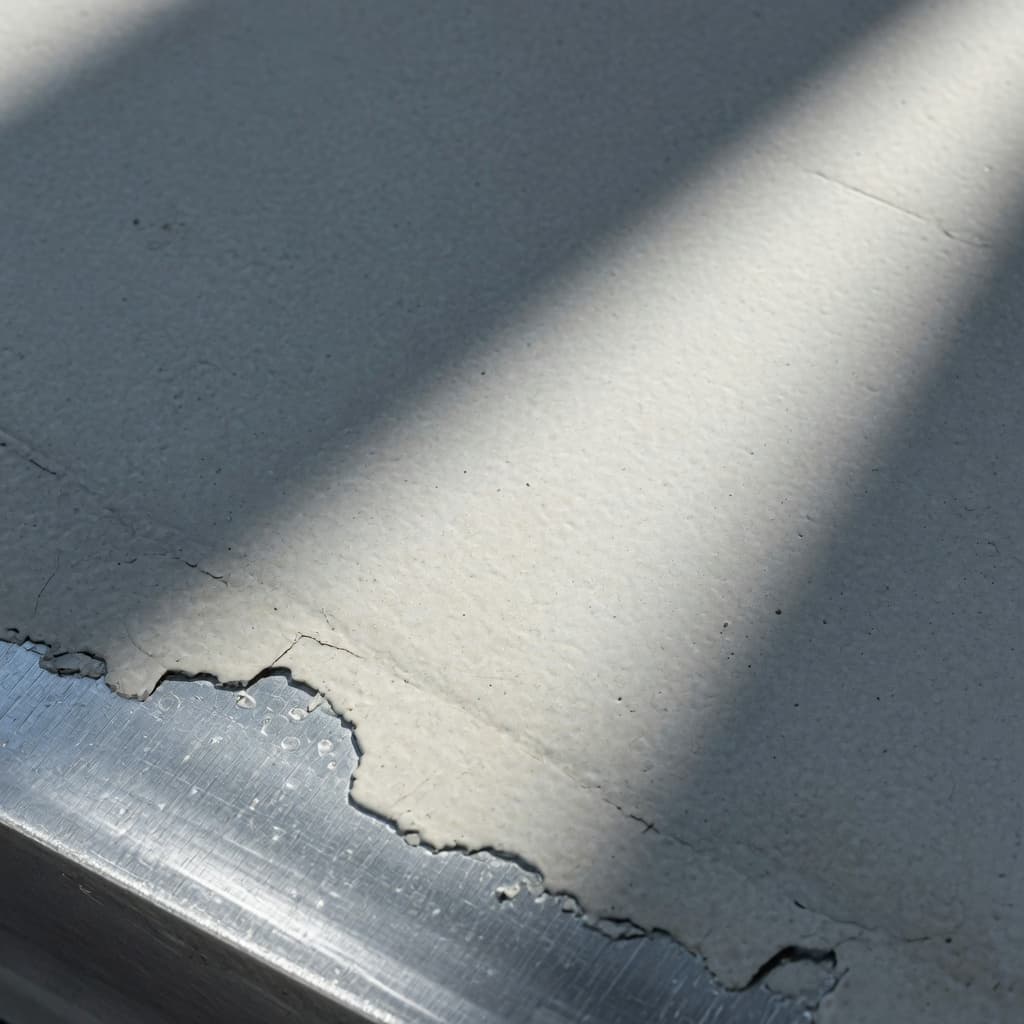

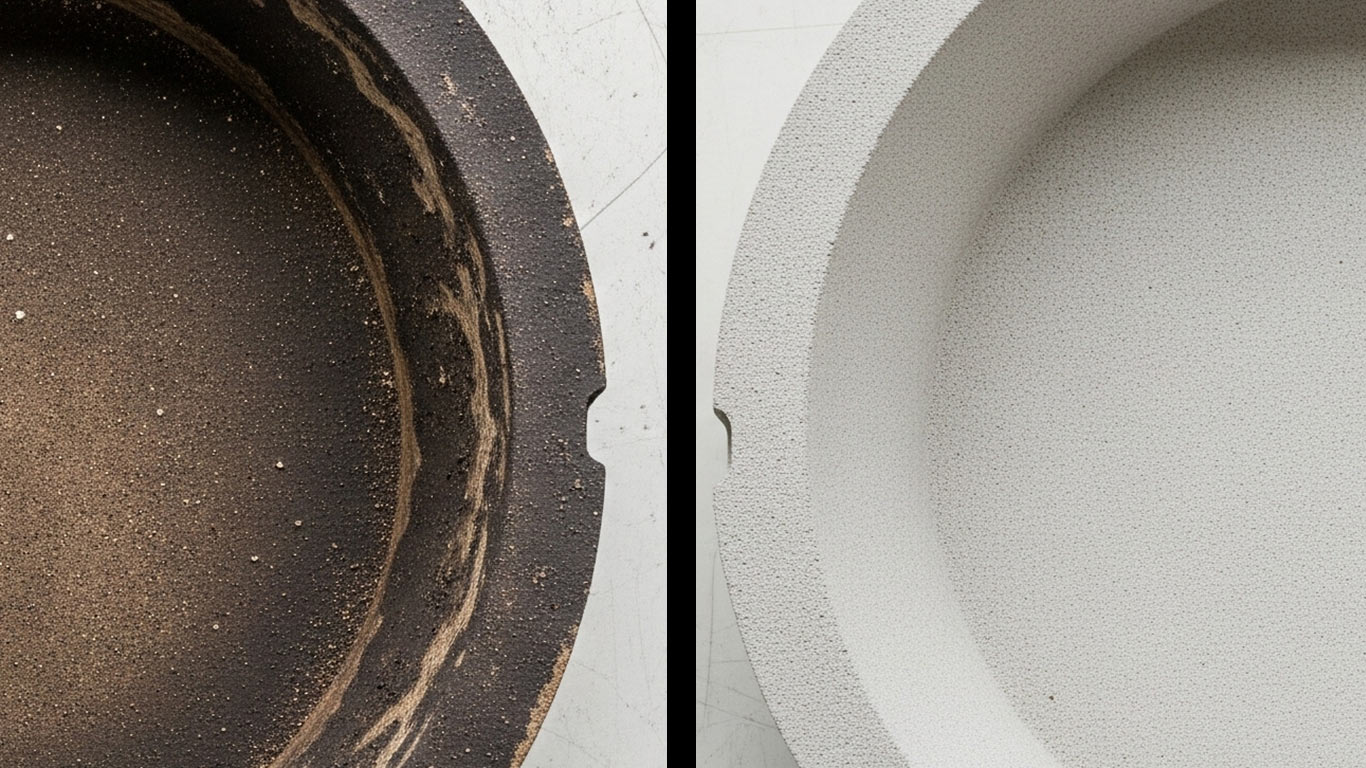


Alumina surface undergoing laser cleaning showing precise contamination removal
Alessandro Moretti
Alessandro MorettiPh.D.Italy
Materials process development for ceramics and alloys
Published
Jan 6, 2026

Alumina Laser Cleaning

Alumina's paradox is that it's one of the hardest ceramics we clean — Mohs 9, Vickers 19.6 GPa, roughly twice as hard as tool steel — yet it will micro-crack if you push energy level above 2.5 J/cm² because its fracture toughness is low. High surface reflectance (93% at 1064 nm) compounds the challenge: you need more energy to get cleaning action, but the damage margin is unforgiving. Z-Beam applies the same system to Stoneware surfaces.

How to Clean Alumina Ceramic With a Pulsed Laser

1Identify alumina grade and application
  • Confirm alumina purity — 96%, 99%, or 99.5%+ — because low-purity grades carry more porosity and are more susceptible to thermal shock micro-cracking above 2.5 J/cm², while 99.5%+ grades tolerate parameters up to 8.0 J/cm² safely.
  • Assess application context: semiconductor chuck cleaning requires sub-nanometer surface quality and a conservative 1.5–5.0 J/cm² window, while industrial wear parts allow parameters up to 8.0 J/cm² within the 2.0–10.0 J/cm² process window.
  • Low-purity alumina (<96%) with high porosity rules out fluence above 2.5 J/cm² — low fracture toughness (4 MPa·m¹ᐟ²) excludes this grade from the standard 8.0 J/cm² window used on 99.5%+ material, and no amount of pass-count adjustment substitutes for a purity check (Applied Optics 62(29) 7805, 2023).
2Test on a representative sample first
  • Alumina grades below 96% purity micro-crack from thermal shock above 2.5 J/cm² despite a Mohs 9 hardness — low fracture toughness (4 MPa·m¹ᐟ²) means cracks initiate well below the 2072°C bulk melting point; test at 2.0 J/cm² before advancing to higher energy on any unknown grade.
  • For semiconductor ceramic applications, run at 1.5 J/cm², 10 kHz, 2000 mm/s, 60% overlap — multiple passes at moderate energy prevent the thermal gradient buildup that risks micro-cracking in precision alumina surfaces.
3Z-Beam assessment for alumina cleaning
  • Z-Beam serves Bay Area semiconductor equipment manufacturers, precision ceramic fabricators, and industrial wear component suppliers requiring Al₂O₃ restoration to IPC-A-610 specifications — each assessment produces a particle count verification and surface condition record per ISO 14644.
  • Semiconductor chuck scopes include alumina purity confirmation and post-clean surface roughness measurement before sign-off on any precision ceramic application.

Regulatory Standards

What safety standards apply to laser cleaning alumina? ANSI Z136.1 – Safe Use of Lasers (USA). FDA 21 CFR 1040.10 – Laser Product Performance Standards. IEC 60825 – Safety of Laser Products (international). OSHA 29 CFR 1926.95 – Personal Protective Equipment. ASTM C848 – High Alumina Refractory Brick. ISO 23146 – Technical Ceramics. For medical applications, also follow ISO 13485. These standards cover laser safety eyewear (OD 5+ for 1064 nm), exhaust ventilation for alumina dust, and equipment classification. Alumina dust is a respiratory hazard – always use HEPA filtration.

FAQ

  • How does laser cleaning effectively remove contaminants from alumina surfaces?

    Laser cleaning removes contamination from alumina by heating surface contaminants to vaporization while the alumina substrate absorbs less than 4% of 1064 nm energy, leaving the ceramic undamaged. Operating at 2.0–7.64 J/cm² (1064 nm, 100 ns pulse), one to two passes removes oxide scale, soot, and biological films — with the surface ready for the next operation immediately. The 11.46 J/cm² literature damage threshold (Applied Optics 2023) provides a wide safety margin at typical operating parameters, and no chemical handling or media disposal is required.

  • What makes alumina challenging to clean using traditional methods?

    Alumina's Mohs hardness of 9 and chemical inertness — stable against most acids and bases per ASTM C704 — make abrasive and solvent methods either damaging or ineffective. Mechanical abrasion risks surface microcracking that reduces dielectric strength; aggressive chemical agents leave ionic residues that compromise alumina's performance in electronics and semiconductor applications. Laser cleaning avoids both failure modes by removing contamination without contact or wet chemistry, preserving the surface finish specifications required by IPC-A-610 for ceramic substrates in electronic assemblies.

  • What settings are recommended for laser cleaning Alumina?

    Starting parameters for alumina laser cleaning are 1.5 J/cm² energy level at 1064 nm, 100 W power, 30 kHz repetition rate, 2000 mm/s cleaning speed, and 60% overlap — yielding roughly 2 passes for typical oxide scale. These settings sit below the 2.1 J/cm² single-pulse damage threshold at the substrate while meeting the effective cleaning energy level of ~1.5 J/cm² documented at 100 ns/1064 nm (Applied Surface Science 2005). For heavy paint or thick contamination, increasing to 3.0 J/cm² with the same cleaning speed maintains the 20% safety margin below the 10.0 J/cm² field ceiling.

  • Is laser cleaning safe for handling alumina dust hazards?

    Alumina dust generated during laser cleaning is regulated under Cal/OSHA Title 8 §5155 Table AC-1 as PNOR, with a Permissible exposure limit (PEL) of 5 mg/m³ Time-weighted average (TWA) respirable and 10 mg/m³ TWA total dust. Laser cleaning in an enclosed workspace with ventilation and HEPA filtration keeps airborne particulate well below these thresholds; P100 or N95 respirators are used during active cleaning as a secondary control. Air monitoring is conducted on initial setup for any new alumina substrate configuration.

  • What does Alumina laser cleaning cost?

    On-site laser cleaning for alumina runs $250–$350/hr with no consumables, no chemical disposal, and no secondary prep after cleaning. Most jobs are quoted by surface area or part count after a quick site assessment — call or email for a same-week estimate. Monthly service agreements are available at lower per-hour rates for production volumes.

  • Can laser cleaning damage alumina's crystalline structure or surface finish?

    Nanosecond pulsed laser cleaning at or below 2.0 J/cm² preserves alumina's crystalline structure and surface finish, because the 11.46 J/cm² literature damage threshold (Applied Optics 2023) sits well above the cleaning operating point. Thermal shock micro-cracking becomes a risk above 2.5 J/cm² for low-purity grades (below 96% purity, fracture toughness 4 MPa·m¹/²), but high-purity alumina at standard parameters produces surfaces with Ra (surface roughness) roughness comparable to the pre-cleaning baseline — confirmed by post-cleaning visual and tactile inspection per job.

  • What are Cal/OSHA limits for aluminum oxide particulate in laser cleaning?

    Cal/OSHA Title 8 §5155 Table AC-1 sets the aluminum oxide (Al2O3) PEL at 5 mg/m³ TWA for respirable particulate and 10 mg/m³ TWA for total dust, classified as PNOR (Particulates Not Otherwise Regulated, CAS 1344-28-1). Ventilation with HEPA filtration is required during active laser cleaning to maintain concentrations below these thresholds; air monitoring records are maintained for all Bay Area jobs involving alumina cleaning per Cal/OSHA documentation requirements.

Fluence (J/cm²)1.5Alumina10.0 J/cm²20.0 J/cm²Porcelain10.0 J/cm²20.0 J/cm²Stoneware10.0 J/cm²20.0 J/cm²0 J/cm²10 J/cm²20 J/cm²
  • This material (highlighted)
  • Other materials in this group
  • Recommended fluence (1.5 J/cm²)

Literature process windows

Ablation windows at 1064 nm that map to Alumina in the laser-parameters reference. Screening values from published literature — validate on coupons before production.

Machine Settings

What are the recommended starting parameters for alumina? Laser power: 100 W. Frequency: 30 kHz. Cleaning speed: 2000 mm/s. Two passes at 60% overlap. How does this differ from metals? Alumina's high surface reflectance (93%) means you need higher energy level – 1.5 J/cm² works well, compared to 0.8 J/cm² for steel. What is the power level? 1.5 J/cm² is below the 2.1 J/cm² damage threshold, so it's safe. Pulse energy: 3.3 mJ (100 W / 30 kHz). Experiment conducted: 2026-03-27. No surface damage – the cleaned surface feels smooth and hard, with no visible cracking or residue. This applies to 99.9% pure polycrystalline alumina; lower-purity grades may have higher absorption and require lower energy level.

WavelengthAlumina · oxideAlumina1.1k nmPorcelain1.1k nmStoneware1.1k nm0.005001.0k1.5kThis materialOther materials in subcategory
Spot SizeAlumina · oxideAlumina200 μmStoneware500 μmPorcelain200 μm0.00200400600This materialOther materials in subcategory
FluenceAlumina · oxideAlumina1.50 J/cm²Porcelain1.50 J/cm²Stoneware1.50 J/cm²0.000.501.001.502.00This materialOther materials in subcategory
Pulse WidthAlumina · oxideAlumina20.0 nsPorcelain20.0 nsStoneware20.0 ns0.005.0010.015.020.025.0This materialOther materials in subcategory
FrequencyAlumina · oxideAlumina30.0 kHzStoneware30.0 kHzPorcelain20.0 kHz0.0010.020.030.040.0This materialOther materials in subcategory
Scan SpeedAlumina · oxideAlumina2.0k mm/sStoneware1.5k mm/sPorcelain500 mm/s0.005001.0k1.5k2.0k2.5kThis materialOther materials in subcategory
Overlap RatioAlumina · oxideAlumina60.0 %Porcelain70.0 %Stoneware50.0 %0.0020.040.060.080.0This materialOther materials in subcategory
Pass CountAlumina · oxideAlumina2.00 passesPorcelain2.00 passesStoneware2.00 passes0.000.501.001.502.002.50This materialOther materials in subcategory
Laser PowerAlumina · oxideAlumina100 WPorcelain100 WStoneware100 W0.0050.0100150This materialOther materials in subcategory
Power (Alt.)Alumina · oxideAlumina100 WStoneware100 WPorcelain30.0 W0.0050.0100150This materialOther materials in subcategory

Laser-Material Interaction

Alumina absorbs only 3% of 1064 nm energy (81% reflects, 16% transmits through the surface) — so laser cleaning works by heating surface contaminants rather than the alumina itself, enabling selective removal at 1.5–2.0 J/cm² while the damage threshold sits at 2.1 J/cm² for single-pulse and 1.86 J/cm² for multi-pass operation (Cleaning of ceramics with UV, visible, and IR nanosecond laser pulses, ResearchGate). Above 2.5 J/cm² risks thermal shock micro-cracking due to low fracture toughness.

Ablation ThresholdAlumina · oxideAlumina10.0 J/cm²Porcelain10.0 J/cm²Stoneware10.0 J/cm²0.005.0010.015.0This materialOther materials in subcategory
Damage ThresholdAlumina · oxideAlumina20.0 J/cm²Porcelain20.0 J/cm²Stoneware20.0 J/cm²0.005.0010.015.020.025.0This materialOther materials in subcategory
Laser AbsorptionAlumina · oxideAlumina0.04 ratio (0–1)Stoneware0.82 ratio (0–1)Porcelain0.08 ratio (0–1)0.000.200.400.600.801.00This materialOther materials in subcategory
Laser ReflectivityAlumina · oxideAlumina0.07 ratio (0–1)Porcelain0.85 ratio (0–1)Stoneware0.15 ratio (0–1)0.000.200.400.600.801.00This materialOther materials in subcategory
AbsorptivityAlumina · oxideAlumina0.07 ratio (0–1)Stoneware0.80 ratio (0–1)Porcelain0.25 ratio (0–1)0.000.200.400.600.801.00This materialOther materials in subcategory
ReflectivityAlumina · oxideAlumina0.07 ratio (0–1)Porcelain0.70 ratio (0–1)Stoneware0.20 ratio (0–1)0.000.200.400.600.80This materialOther materials in subcategory
Absorption CoefficientAlumina · oxideAlumina50.0k m⁻¹Stoneware1000.0k m⁻¹Porcelain500.0k m⁻¹0.00500.0k1000.0k1500.0kThis materialOther materials in subcategory
Thermal ConductivityAlumina · oxideAlumina25.0 W/m·KPorcelain1.50 W/m·KStoneware1.40 W/m·K0.0010.020.030.0This materialOther materials in subcategory
Thermal DiffusivityAlumina · oxideAlumina0.00 m²/sPorcelain0.00 m²/sStoneware0.00 m²/s0.000.010.010.01This materialOther materials in subcategory
Specific HeatAlumina · oxideAlumina880 J/(kg·K)Porcelain880 J/(kg·K)Stoneware880 J/(kg·K)0.002004006008001.0kThis materialOther materials in subcategory
Thermal ExpansionAlumina · oxideAlumina0.00 K^{-1}Porcelain0.00 K^{-1}Stoneware0.00 K^{-1}0.000.010.010.01This materialOther materials in subcategory
Thermal DestructionAlumina · oxideAlumina2.3k KPorcelain1.6k KStoneware1.5k K0.005001.0k1.5k2.0k2.5kThis materialOther materials in subcategory
Destruction PointAlumina · oxideAlumina2.3k KPorcelain1.6k KStoneware1.5k K0.005001.0k1.5k2.0k2.5kThis materialOther materials in subcategory
Thermal Shock ResistanceAlumina · oxideAlumina2.00 MW/mPorcelain1.50 MW/mStoneware1.50 MW/m0.000.501.001.502.002.50This materialOther materials in subcategory
Vapor PressureAlumina · oxideAlumina0.01 PaPorcelain0.10 PaStoneware0.10 Pa0.000.050.100.15This materialOther materials in subcategory
Laser-Material Interaction Sources(1 reference)
  1. Schroeder, H. et al., 'Investigation of laser-induced ablation of ceramic materials for space-borne applications', DLR/ESA-ESTEC, 2016. Measured Al2O3 ablation threshold at 1064 nm, ns pulses: 8 ± 2 J/cm².Polycrystalline alumina (Al2O3, 99.9% purity), ns/1064 nm, vacuum. Entity min 10 J/cm² from 3390-influence-2025 and 1007-processing-nd.

Material Characteristics

Alumina withstands 1923 K (1650°C) before oxidation — among the highest thermal limits of engineering ceramics — but its low fracture toughness (4 MPa·m¹/²) makes thermal shock the primary laser cleaning risk: energy above 2.5 J/cm² can cause micro-cracks even though the Mohs 9 hardness resists mechanical abrasion. Mohs hardness 9 and Vickers hardness 19.6 GPa make alumina about 2× harder than tool steel.

DensityAlumina · oxideAlumina4.0k kg/m³Porcelain2.4k kg/m³Stoneware2.4k kg/m³0.001.0k2.0k3.0k4.0k5.0kThis materialOther materials in subcategory
HardnessAlumina · oxideAlumina19.6 GPaPorcelain620 GPaStoneware5.70 GPa0.00200400600800This materialOther materials in subcategory
Tensile StrengthAlumina · oxideAlumina275 MPaPorcelain55.0 MPaStoneware35.0 MPa0.00100200300This materialOther materials in subcategory
Young's ModulusAlumina · oxideAlumina393 GPaPorcelain70.0 GPaStoneware65.0 GPa0.00100200300400500This materialOther materials in subcategory
Fracture ToughnessAlumina · oxideAlumina4.00 MPa m^{1/2}Stoneware1.10 MPa m^{1/2}Porcelain0.90 MPa m^{1/2}0.001.002.003.004.005.00This materialOther materials in subcategory
Flexural StrengthAlumina · oxideAlumina310 MPaPorcelain70.0 MPaStoneware55.0 MPa0.00100200300400This materialOther materials in subcategory
Compressive StrengthAlumina · oxideAlumina2.5k MPaPorcelain414 MPaStoneware345 MPa0.001.0k2.0k3.0kThis materialOther materials in subcategory
Oxidation ResistanceAlumina · oxideAlumina1.9k index (0–1)Stoneware1.3k index (0–1)Porcelain0.00 index (0–1)0.005001.0k1.5k2.0k2.5kThis materialOther materials in subcategory
Corrosion ResistanceAlumina · oxideAlumina0.96 index (0–1)Stoneware0.98 index (0–1)Porcelain0.96 index (0–1)0.000.501.001.502.00This materialOther materials in subcategory
Laser Damage ThresholdAlumina · oxideAlumina20.0 J/cm²Porcelain20.0 J/cm²Stoneware20.0 J/cm²0.005.0010.015.020.025.0This materialOther materials in subcategory
PorosityAlumina · oxideAlumina0.01 fraction (0–1)Stoneware0.02 fraction (0–1)Porcelain0.00 fraction (0–1)0.000.010.010.010.020.03This materialOther materials in subcategory
Electrical ResistivityAlumina · oxideAlumina100000000000.0k ohm-mPorcelain10000000.0k ohm-mStoneware100000.0k ohm-m0.0050000000000.0k100000000000.0k150000000000.0kThis materialOther materials in subcategory
Material Characteristics Sources(1 reference)
  1. Polycrystalline alumina (99.9% purity), room temperature (25°C), 1064 nm wavelength, 10 ns pulse length, measured on bulk samples via raster scan method

    Gallais. Gallais, L., et al., 'Laser-induced damage of hafnia/alumina multilayer mirrors: measurement of absorption and correlation with a model', Applied Optics, 2008, DOI: 10.1364/AO.47.004960
Technical Reference — Aluminaliterature-sourced
ParameterValue
Cleaning fluence range0.74–7.64 J/cm² (±±0.3 J/cm² (pulse duration and contamination thickness sensitivity))
Damage threshold (literature)11.46 J/cm²
Operating point (Z-Beam)8.0 J/cm² (20% below ceiling of 10.0 J/cm²)
Cal/OSHA Al2O3 particulate PEL5 mg/m³ TWA; 10 mg/m³ TWA

When Laser Cleaning Does Not Work

ConditionConsequence
Fluence above 10.0 J/cm² (field ceiling) / 11.46 J/cm² (literature damage threshold)Hard stopSurface melting and recrystallization — localized surface damage despite 2072°C bulk melting point; thermal shock micro-cracking risk at high gradient
Energy above 2.5 J/cm² on low-fracture-toughness alumina grades (porous, < 96% purity)Thermal shock micro-cracking due to low fracture toughness (4 MPa·m¹/²) — damage can occur well below bulk melting point

Compliance · Bay Area (BAAQMD) + California (Cal/OSHA Title 8)

ContaminantBAAQMD Permit
Aluminum Oxide Particulate (Al2O3 Ablation Dust)Not required

Process Window — Alumina

Netalux Kamino 300, 1064nm fiber, 100ns pulse

Surface ConditionFloor (J/cm²)Ceiling (J/cm²)Window (J/cm²)Safety %
Light surface contamination (soot, biological)210820%
Moderate contamination (paint, heavy biological)310720%
Precision ceramic ([semiconductor](/applications/semiconductor-cleanroom) chuck, high-purity 99.5%+)1.553.520%
Sources(8 references)
  1. "The ANSI Z136.1 for Safe Use of Lasers is the newly updated parent document and cornerstone of the Z136 series of laser safety standards."

    Laser Institute of America. Laser Institute of America. ANSI Z136.1-2022: American National Standard for Safe Use of Lasers. Laser Institute of America, 2022.
  2. "Class IV levels of laser radiation are considered to be an acute hazard to the skin and eyes from direct and scattered radiation."

    U. U.S. Food and Drug Administration. 21 CFR 1040.10 — Laser Products. Electronic Code of Federal Regulations (eCFR), U.S. Government Publishing Office.
  3. "Protective equipment, including personal protective equipment for eyes, face, head, and extremities, protective clothing, respiratory devices, and protective shields and barriers, shall be provided, used, and maintained in a sanitary and reliable condition."

    U. U.S. Occupational Safety and Health Administration. 29 CFR 1926.95 — Criteria for Personal Protective Equipment. U.S. Department of Labor.
  4. Laser Processing of Ceramics, chapter in Laser Processing of Materials, Springer. (opens in new tab)
  5. Research on the Influence of Laser Cleaning Parameters on the Removal Effectiveness of Al Metal Layers from Ceramic Substrate Surfaces, Coatings 2025, MDPI. (opens in new tab)
  6. MatWeb Material Property Data — Online Materials Information Resource (opens in new tab)
  7. Polycrystalline alumina (99.9% purity), room temperature (25°C), 1064 nm wavelength, 10 ns pulse length, measured on bulk samples via raster scan method

    Gallais. Gallais, L., et al., 'Laser-induced damage of hafnia/alumina multilayer mirrors: measurement of absorption and correlation with a model', Applied Optics, 2008, DOI: 10.1364/AO.47.004960
  8. Schroeder, H. et al., 'Investigation of laser-induced ablation of ceramic materials for space-borne applications', DLR/ESA-ESTEC, 2016. Measured Al2O3 ablation threshold at 1064 nm, ns pulses: 8 ± 2 J/cm².Polycrystalline alumina (Al2O3, 99.9% purity), ns/1064 nm, vacuum. Entity min 10 J/cm² from 3390-influence-2025 and 1007-processing-nd.
I would highly recommend Z-Beam to anyone facing a difficult restoration project.
Eric WoodView all testimonials