



OSHA
View official documentation (opens in new tab)OSHA 29 CFR 1926.1153 frames respirable crystalline silica exposure when terracotta laser cleaning raises fired-clay dust without source capture on the head.[1]
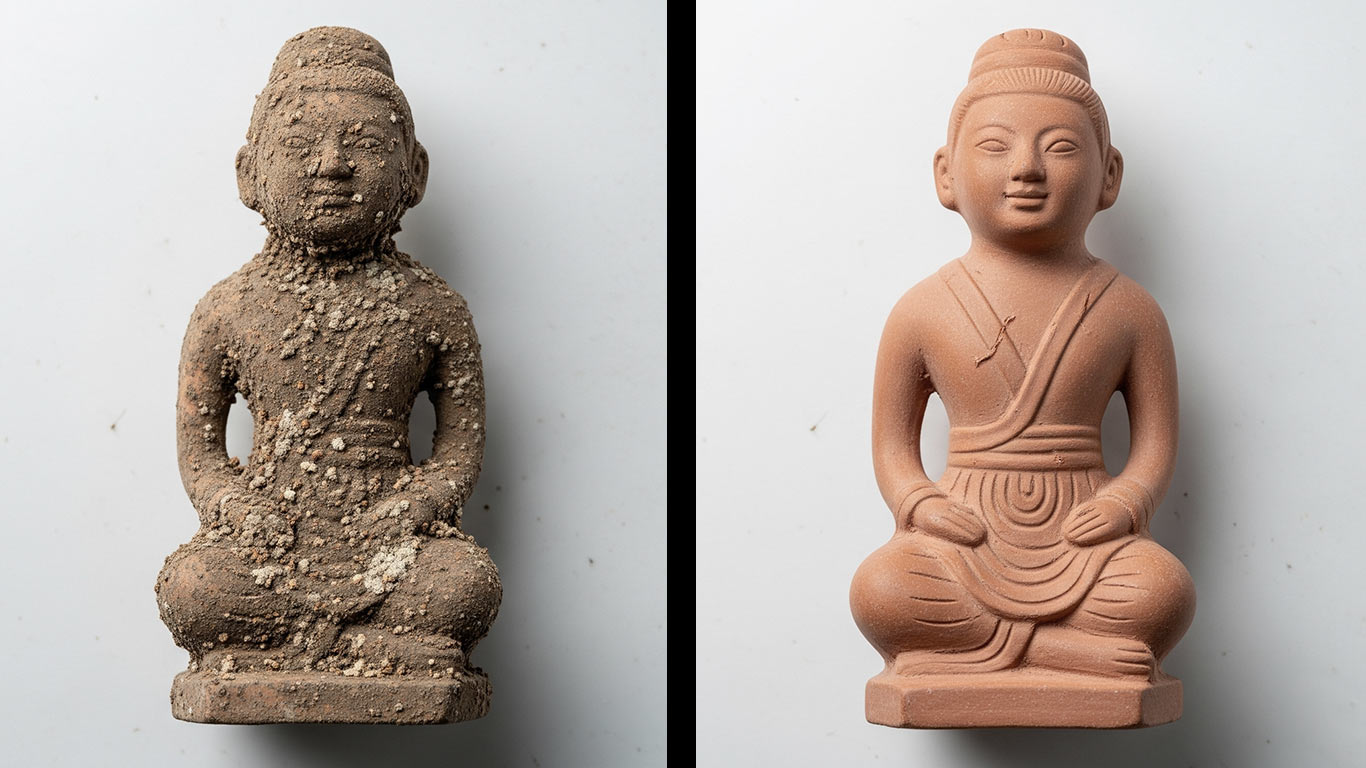

Terracotta requires a lower energy ceiling than brick because its fired clay body runs softer and more porous, so the same settings that clear a masonry wall can scorch a terracotta roof tile or flowerpot. Unglazed terracotta responds well: a calibrated pass removes soot, biological growth, and atmospheric grime without touching the fired surface underneath. Glazed terracotta changes the calculus, since aggressive settings risk dulling or pitting the glaze rather than the substrate. The method does not restore lost glaze, repair spalled edges, or reverse deep salt efflorescence that has migrated into the clay body; those need conservation repair, not cleaning. What it does handle is surface-level soiling on architectural terracotta, garden ornaments, and roof tile, restoring the original fired color without the abrasive damage that sandblasting or chemical stripping can leave behind.
| Final results | Fire char, atmospheric soiling, paint, and metallic staining are off the glazed surface, and the glaze stays intact. |
| Speed and ease | The laser clears the soil without the hour-per-side vinegar soak the legacy clean needs. |
| Contaminants | Soot, black crust, paint, and metallic deposits. |
| Methods | Water and detergent cleaning is not enough for stubborn pollution, fire-related dirt, or bird droppings. |
| Challenges | Abrasive cleaning, strong acids, high-pressure water, and metal bristle brushes will irreparably harm the glaze and expose the porous body underneath to water damage. |
Architectural terracotta takes up near-infrared energy strongly during laser cleaning because fired-clay surfaces couple well near 1064 nm with charted light absorption around 0.75 (MatWeb Material Property Data, Online Materials Information). Peer-reviewed unglazed earthenware testing keeps safe working energy between about 1.3 and 2.5 J/cm² at that wavelength, so production passes stay inside those limits while soiling often begins to leave at lower coupon settings (Systematic testing, verification and validation).
Terracotta laser cleaning starts with a firing-class and glaze call on the bench before any coupon pass. Soft-fired architectural units and glazed ornaments do not share the same energy map, so polymer or steel presets stay off this path until that call is written down. Stage silica capture next, then raise energy in small steps on scrap until soiling lifts without pink underburn or glaze crazing, and freeze that map for production (Research Progress and Challenges in Laser-Controlled Coating Removal).
Heritage terracotta facades can be laser cleaned when energy stays inside the published 1.3–2.5 J/cm²[1] band on fired clay and the piece gets a firing-class call plus silica capture before production (Fiber Coupled High Power Nd:YAG Laser for Nondestructive Laser Cleaning). Glazed ornament still needs its own coupon map so the glaze skin is not treated like bare clay.
Coupons on architectural terracotta usually open inside a 1.3–2.5 J/cm²[1] band at 1064 nm on fired clay (Fiber Coupled High Power Nd:YAG Laser for Nondestructive Laser Cleaning). Soft-fired or thin ornament stock may need smaller steps below 1.5 J/cm² until color stays even across the same coupon.
Fired-clay terracotta cleaning can release respirable crystalline silica, so crews stage HEPA source capture at the head and follow construction silica exposure limits before coupon work, including outdoor facade jobs that also watch visible-emission rules (Fiber Coupled High Power Nd:YAG Laser for Nondestructive Laser Cleaning).
Jobs fail when the firing class or glaze state is skipped, when steel or polymer presets are copied onto soft-fired faces, or when silica capture is missing at the nozzle (Fiber Coupled High Power Nd:YAG Laser for Nondestructive Laser Cleaning). Over-energy marks show as pink underburn, fired-skin loss, or glaze crazing before soiling clears.
Terracotta laser cleaning fails when firing class or glaze state gets skipped. It also fails when silica capture is missing at the head or when steel recipes land on soft-fired ornament. Over-energy marks show as pink underburn, fired-skin loss, or glaze crazing before soiling clears. Keep coupons inside 1.3–2.5 J/cm² and treat dust as silica work with capture at the head (The theory and application of nanosecond Laser).
| Condition | Consequence |
|---|---|
| Soft-fired or glazed skin run without a class call[1] | Fired-skin loss, pink underburn, or glaze crazing |
| No HEPA source capture for terracotta dust[1] | Crews breathe crystalline silica during ablation |
| Steel or polymer preset copied onto heritage terracotta[1] | Over-energy marks soft-fired faces before soiling clears |
Respirable silica and fired-clay dust from terracotta cleaning require HEPA capture before any coupon pass under OSHA 29 CFR 1926.1153, Cal/OSHA section 1532.3, and Bay Area Regulation 6 visible-emission limits on outdoor facade work (OSHA 29 CFR 1926.1153) (8 CCR §1532.3, Occupational Exposures to Respirable Crystal) (BAAQMD Regulation 6 particulate matter).
OSHA 29 CFR 1926.1153 frames respirable crystalline silica exposure when terracotta laser cleaning raises fired-clay dust without source capture on the head.[1]

Title 8 section 1532.3 mirrors construction silica permissible exposure limits when Bay Area crews ablate terracotta panels without HEPA exhaust at the nozzle.[2]

Regulation 6 limits visible plumes from industrial dust sources, so capture still matters on outdoor terracotta facade work even when the substrate is fired clay rather than bare steel.[3]
On the chart, production terracotta stays in a safe energy band from 1.3–2.5 J/cm² for 1064 nm pulsed work on fired clay, drawn from unglazed earthenware testing that covers single-pulse and multi-pulse regimes (Systematic testing, verification and validation). Among masonry peers the window is narrow next to cement and concrete, so soft-fired ornament needs smaller coupon steps than dense engineering units before you freeze the map.
Charted terracotta covers 3.5 MPa tensile strength and 2,100 kg/m³ density for laser cleaning on heritage stock (MatWeb Material Property Data, Online Materials Information). Short-pulse 1064 nm sources are the usual class for Bay Area architectural terracotta once firing class and glaze state are set. Production energy stays inside a 1.3–2.5 J/cm² band on soft-fired faces.
| Parameter | Value |
|---|---|
| Canonical substrate | Fired clay terracotta |
| Tensile strength | 3.5 MPa |
| Density | 2,100 kg/m³ |
| Typical wavelength | 1064 nm, pulsed |
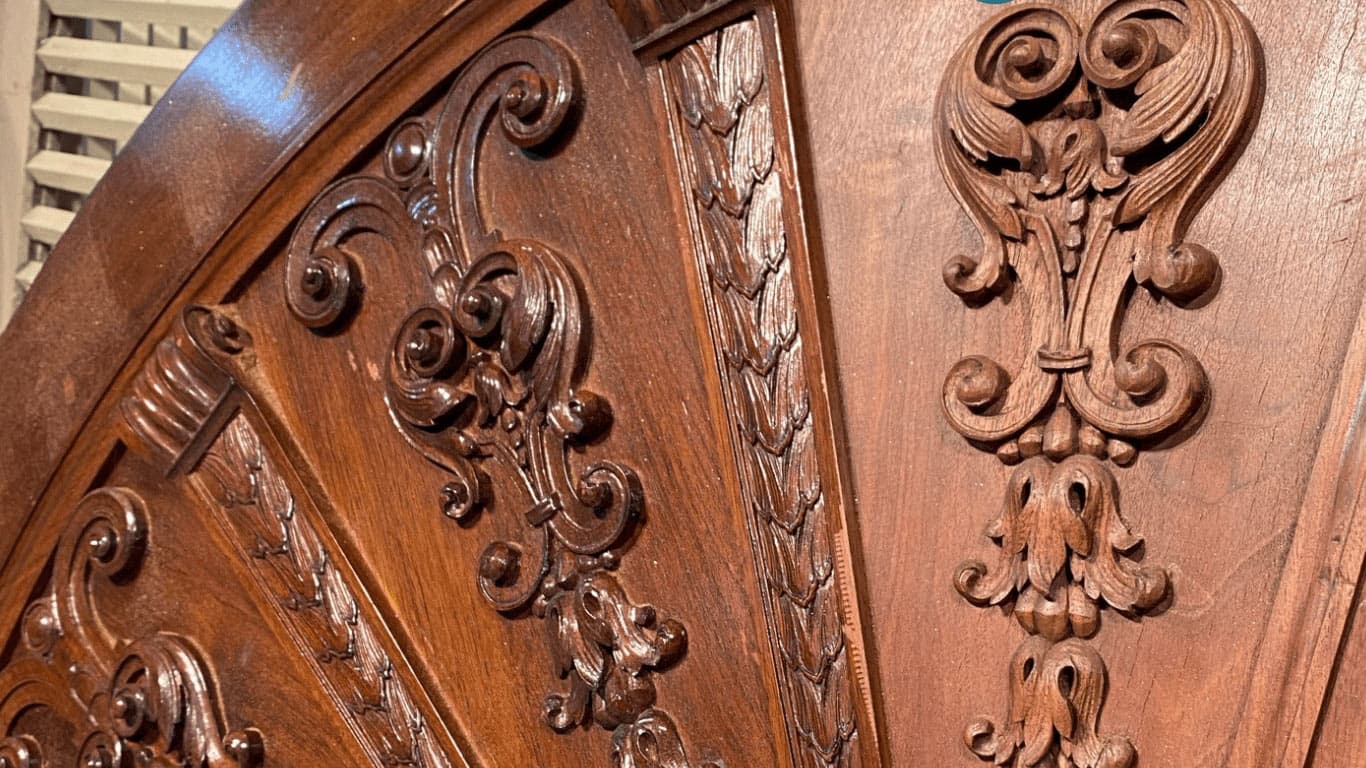
Landmark facade work requires a hidden test patch before pulsed laser cleaning touches any visible elevation. The pass removes soot, pollution crust, and graffiti from [brick](/materials/brick-laser-cleaning) and [limestone](/materials/limestone-laser-cleaning) without the abrasive contact that rounds tooling marks, and it suits [historic masonry](/applications/historic-masonry-restoration-laser-cleaning) jobs that have to stay the gentlest means that still meets the cleaning goal. It will not replace repointing, structural repair, or treatment for deep-rooted growth, and it will not strip [lead paint](/applications/lead-paint-laser-removal-bay-area) from ornamental iron in one pass without a separate low-energy setting and a capture plan. Wet, crumbling, or gilded surfaces stay off the schedule until a conservator says the fabric can take the work.
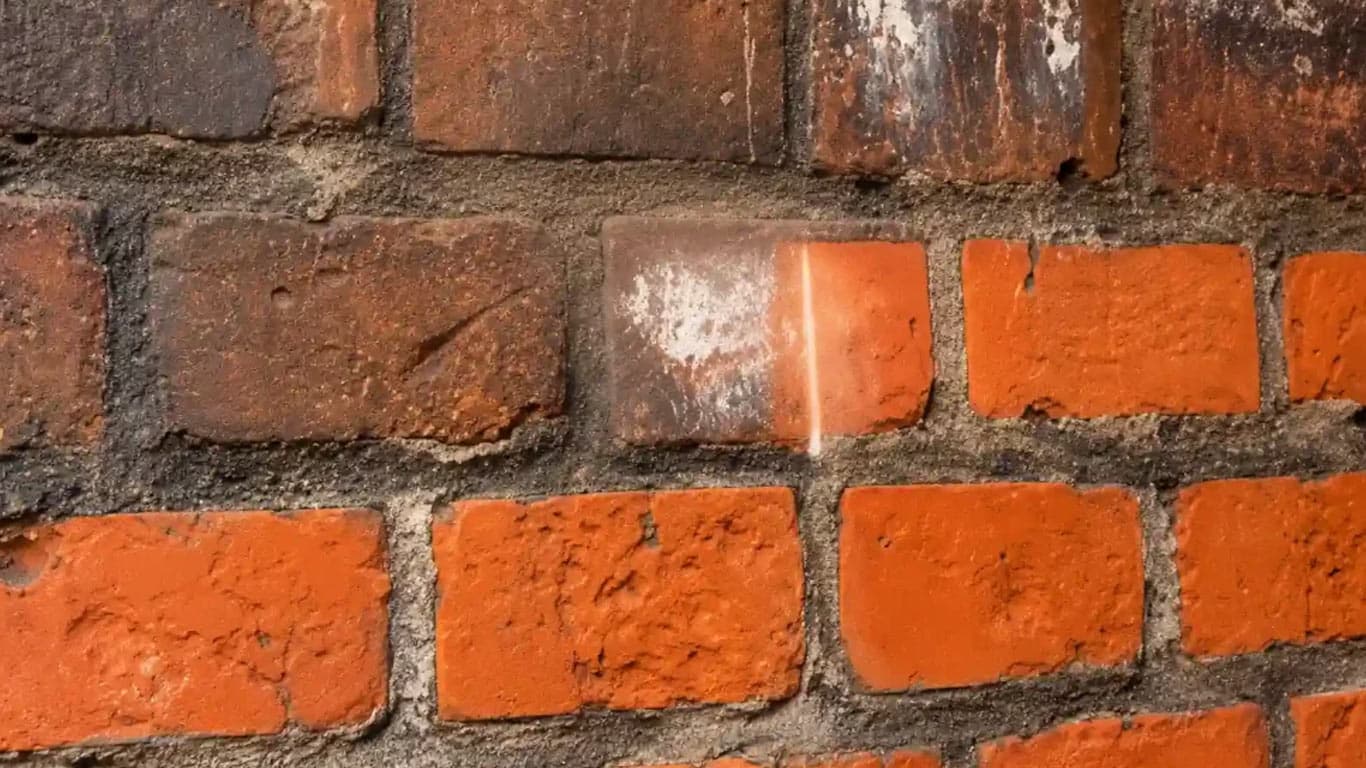
On a brick, limestone, or sandstone wall, this job removes centuries of soot, biological growth, and pollution crusts from [brick](/materials/brick-laser-cleaning), [limestone](/materials/limestone-laser-cleaning), and [sandstone](/materials/sandstone-laser-cleaning) facades without the abrasive media that etches carved detail or grinds away original tooling marks. A calibrated beam lifts surface deposits layer by layer, leaving the substrate's patina and fine ornamental relief intact where sandblasting or dry-ice methods would round edges or drive moisture into porous stone. The process will not repoint failed mortar, consolidate spalling stone, or reverse decades of weathering already beneath the crust; those repairs still need a mason. Conservators pair the cleaning with condition surveys before touching any protected facade, and the same equipment scales from single relief panels to full elevations on [heritage architectural work](/applications/heritage-architectural-laser-cleaning-applications) where soda-blasting alternatives risk salt contamination in soft masonry.
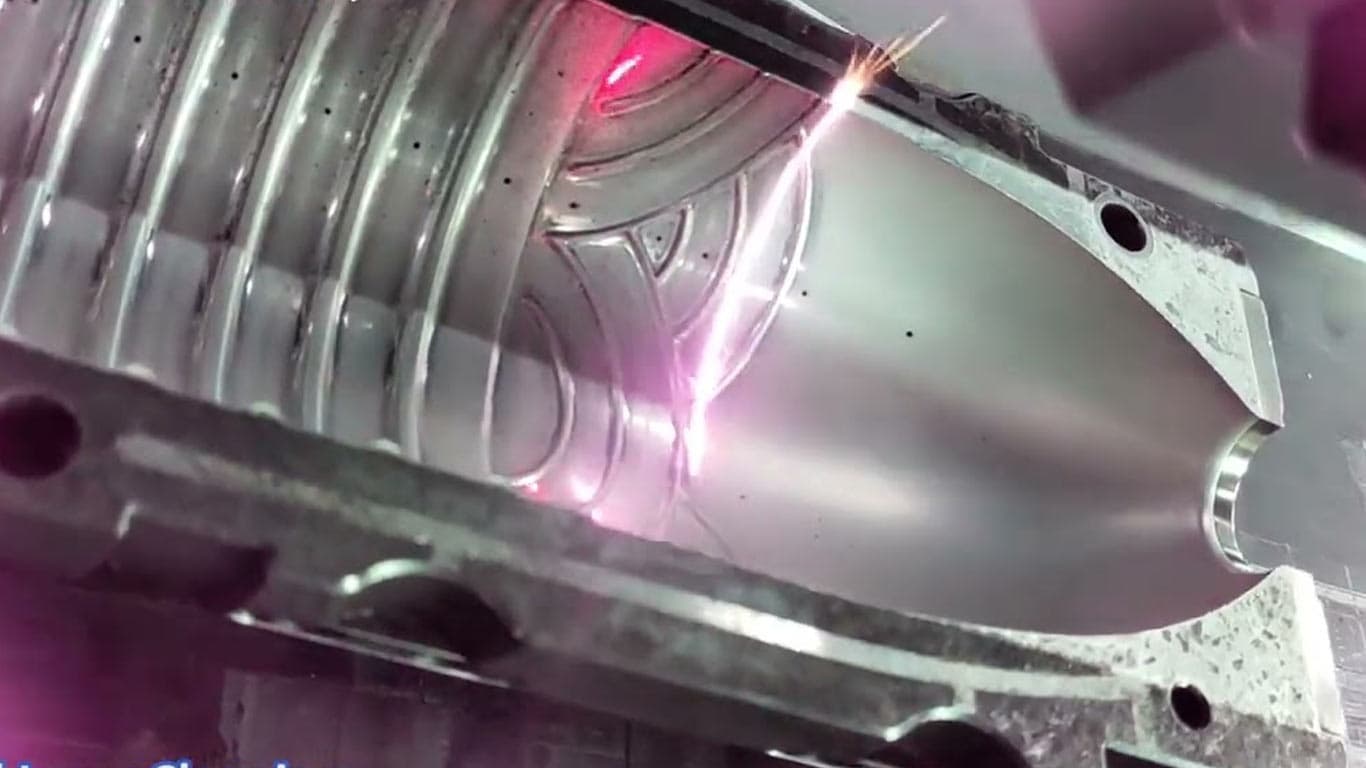
Precision surface work requires contact-free cleaning because gauge faces, optical flats, and polished tooling scratch under abrasive pads or chemical baths. Pulsed fiber sources remove fingerprint films, particulates, and thin oxide from these finishes without touching the substrate, but a continuous-wave fiber laser is not treated as a safe default here until a peer-reviewed study backs that claim. Semiconductor wafer chambers keep their own class-rated rules on [semiconductor cleanroom tooling laser cleaning](/applications/semiconductor-cleanroom-tooling-laser-cleaning), and release-layer mold work belongs on [mold and die laser cleaning](/applications/mold-die-laser-cleaning-applications) rather than here. Titanium implants and [stainless steel](/materials/stainless-steel-laser-cleaning) precision parts each need a shop-tested cleaning limit, since no single particulate count works across every polished substrate.
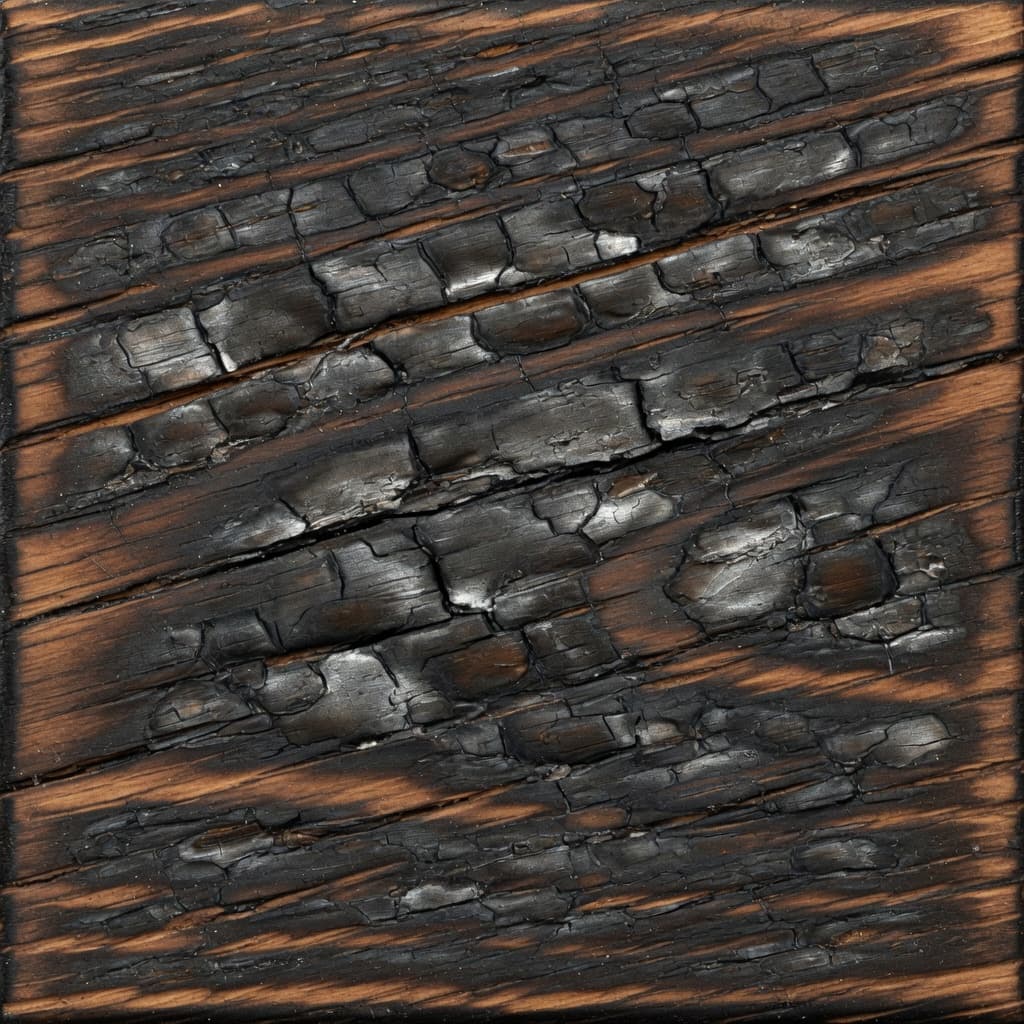
Loose soot and bonded char leave brick, concrete, and painted exterior trim under a dry pulsed near-infrared pass that replaces water, chemical sponges, and grit. Burned drywall paper and timber that already lost structural backing stay outside this page, and any wood still needs a scrap coupon before production settings.
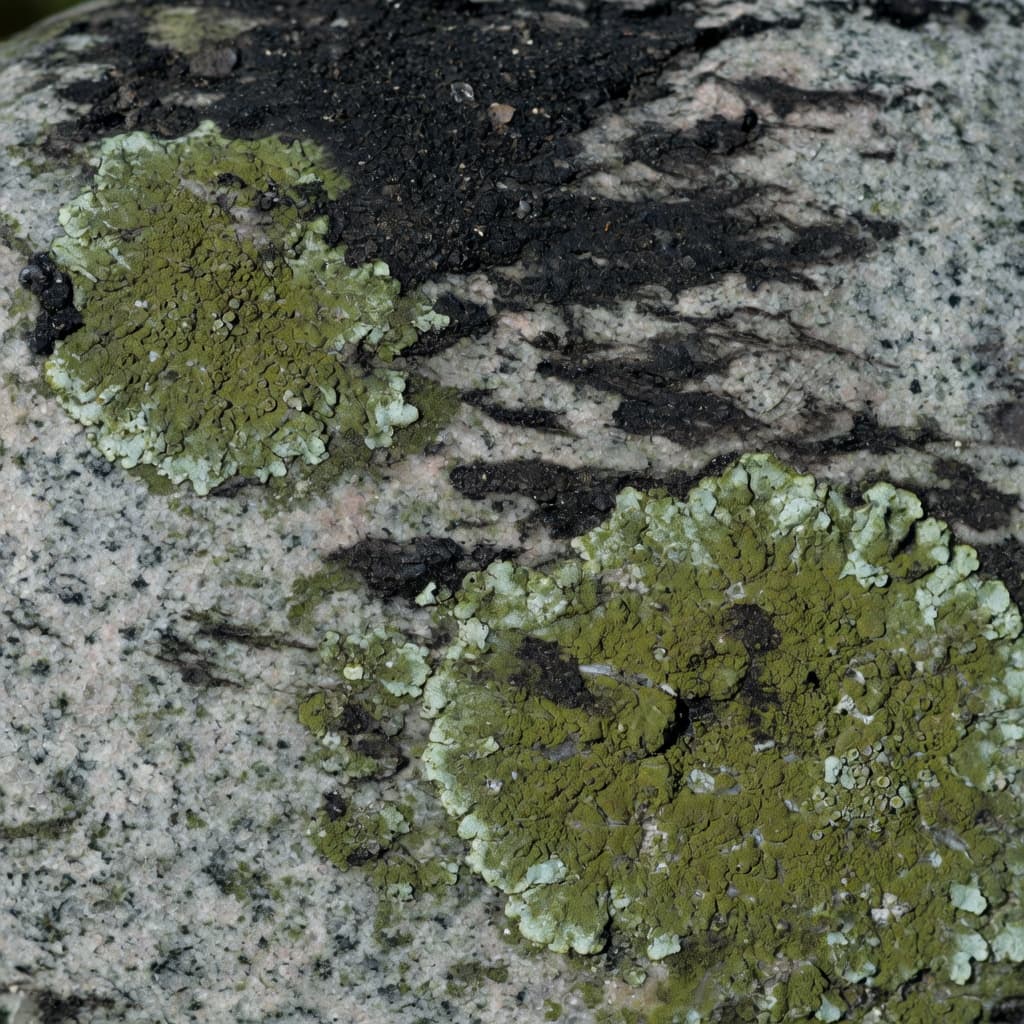
Black crust on marble, limestone, sandstone, and granite is a gypsum-soot film that absorbs far more pulsed-laser energy than the pale stone underneath it, which is what lets a pulsed pass remove the deposit before the parent stone takes damage. Sandstone carries the tightest margin between crust removal and surface damage of the stones on this page, so a labeled offcut test matters there even when a wider marble coupon already cleared.
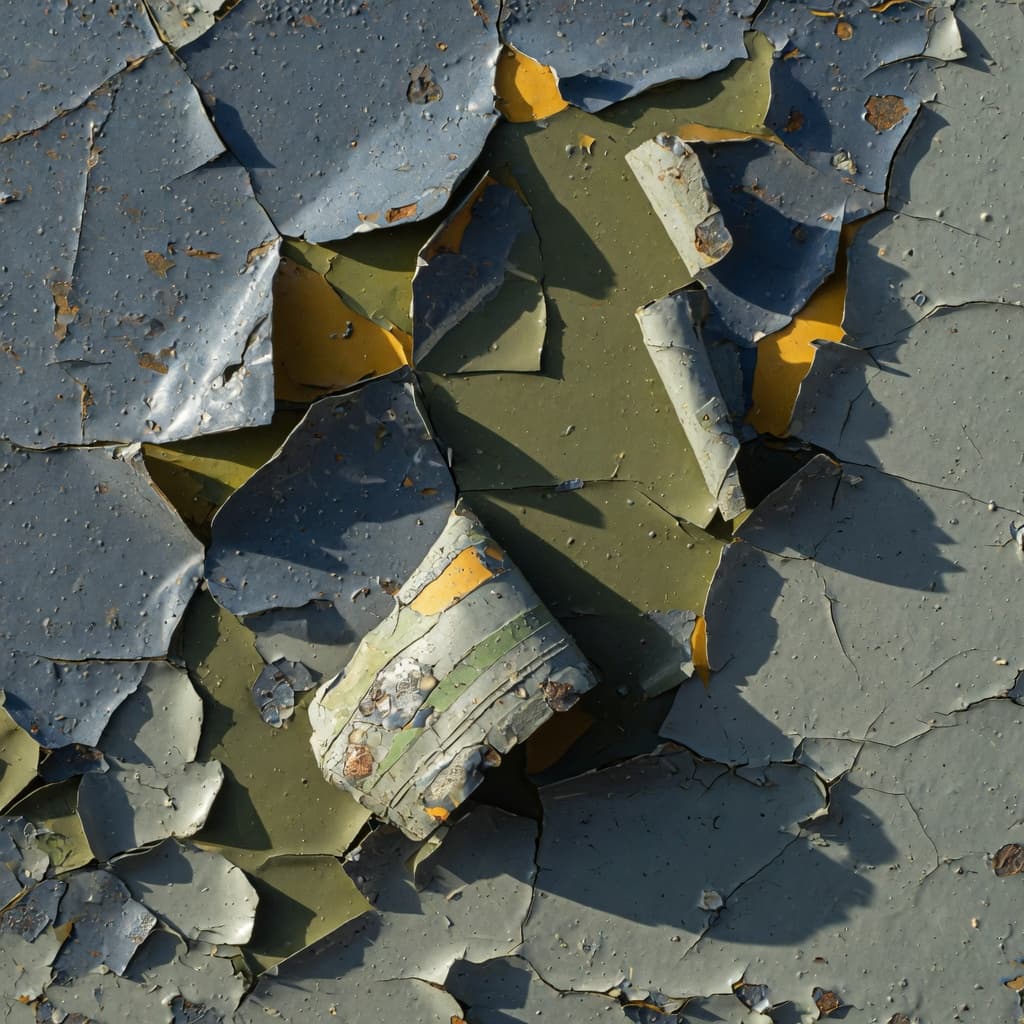
Requires matching the paint system and substrate pairing before setting energy, because a thin single topcoat on [steel](/materials/steel-laser-cleaning) clears at a fraction of the fluence a multilayer primer stack on [aluminum](/materials/aluminum-laser-cleaning) needs, and the substrate sets its own ceiling once the coating is gone. Paint sits as an applied, cross-linked polymer film bonded by mechanical keying and resin adhesion, not a corrosion product, so pigment load and binder chemistry decide more of the setting than the substrate alone. A surface-integrity study on laser-cleaned aluminum alloy carrying a paint layer documents that a visually bare finish does not by itself confirm the metal underneath escaped the pass undamaged (Applied Optics, 2024).
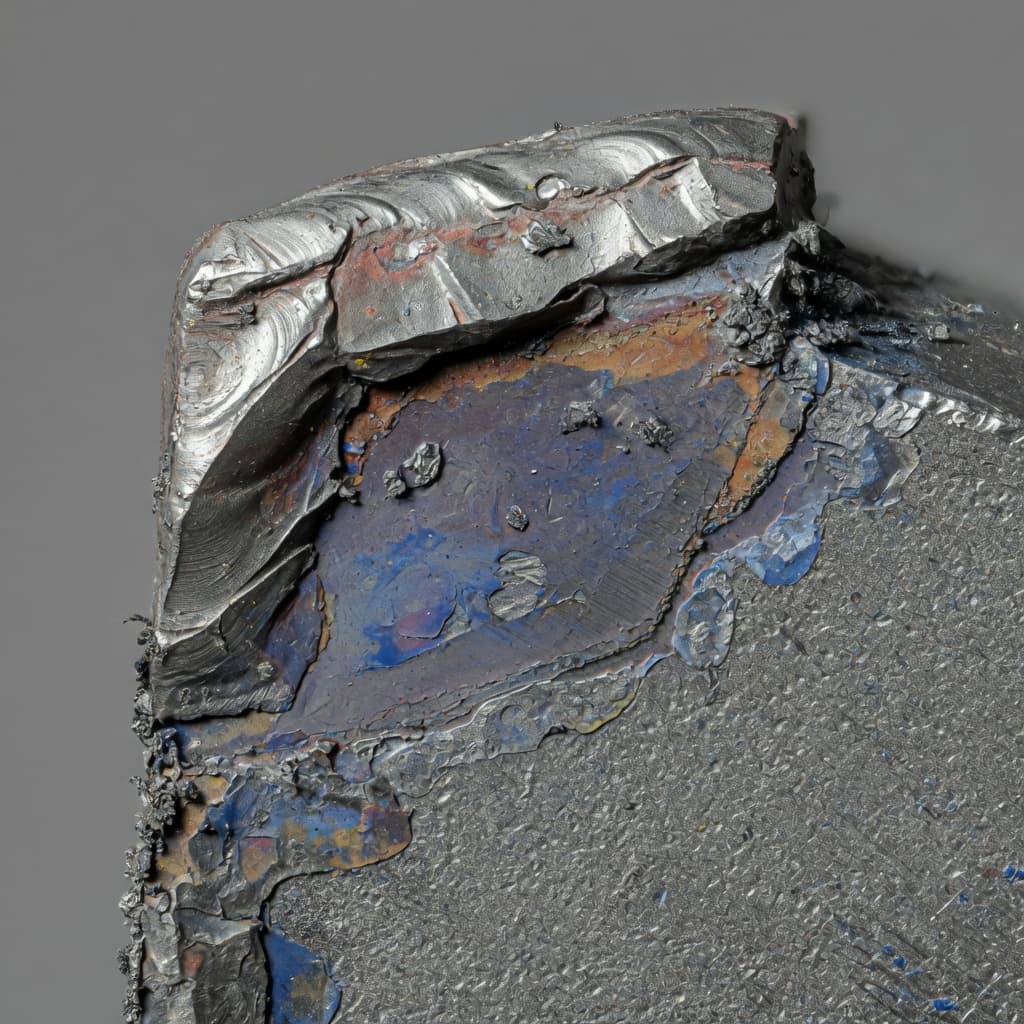
Requires reading the deposit-substrate pair before setting energy, because a [built-up edge](/materials/aluminum-laser-cleaning) on a carbide insert and the same cold-welded smear on a [tool-steel](/materials/tool-steel-laser-cleaning) die do not clear at the same fluence. The deposit got there by mechanical transfer, pressure welding during machining, adhesive wear between sliding parts, or hot workpiece pickup on a die, not by a chemical reaction with the base metal, so a matching offcut decides the setting rather than a rust or oxide default. Built-up edge on cutting tools forms when chip material pressure-welds to the rake face, work-hardens, and seizes the tip, the same transfer path that shows up as galling on dies and as hot pickup on a [tungsten-carbide](/materials/tungsten-carbide-laser-cleaning) cutting edge.

