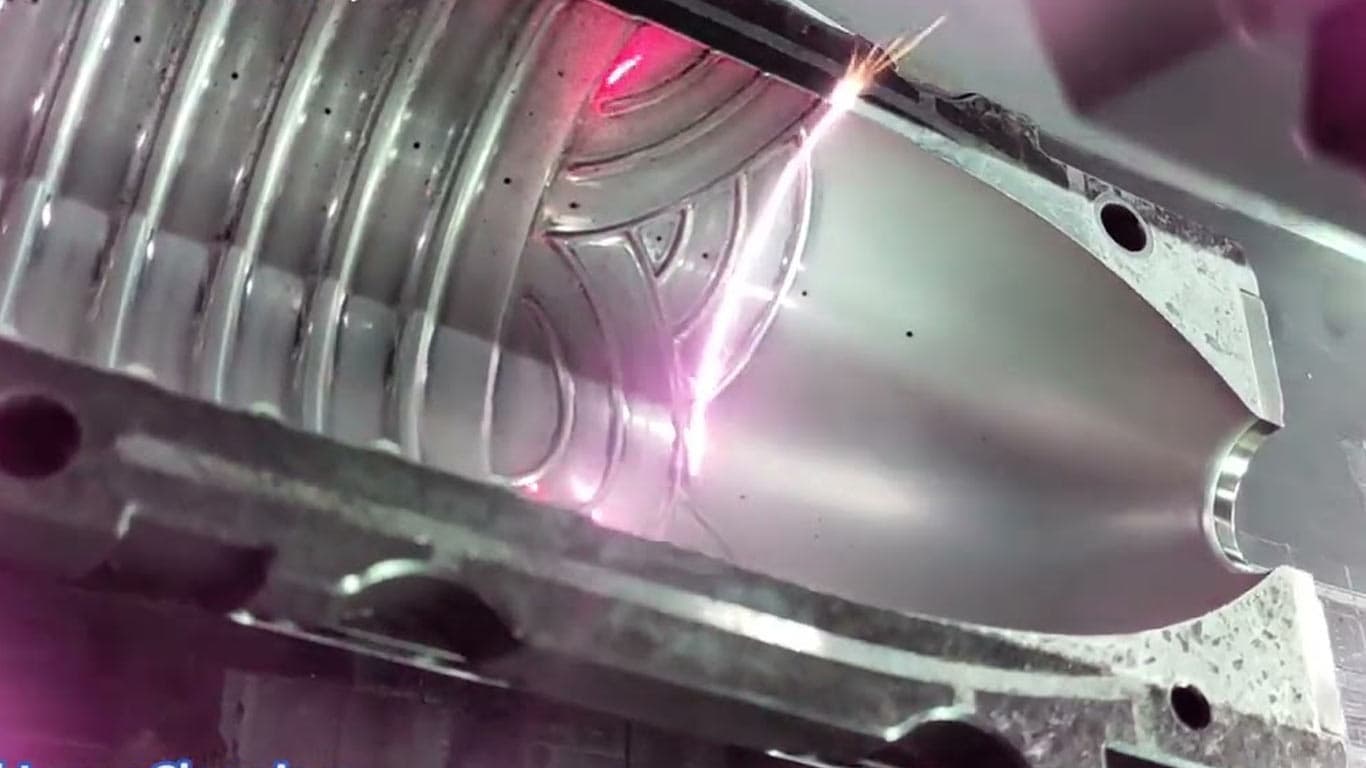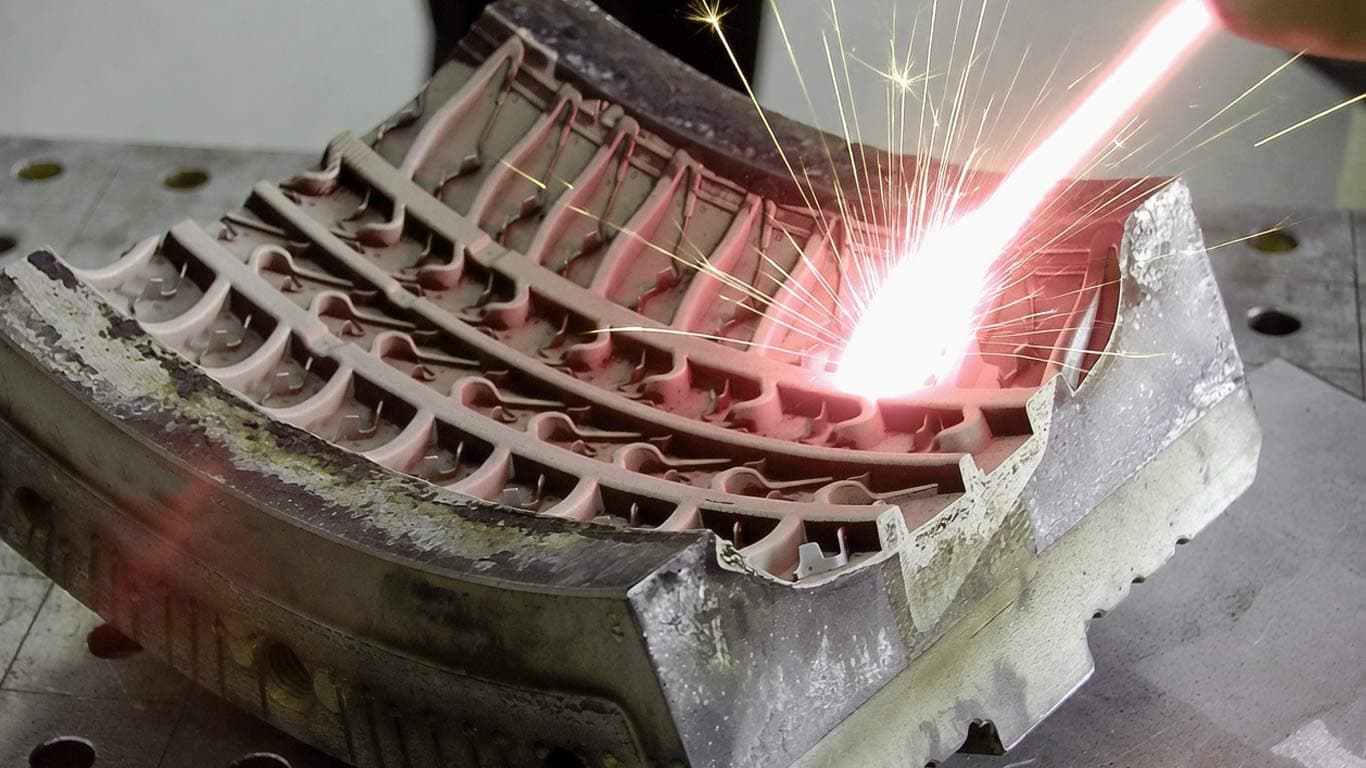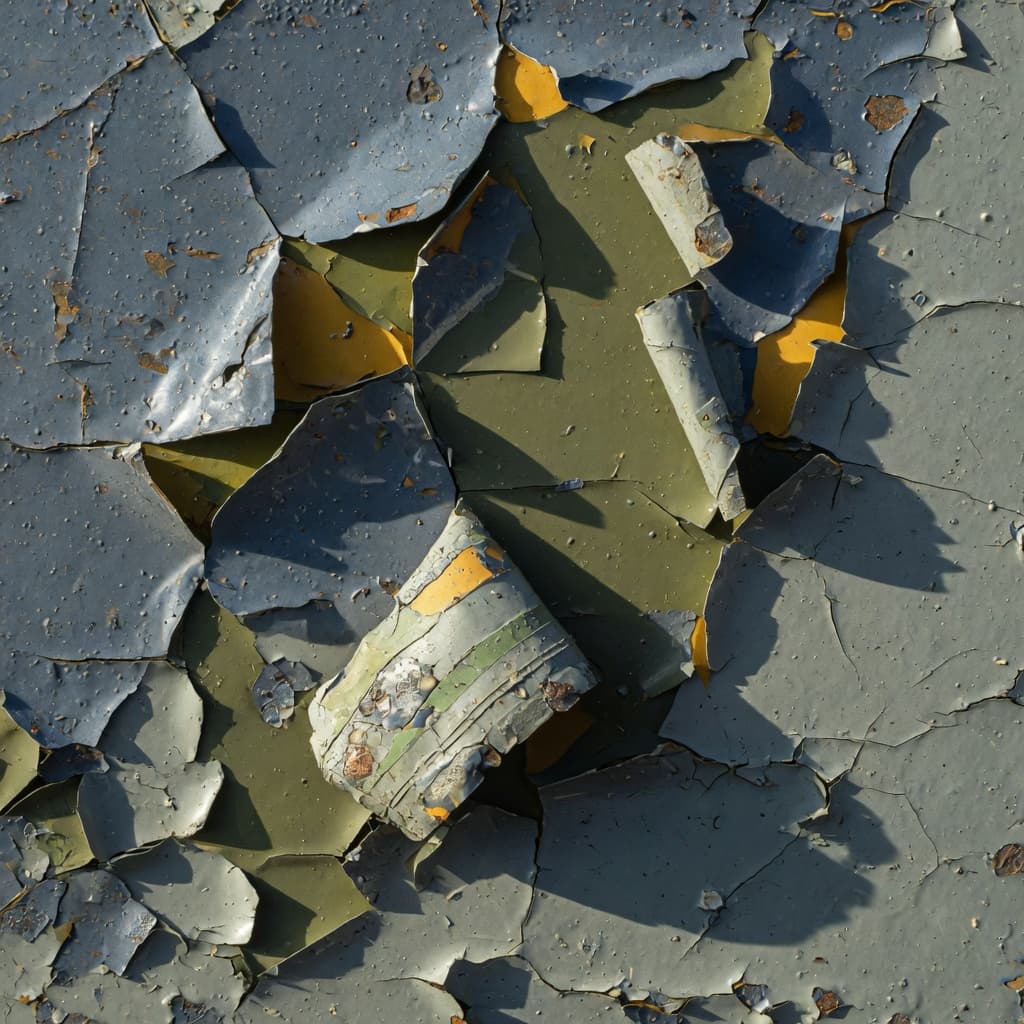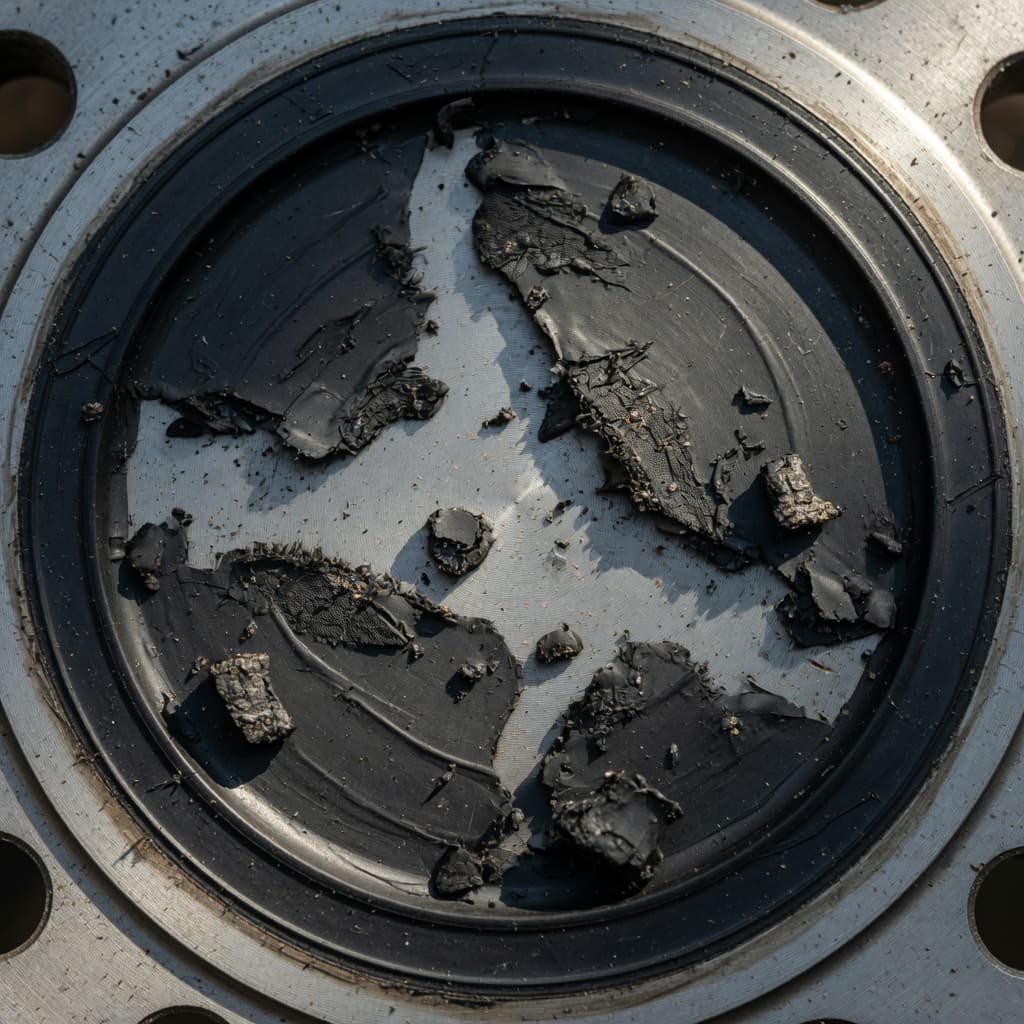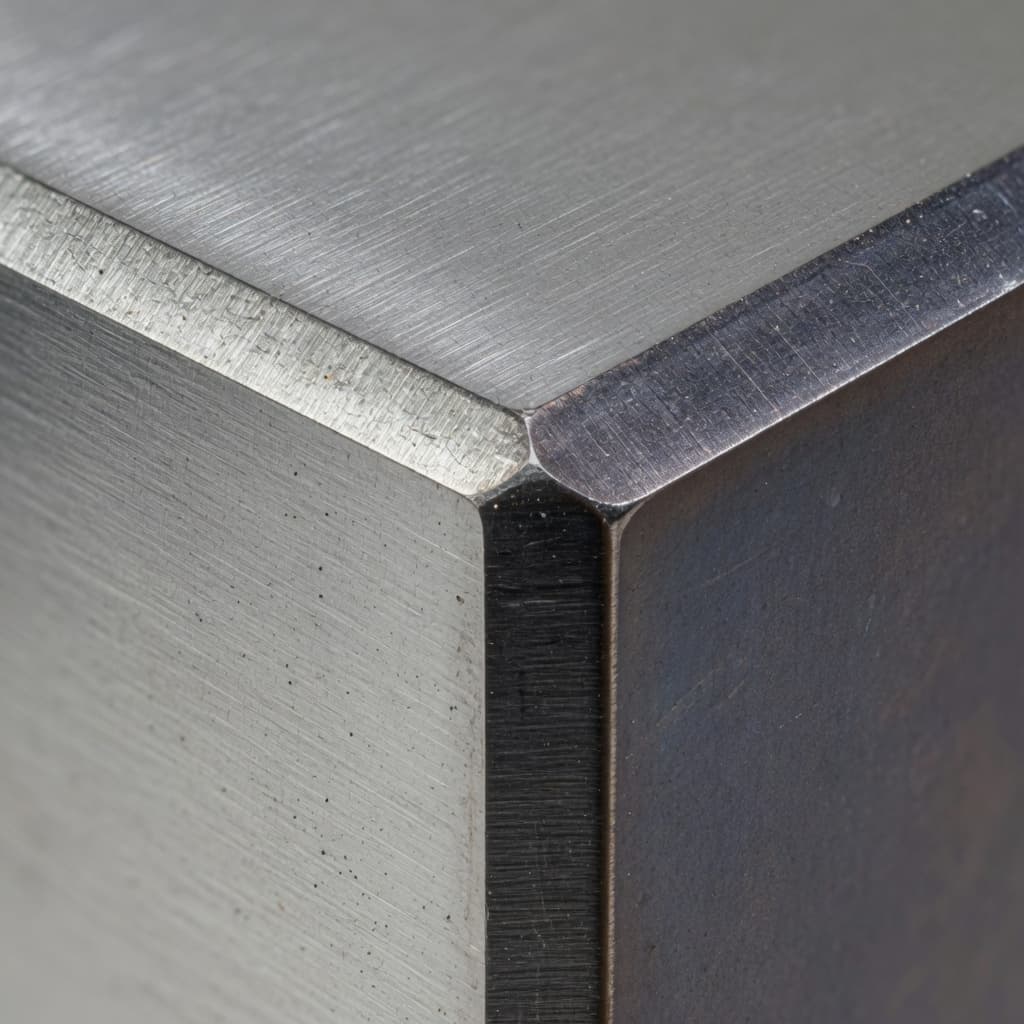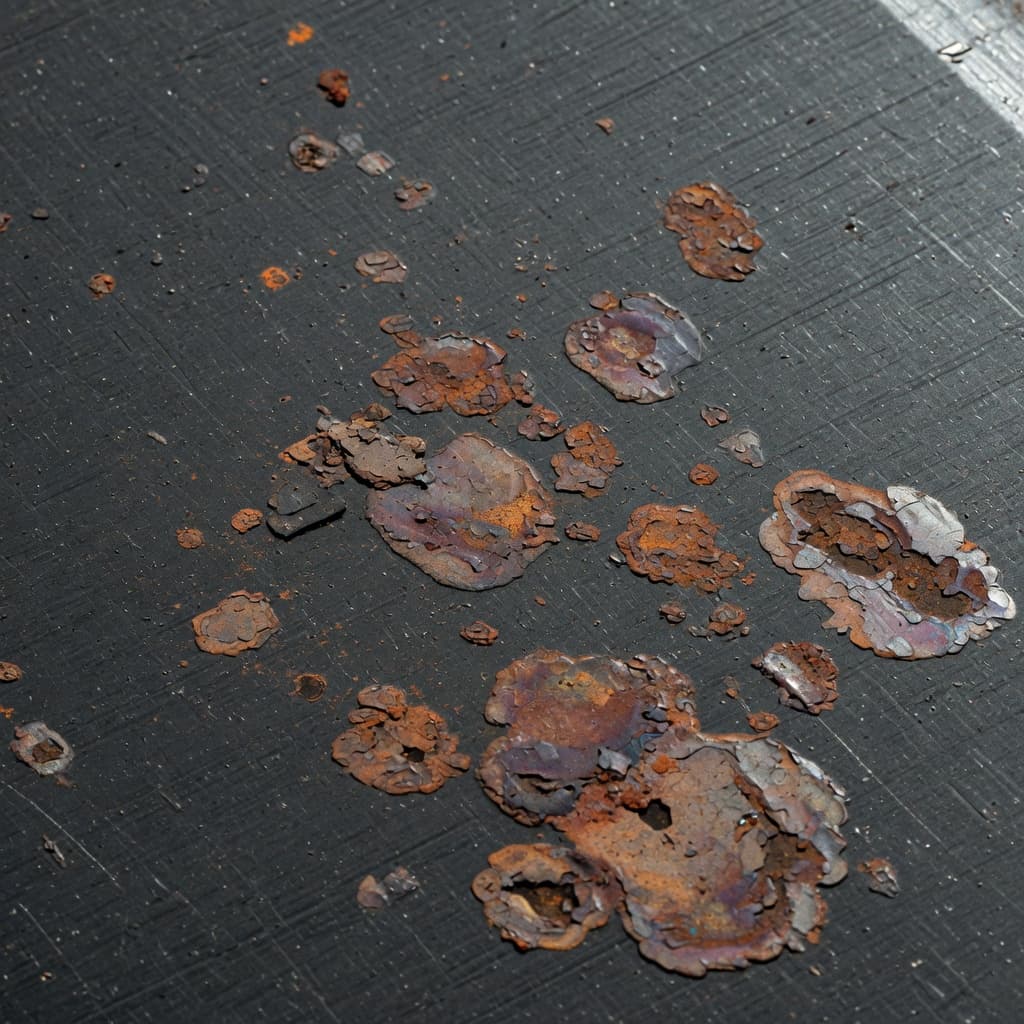

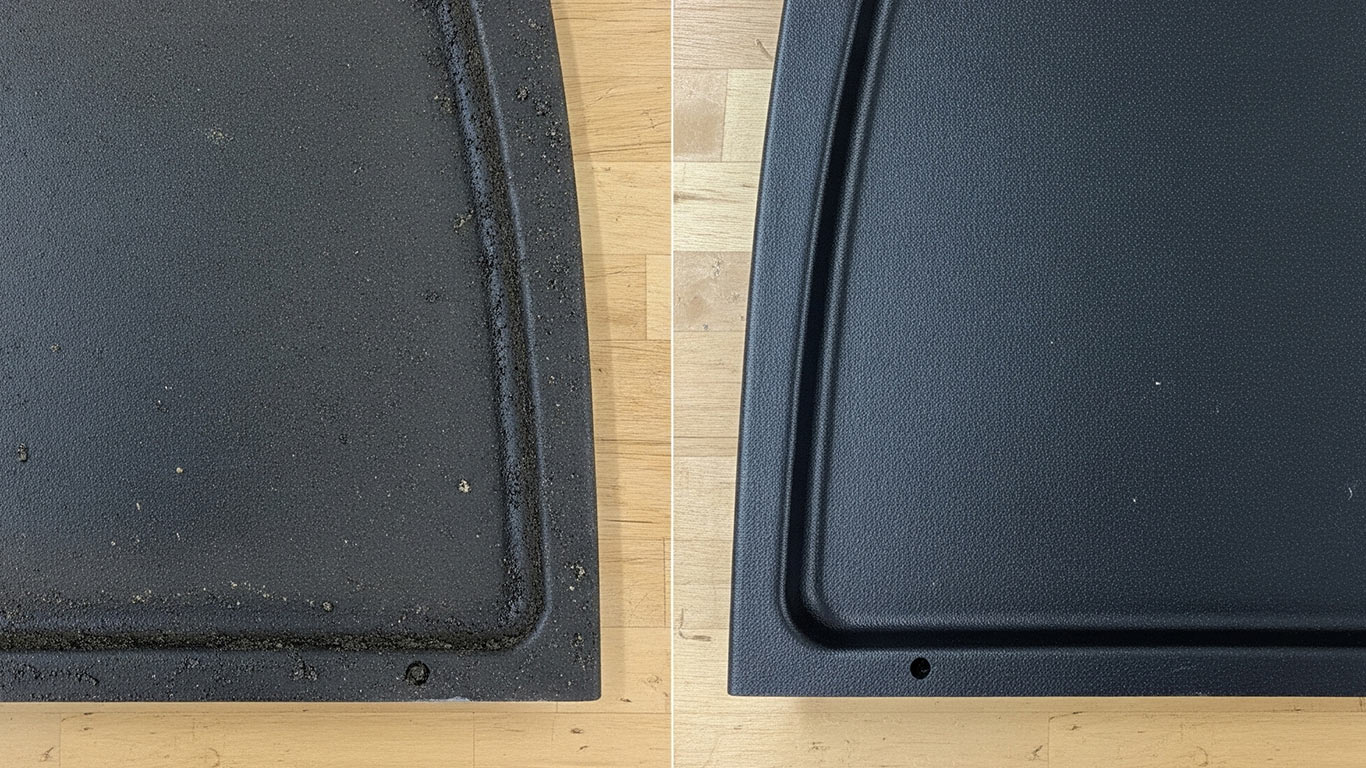

Kevlar-Reinforced Polymer surface undergoing laser cleaning showing precise contamination removal
Alessandro Moretti
Alessandro MorettiPh.D.Italy
Materials process development for ceramics and alloys
Published
Jan 6, 2026

Kevlar-Reinforced Polymer Laser Cleaning

Laser cleaning removes surface coatings, resin bloom, and mold release residue from Kevlar-reinforced polymer without cutting into the aramid layer underneath, a limit abrasive blasting and chemical strippers routinely miss. Para-aramid fiber does not behave like glass or carbon fiber under a beam. Pushed too hot, the strands shrink and char instead of ablating cleanly, and the wrong pulse settings can leave a frayed fringe of exposed, singed fiber at the panel edge instead of a clean line. That sensitivity is why Kevlar-reinforced polymer is not treated like fiberglass or FRPU; each fiber and resin pairing needs settings tuned to it, not borrowed from another composite, or the laminate delaminates at the surface. Laser cleaning won't repair ballistic fiber damage, restore impact-degraded laminate strength, or replace a structural inspection once the surface work is done. On aerospace and defense armor panels and composite manufacturing tooling, that gap between a clean surface and intact fiber decides whether the part stays airworthy.

Steps and considerations when laser cleaning kevlar reinforced polymer

Crews keep aramid laminate work on a fiber path that sits next to carbon fiber cells rather than on a steel oxide recipe. Name the layup, resin, and any paint or release film before the first pulse, then stage dust capture at the head. Coupon a scrap edge inside the careful production energy band and raise power only while fibers stay covered. Link the same floor to aerospace defense cleaning when panels share a hangar with carbon fiber parts (Bratasz et al. 2022 polymer laser review).

1Confirm layup and reject unknown skins
  • Record woven versus unidirectional aramid, epoxy or other matrix, and any paint, primer, or mold release still on the face.
  • If fiber type, resin system, or coating stack cannot be confirmed, stop and reclassify rather than copying a carbon fiber or metal map.
2Stage dust capture before energy climbs
  • Place local extraction at the beam head so aramid fiber dust and resin smoke do not hang in the breathing zone.
  • Keep outdoor or bay-door plumes inside visible-emission expectations while capture runs indoors.
3Prove energy on scrap of the same layup
  • Begin at the low end of the production band and step upward only while fibers stay covered and the matrix does not brown.
  • End a step if yellowing, fiber fuzz, or resin char appears because aramid decomposes near 500 degrees Celsius without a clean melt pool.
Sources(1 reference)
  1. Micro-texturing of polymer surfaces using lasers: a review link.springer.com (opens in new tab)Polymer laser process framing for aramid composite cleaning

Questions buyers ask about kevlar reinforced polymer laser cleaning

  • Can laser cleaning fray Kevlar fibers?

    Too much energy can expose or fray aramid fibers after the resin softens, the same way over-cleaning harms carbon fiber laminates. Fiber nap or matrix browning means the pass went too far.

  • Does Kevlar melt under the laser?

    Aramid fibers typically decompose near about 500 degrees Celsius without forming a clean melt pool. Overheating shows up as charring and fuzzy fiber ends rather than a shiny bead.

  • What dust controls apply on aramid work?

    Dry cleaning throws fiber dust and resin smoke into shop air. Capture at the head and follow particulate exposure tables before raising energy on production parts (IR and UV laser cleaning of polymers).

  • Is Kevlar cleaned like carbon fiber?

    Treat the job as a peer composite path beside carbon fiber work. Clear films first, watch resin and fiber together, and keep energy climbs careful. Aramid lacks a melt cue, so char and fiber fuzz are the hard stops.

Sources(1 reference)
  1. IR and UV laser ablation of polymers (PubMed 11900137) pubmed.ncbi.nlm.nih.gov (opens in new tab)Polymer laser ablation framing for dust and thermal damage watch-outs