


Video
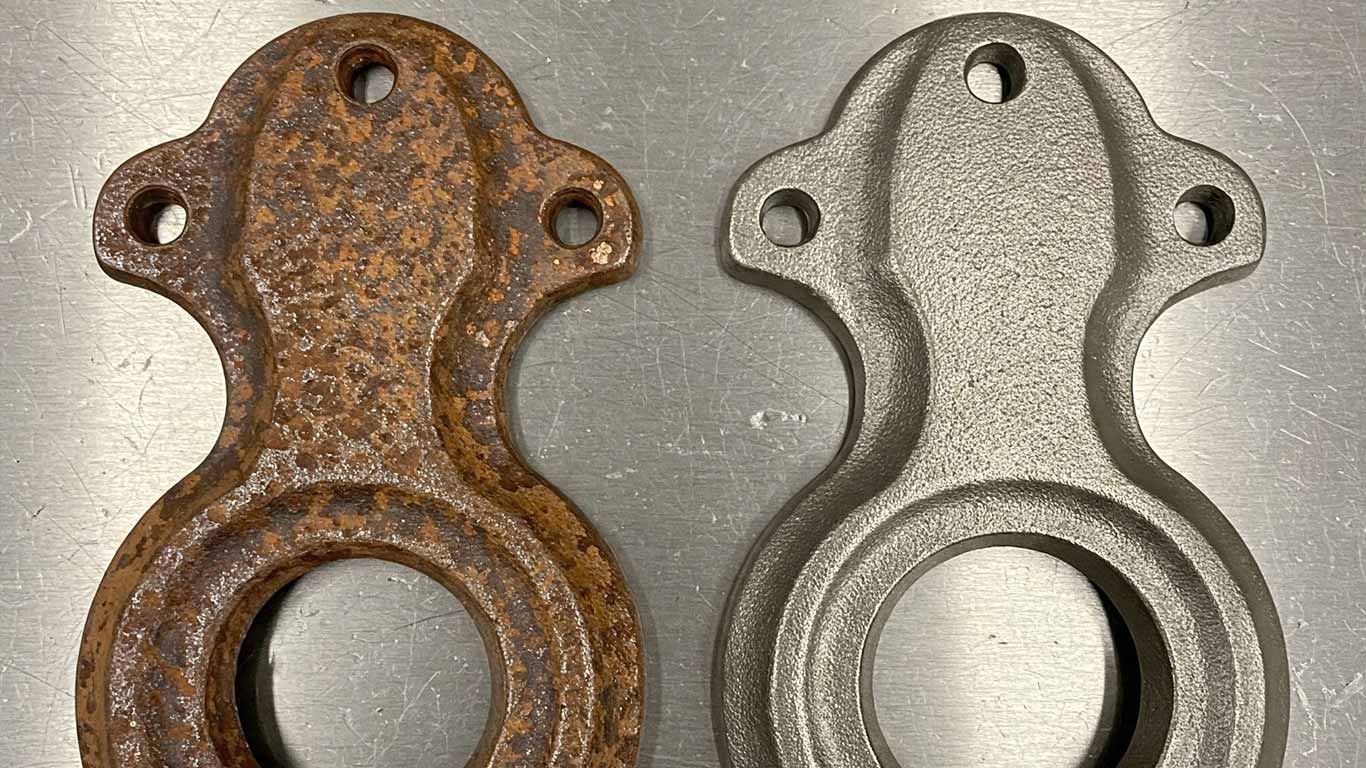

Rust and mill scale come off iron without abrasive blasting the face. Thickness and moisture in that rust change the job. Cast iron with graphite at the surface does not behave like wrought stock. A freshly cleaned face flash-rusts in damp air. Energy high enough to hurt the metal will melt peaks or leave a recast skin. Useful work removes the oxide and stops before the iron itself is cut. The next coat or oil has to go on before new rust starts.
| Final results | Iron oxide rust, mill scale, paint, oil and grease, and fire char and weathering come off the wrought iron, and the metal stays full thickness. |
| Speed and ease | The duration isn't known, but the laser clears the rust and scale without the legacy hand-cleaning labor with wire brushes and scrapers. |
| Contaminants | Rust, mill scale, paint, grease and oil, and soot. |
| Methods | On iron and steel, blast and grinding take the rust by taking metal with it, and they leave grit in the face. |
| Challenges | A wire brush or sandpaper alone doesn't clear stubborn rust, forcing escalation to a rust dissolver or a gentle acid solution. High-intensity blasting can erode the underlying metal along with the rust, especially on thin or delicate sections. |
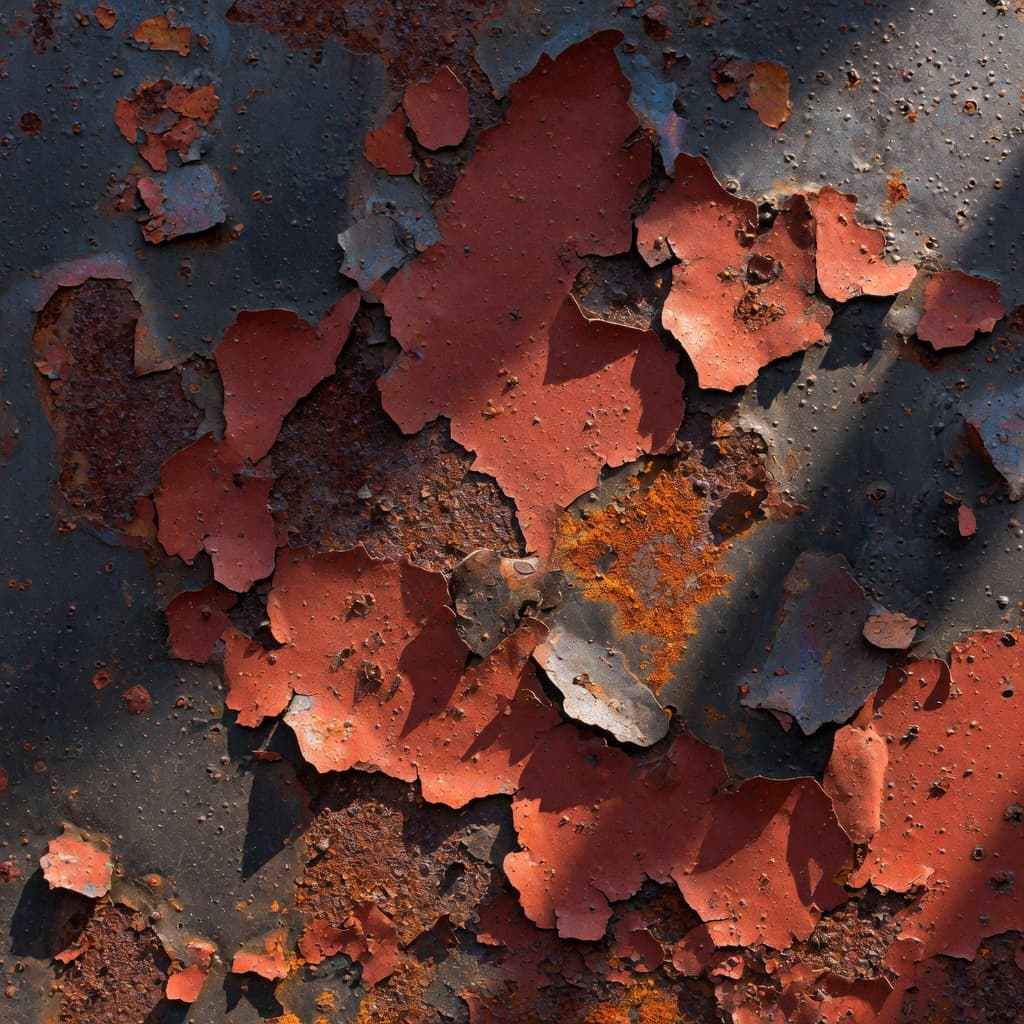
Laser cleaning removes iron oxide rust from steel down to bare metal without grinding wheels, abrasive blasting, or chemical strippers. The beam ablates the oxide layer while leaving sound steel underneath intact, so a part keeps its original dimension and surface finish through cleaning. It will not reverse pitting the rust already caused, repair corrosion damage done to the substrate, or clear a part in one blanket setting; rust depth and iron oxide type both change how many passes the surface needs before it is ready for inspection.
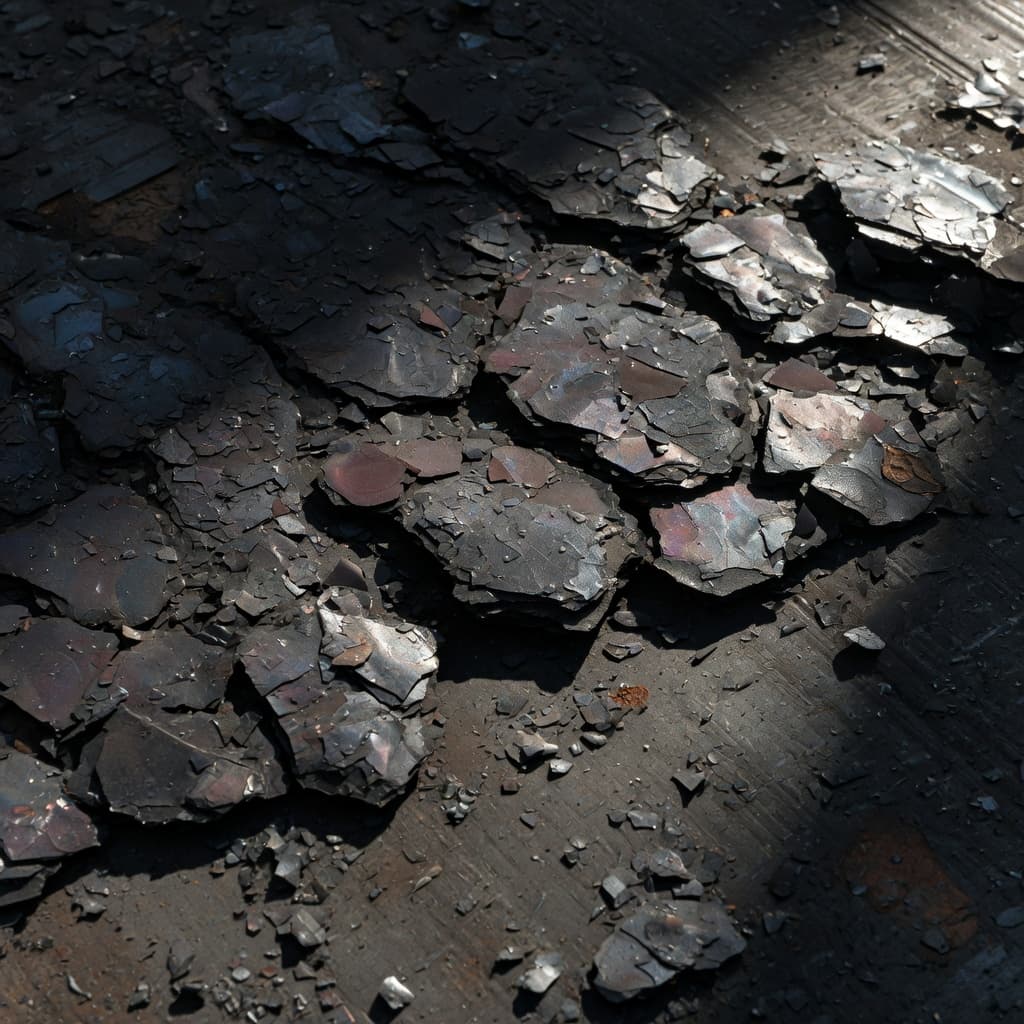
Laser cleaning fractures the bluish-black magnetite laminate off carbon steel in repeated passes, because mill scale runs roughly four times harder than the plate underneath it. A hot-rolled plate carrying this scale typically needs four or more passes to reach bare metal, while a lighter rust bloom on the same yard stock can clear in one or two. It will not strip in a single rust-grade pass, will not raise the surface to a deep abrasive-blast anchor profile some coating specs still call for, and will not reverse pitting that was already hiding under the scale.
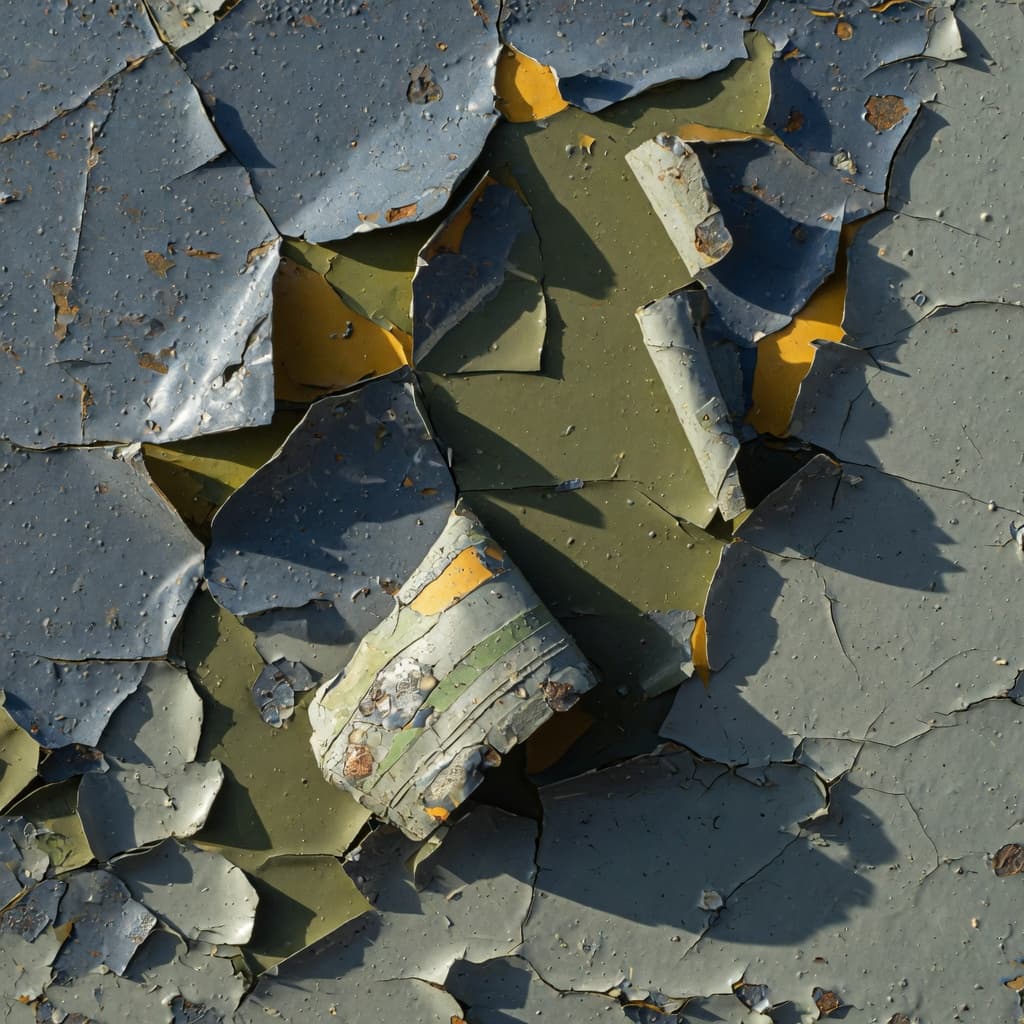
Requires matching the paint system and substrate pairing before setting energy, because a thin single topcoat on [steel](/materials/steel-laser-cleaning) clears at a fraction of the fluence a multilayer primer stack on [aluminum](/materials/aluminum-laser-cleaning) needs, and the substrate sets its own ceiling once the coating is gone. Paint sits as an applied, cross-linked polymer film bonded by mechanical keying and resin adhesion, not a corrosion product, so pigment load and binder chemistry decide more of the setting than the substrate alone. A surface-integrity study on laser-cleaned aluminum alloy carrying a paint layer documents that a visually bare finish does not by itself confirm the metal underneath escaped the pass undamaged (Applied Optics, 2024).
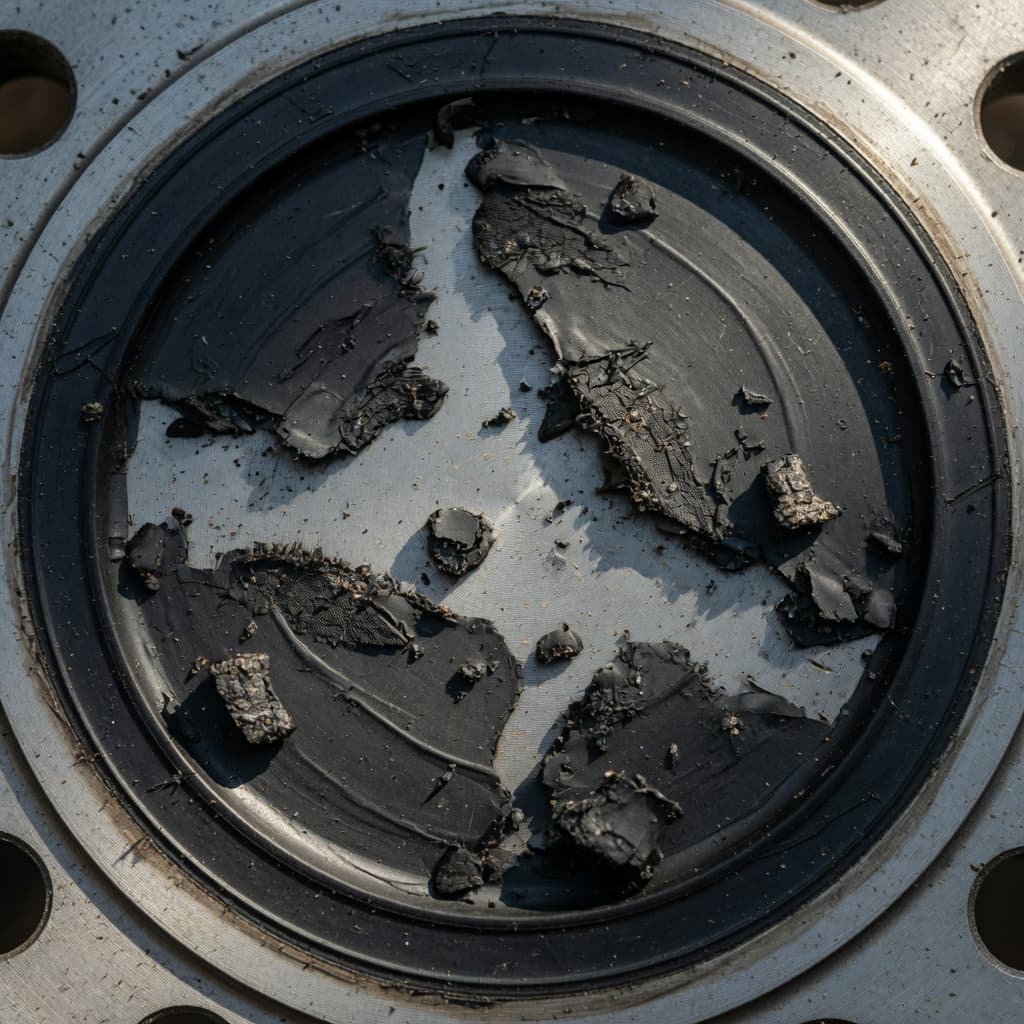
Laser cleaning decomposes mineral oil, synthetic lubricant, and machine grease off steel, aluminum, and stainless steel through fast thermal breakdown of the hydrocarbon film, the same damage-threshold logic that broader laser-cleaning threshold research has documented across very different host materials (Journal of Cultural Heritage, 2000). It is not a substitute for a wet alkaline line degreasing a full rack of parts at once, and it will not clear a bonded hard coating or a thick paint stack sitting on top of the oil.
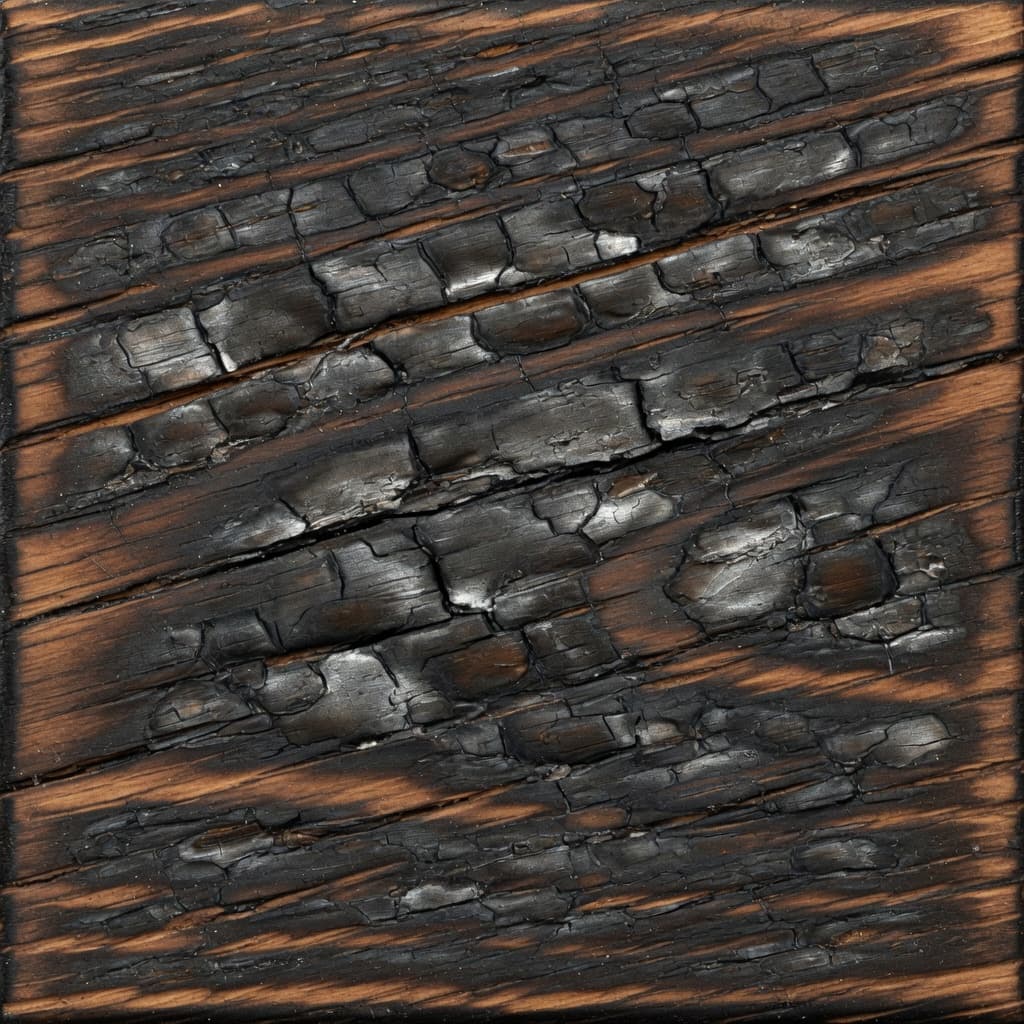
Loose soot and bonded char leave brick, concrete, and painted exterior trim under a dry pulsed near-infrared pass that replaces water, chemical sponges, and grit. Burned drywall paper and timber that already lost structural backing stay outside this page, and any wood still needs a scrap coupon before production settings.
Wrought iron fails under a cast-iron or carbon-steel removal recipe because its near-pure microstructure responds differently at the same fluence. Start from the ferrous chart band near 1.0 J/cm² at 1064 nm, the same band that governs rust removal on ferrous surfaces, then confirm the result on scrap from the same lot before committing to a full pass.[1]
Iron cleaning requires source capture because it releases iron oxide fume and metal dust, not a toxic alloy fume with its own named limit. OSHA Table Z-1 sets the fume ceiling at 10 mg/m³ as an eight-hour average, Cal/OSHA applies the same style of airborne-contaminant limit under Title 8 Section 5155 inside California, and BAAQMD polices visible emissions under Regulation 6 for outdoor work on Bay Area sites. None of these three name a permit trigger specific to iron, so keeping dust and fume under those limits stays on the operation regardless of where the work happens.[2][3]

OSHA Table Z-1 governs iron oxide fume at 10 mg/m³ as an eight-hour time-weighted average. Source capture is required whenever that fume sits in the breathing zone during cleaning, since general room ventilation does not reliably hold exposure under that limit on its own.[1]

Title 8 Section 5155 governs the airborne contaminant tables that apply in California when iron cleaning raises metal dust and fume indoors. These state limits sit alongside the federal OSHA tables, and indoor work on iron still needs the same source capture to stay under them.[2]

BAAQMD Regulation 6 governs visible emissions, limiting them to Ringelmann No. 1 for no more than three minutes per hour. Outdoor iron cleaning on Bay Area sites still needs capture to keep dust and fume plumes under that visible-emission ceiling.[3]
A cast-iron or carbon-steel recipe fails on wrought iron because this chart's safe band sits at 1.0 J/cm². Confirming the alloy and capturing iron oxide fume at the source keeps mixed hardware and dust exposure from turning that clean look into a failed part.[1]
| Condition | Consequence |
|---|---|
| A fluence setting borrowed from a cast-iron or carbon-steel recipe applied to wrought iron.[1] | This chart sets the safe band at 1.0 J/cm², and a borrowed number can push past it into the substrate damage a thermal-effects review warns against (Hou 2024). |
| Mixed antique or reclaimed hardware treated as modern alloy steel instead of wrought iron.[1] | The energy setting freezes around the wrong base metal, and a fluence sized for alloy steel runs too hot or too soft for the actual wrought iron part. |
| No source capture for iron oxide dust and fume generated during cleaning.[1] | Airborne iron oxide fume can exceed 10 mg/m³ as an eight-hour average, the limit OSHA Table Z-1 sets for workers nearby. |
Wrought iron keeps its surface intact only within a narrow energy band, running from a 1.5 J/cm² floor to a 2.5 J/cm² ceiling. That ceiling lines up with measured oxide removal of 1.42–4.26 J/cm² on ferrous test coupons (Applied Sciences 2024), so the safer setting sits near the floor to protect thin sections. 52 of 52 pulsed machines in-window. Parity basis: datasheet max pulse energy (mJ) only · pulsed · ~1064 nm · shared contaminant thresholds · modeled spot (not a certified cross-OEM test).
Wrought iron is nearly pure iron, distinguished from steel by its low carbon content and fibrous slag inclusions. This grade runs a tensile strength near 350 MPa[1] and a density of 7,874 kg/m³, properties that keep it ductile yet weighty compared with aluminum alloys. Thermal conductivity sits at 80 W/m·K, moving heat away from a treated surface fast enough to limit lateral spread. At a common 1064 nm pulsed wavelength, absorptivity reaches only about 35% (MatWeb), so fluence budgets account for that reflective loss before any contaminant layer is addressed.
| Parameter | Value |
|---|---|
| Canonical substrate | Wrought / pure iron |
| Chart safe window | 1.0 J/cm² |
| Tensile strength | 350 MPa |
| Density | 7,874 kg/m³ |
| Thermal conductivity | 80 W/m·K |
| Absorptivity at 1064 nm | 35% |
| Typical wavelength | 1064 nm, pulsed |
| Pulsed fleet in-window | 52 of 52 |
Pure iron requires more optical power than a darker metal because it reflects most of an incoming beam rather than absorbing it. That reflectivity removes surface rust well before the same energy reaches the base metal, leaving a clear margin between cleaning the surface and marking it. Unlike cast iron, wrought iron contains no graphite flecks to scatter light unevenly, so its uniform ferrite grains absorb energy consistently across the surface. This even absorption keeps the heated layer shallow and keeps the cleaning result predictable from one pass to the next.
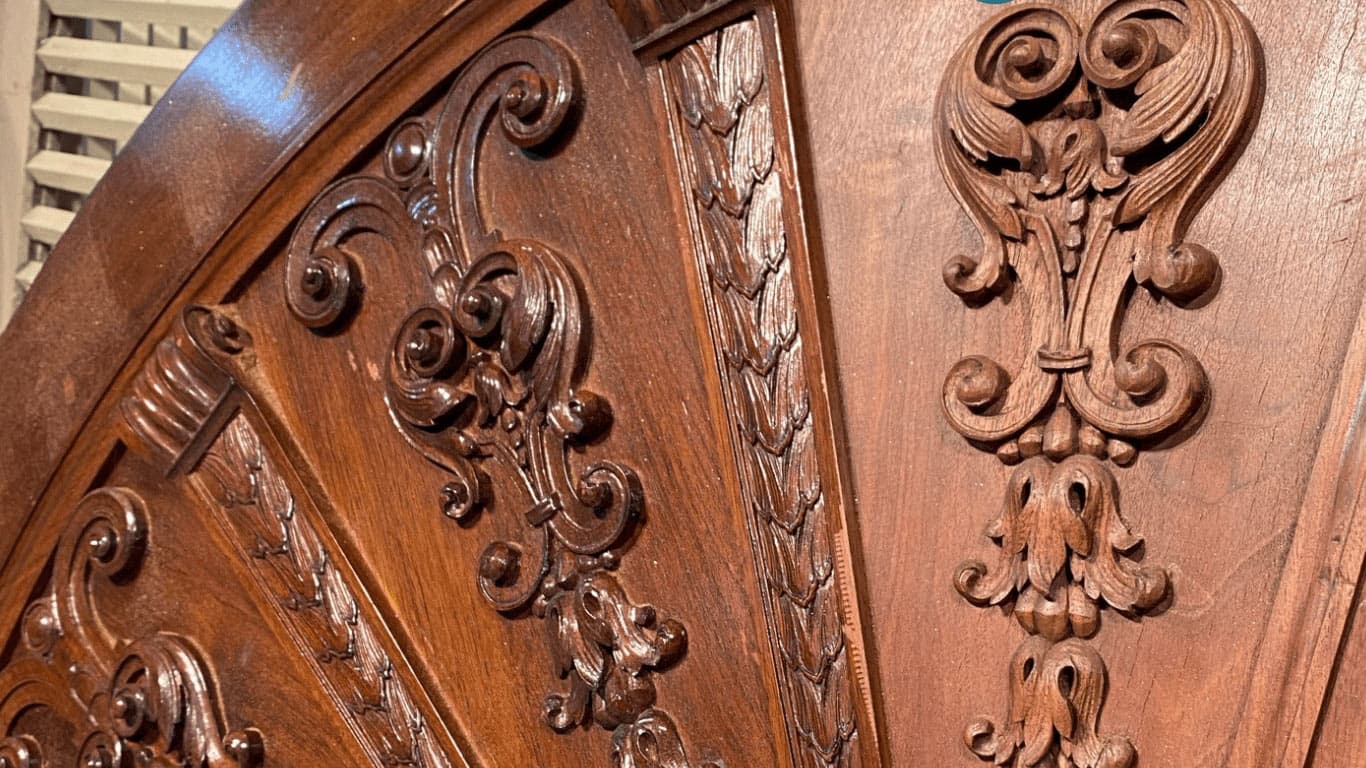
Landmark facade work requires a hidden test patch before pulsed laser cleaning touches any visible elevation. The pass removes soot, pollution crust, and graffiti from [brick](/materials/brick-laser-cleaning) and [limestone](/materials/limestone-laser-cleaning) without the abrasive contact that rounds tooling marks, and it suits [historic masonry](/applications/historic-masonry-restoration-laser-cleaning) jobs that have to stay the gentlest means that still meets the cleaning goal. It will not replace repointing, structural repair, or treatment for deep-rooted growth, and it will not strip [lead paint](/applications/lead-paint-laser-removal-bay-area) from ornamental iron in one pass without a separate low-energy setting and a capture plan. Wet, crumbling, or gilded surfaces stay off the schedule until a conservator says the fabric can take the work.
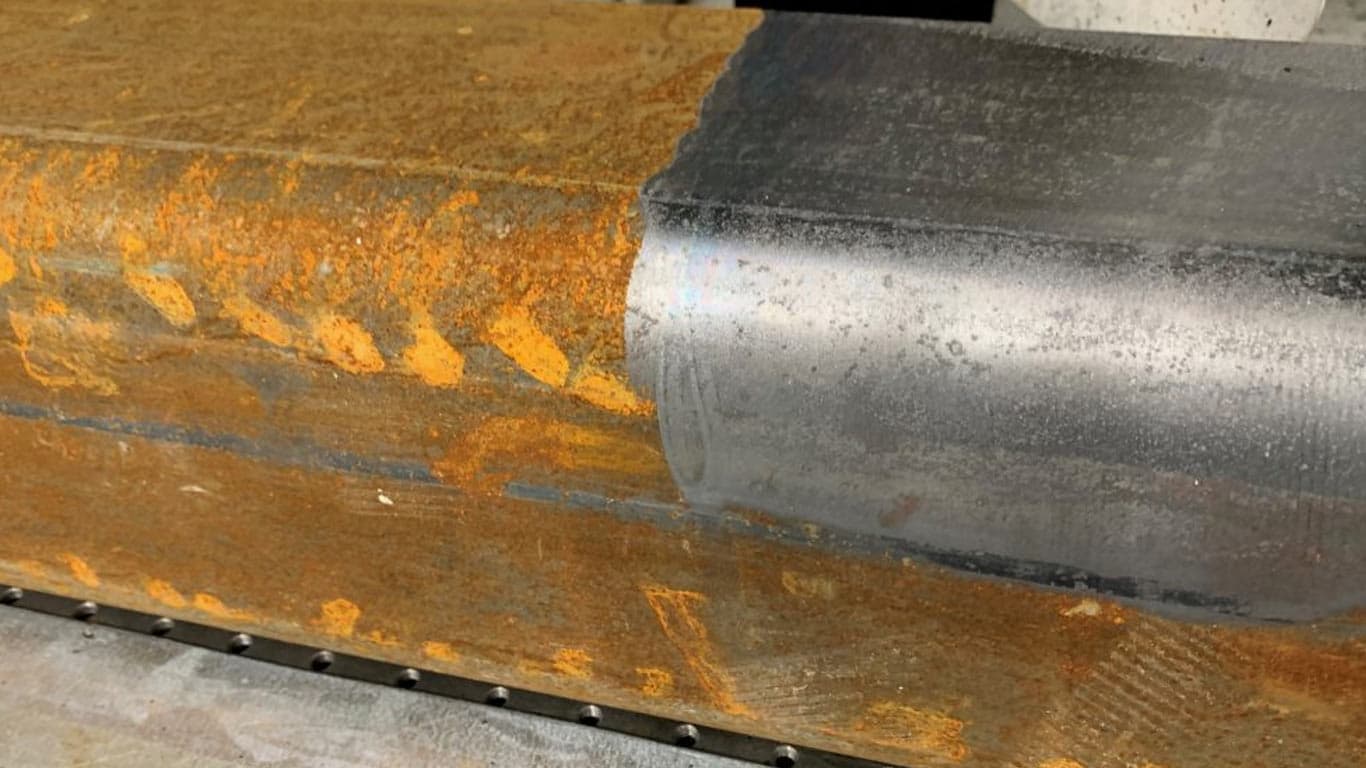
Laser cleaning removes field [rust](/contaminants/iron-oxide-rust-laser-cleaning) from sound [steel](/materials/steel-laser-cleaning) on Bay Area yards, docks, and marine sites when the oxide sits on intact metal. It does not productively clear intact mill scale, which still needs mechanical abrasion. Deep pits are missing metal, not a film a beam can restore. Oxide hidden under lagging needs access before cleaning can reach it. Coating specifications that call for a blast profile still require blasting after oxide removal. When old coatings sit under the oxide, [paint removal](/applications/laser-paint-coating-removal-bay-area) is a different pass. In marine air, lockout, dust capture, and same-shift priming matter because bare steel reoxidizes fast near the bay.
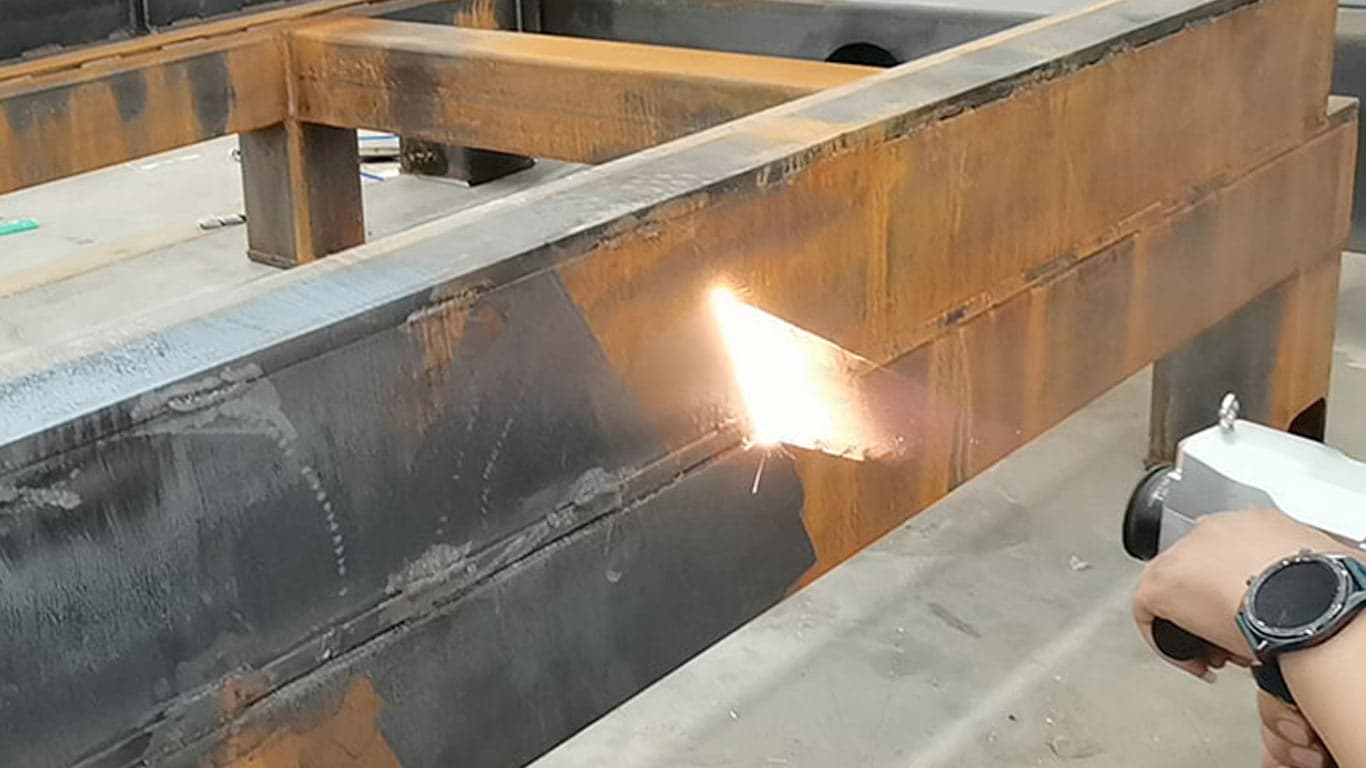
Laser cleaning removes mill scale, oxide layers, and weld residue from fabricated metal parts without abrasive media or chemical strippers. Shops handling [steel](/materials/steel-laser-cleaning), [aluminum](/materials/aluminum-laser-cleaning), and [stainless steel](/materials/stainless-steel-laser-cleaning) stock use the process ahead of [weld prep](/applications/weld-prep-laser-cleaning-applications) to strip [mill scale](/contaminants/mill-scale-magnetite-laser-cleaning) and [oxide scale](/contaminants/oxide-scale-laser-cleaning) before joints go together. The method suits selective cleaning on formed parts, brackets, and structural members where masking or dust containment would slow a chemical line. It does not replace bulk shot blasting on large flat stock, and it does not strip thick paint or coatings in one pass the way a grinder does. Fabricators pair laser cleaning with existing surface prep steps rather than swapping out an entire finishing line.
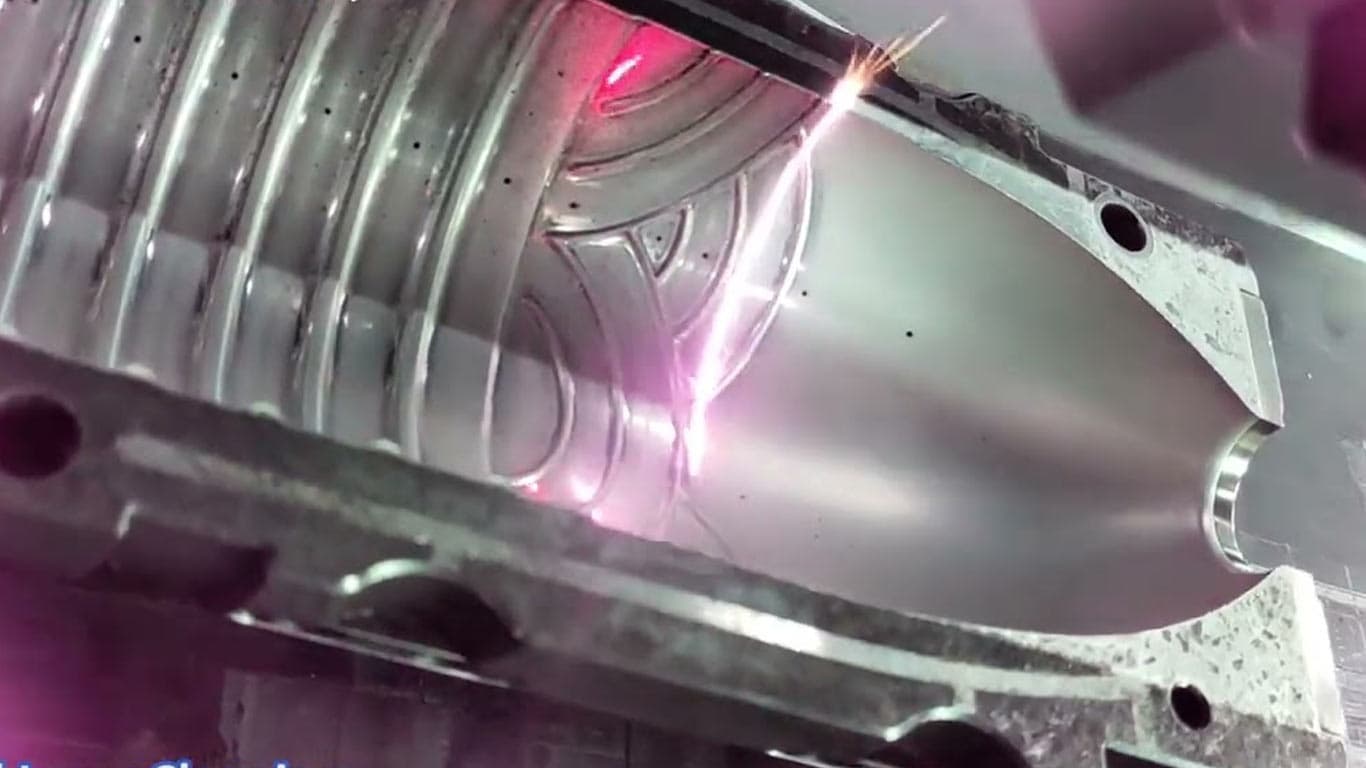
Precision surface work requires contact-free cleaning because gauge faces, optical flats, and polished tooling scratch under abrasive pads or chemical baths. Pulsed fiber sources remove fingerprint films, particulates, and thin oxide from these finishes without touching the substrate, but a continuous-wave fiber laser is not treated as a safe default here until a peer-reviewed study backs that claim. Semiconductor wafer chambers keep their own class-rated rules on [semiconductor cleanroom tooling laser cleaning](/applications/semiconductor-cleanroom-tooling-laser-cleaning), and release-layer mold work belongs on [mold and die laser cleaning](/applications/mold-die-laser-cleaning-applications) rather than here. Titanium implants and [stainless steel](/materials/stainless-steel-laser-cleaning) precision parts each need a shop-tested cleaning limit, since no single particulate count works across every polished substrate.